Letter Argues Consumer Spending, Not Debt Levels Alone, Key to UK Economic Recovery
A reader responding to Neil Kinnock's earlier letter says Britain's economic troubles stem more from policy direction than absolute debt levels, and calls for focus on household spending power.
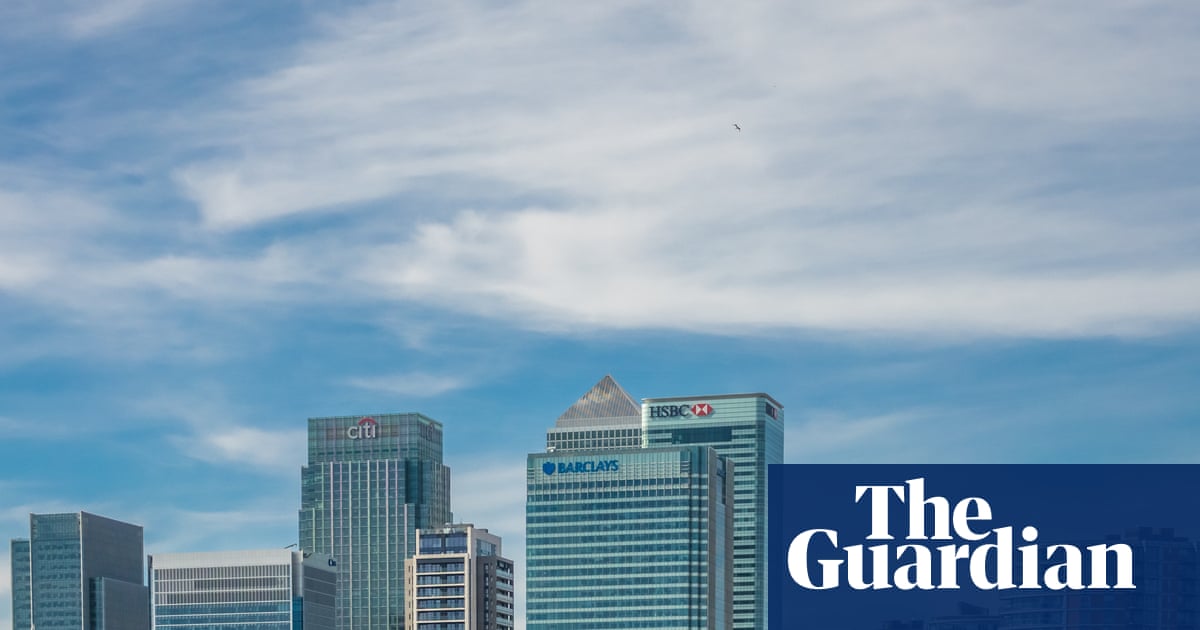
A letter published in The Guardian's Business section on September 17 addresses ongoing debate over Britain's economic pressures, including high gilt yields and borrowing costs. The letter, written by David Redshaw, responds to a previous letter by Neil Kinnock published September 9.
According to the letter, Britain is not alone in facing elevated government bond yields and borrowing costs. Redshaw states that the country's national debt level is similar to that of the United States and considerably lower than Japan's, while noting that Italy consistently maintains debt levels around 100% of GDP without similar attention.
The letter argues that, as Kinnock had observed, policies pursued by successive Conservative governments, including Brexit, have contributed to worsening economic conditions. Redshaw contends that the core issue is not the absolute level of debt but rather the country's economic trajectory, suggesting this direction could cause bond markets to view Britain less favorably.
The letter also references a September 10 report on JP Morgan chief executive Jamie Dimon meeting with UK officials Andy Burnham and Rachel Reeves (referred to in the source as Healey) to caution against increases to bank taxation. Redshaw's letter questions Dimon's warnings about potential reduced bank investment, expressing skepticism about the current state of business investment in the UK.
The letter concludes by suggesting that Britain's economic character has shifted, with Redshaw characterizing the current economy through a comparison to retail and food delivery services rather than traditional shopkeeping, a reference to Napoleon's historical description of Britain as "a nation of shopkeepers."
The letter forms part of an ongoing exchange of reader correspondence in The Guardian regarding UK fiscal policy, bond market pressures, and the broader economic recovery debate.
Sources
- Money in people’s pockets is the key to economic recovery | Letter — The Guardian — Business
EGazette summarizes reporting from multiple sources; follow the links for the originals.
Related articles
Report Highlights Regional Gap in Job Opportunities for Young People in Britain
An index from the Institute for Public Policy Research finds young jobseekers in deprived British towns face far fewer vacancies than those in affluent areas, according to a Guardian editorial.

Ratcliffe Says UK Is 'On the Slide,' Cites Taxes and Immigration
The Manchester United co-owner and Ineos founder, who has lived in Monaco since 2020, blamed Britain's decline on high taxation and immigration policy.

Ineos Founder Sir Jim Ratcliffe Says He Has Lost Confidence in UK, Calls for North Sea Investment
The billionaire chemicals magnate and Manchester United co-owner told the BBC he believes Britain is "on the slide" and urged greater investment in North Sea oil and gas.

US Recalls Over a Billion Products in Six Months
A surge in product safety issues prompted widespread recalls across multiple industries in a half-year period.

US National Debt Passes $40 Trillion as Era of Cheap Borrowing Ends, Report Says
A new report from Deutsche Welle examines whether investors will keep financing Washington's deficits as government debt levels reach unprecedented heights.

Stock Futures Edge Higher After Dow's Third Straight Losing Week
Wall Street looks to steady itself after a mixed week for major indexes, according to CNBC.
Comments
Loading comments…