Aviation Fuel: Why France Doesn't Tax It
The Monde podcast "Chaleur humaine" explores the legal and international reasons behind the absence of aviation fuel taxation in France
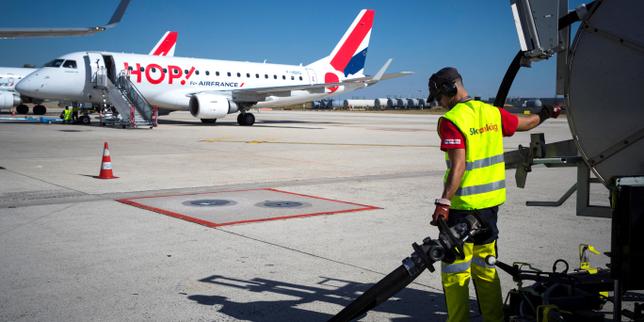
In its weekly question-and-answer format on climate transition, the team behind the podcast "Chaleur humaine," published by Le Monde, tackled a recurring question: why is kerosene used by aircraft not subject to taxation in France, unlike gasoline or diesel used for road vehicles.
According to Le Monde, this exemption originates from an old international legal framework. The Chicago Convention, signed in 1944 and governing global civil aviation, provides an exemption from taxation on fuel used for international flights. This foundational text of modern air transport was supplemented by numerous bilateral agreements between states, which repeat the same exemption principle.
The newspaper also notes that European law governs this issue. The European energy taxation directive provides an exemption for international flight fuel, making unilateral taxation by a single country difficult without risking disadvantaging its airlines against foreign competition.
This complex legal architecture, built over decades, explains why taxing kerosene would require, according to explanations reported by Le Monde, international or at least European coordination, rather than an isolated decision by France.
The issue is part of a broader debate on the aviation sector's contribution to combating climate change, as greenhouse gas emissions linked to air transport continue to raise questions about the fiscal tools available to reduce them.
Sources
- Pourquoi le kérosène des avions n’est-il pas taxé en France ? — Le Monde — Une
EGazette summarizes reporting from multiple sources; follow the links for the originals.
Related articles
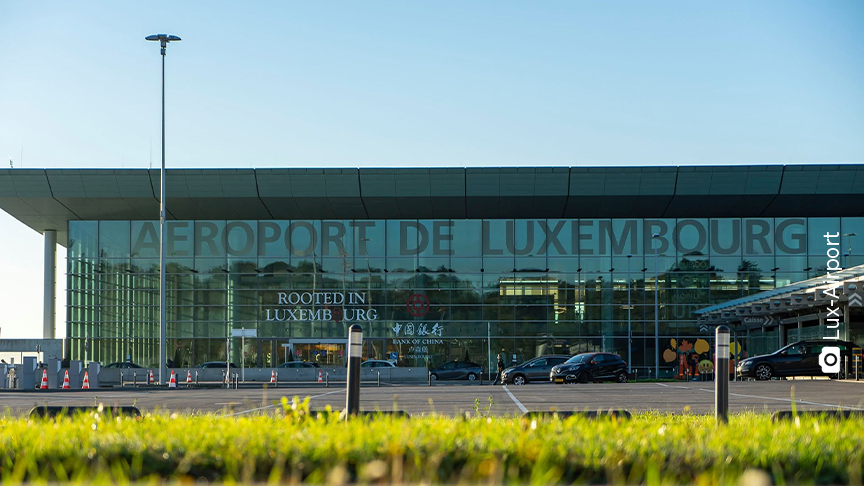
Flights Suspended at Luxembourg Airport Over Drone Activity
Airport operations were halted after drone sightings prompted a temporary suspension of arrivals and departures, according to flight-tracking service Flightradar24.
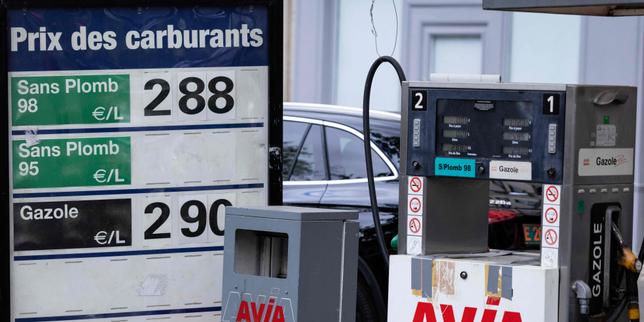
Fuel Prices: Government and Opposition Clash Over Solutions to Rising Costs
As the government extends targeted aid measures, the opposition and several presidential candidates are calling for more ambitious policies, risking significant impacts on public finances and climate goals, according to Le Monde.
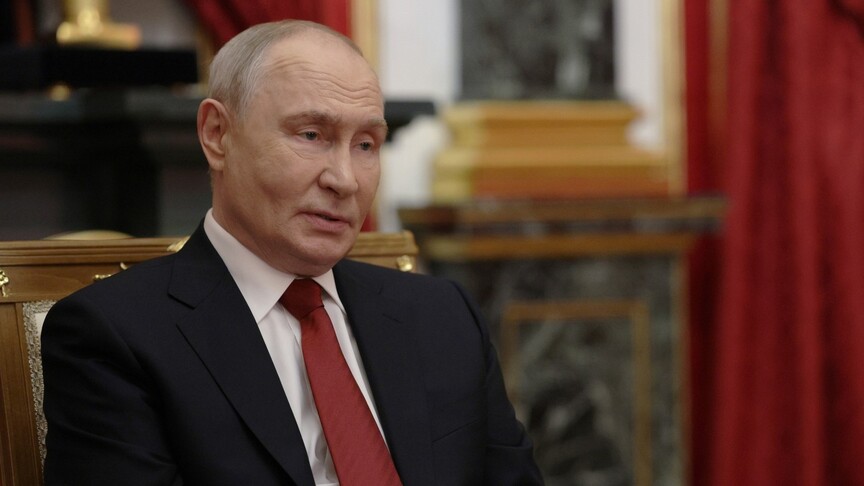
Putin Says Russia Must Expand and Modernize Aircraft Fleet, Airport Infrastructure
Russian president hails deal to supply 90 MC-21 aircraft to flag carrier Aeroflot as a major step for the domestic aviation industry

Ryanair Boss Apologises Over 'High-Fare Rapists' Remarks
Michael O'Leary says his choice of words was "careless" and pledges it will not happen again, according to the BBC.

Putin Says MS-21 Jet Deal With Aeroflot Marks Step for Russian Aviation
Russian President Vladimir Putin commented on airport modernization efforts and a new contract to supply MS-21-310 passenger jets to national carrier Aeroflot, according to TASS.
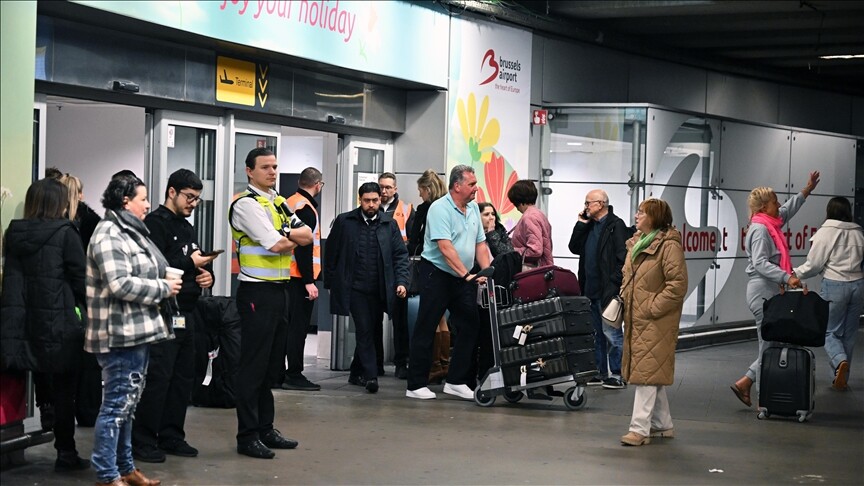
Belgium's Charleroi Airport cancels nearly 50 flights as air traffic controllers strike
The strike over night shift premiums has disrupted operations at one of Belgium's major airports.
Comments
Loading comments…