JPMorgan Says It Can No Longer Predict End of Iran War as Trump Ignores Economic Red Lines
Bank's oil analysts abandon earlier forecasts after President Trump repeatedly exceeded thresholds they expected would force a resolution over the Strait of Hormuz
JPMorgan's oil and gas research team has stopped trying to forecast when the war involving Iran will end, according to a report from CNBC citing the bank's analysts. The team said it had previously assumed that certain economic pressure points would compel President Donald Trump to negotiate an agreement to keep the Strait of Hormuz open, but those assumptions have not held.
According to the CNBC report, JPMorgan's analysts identified several "redlines" at the outset of the conflict — economic thresholds they believed would be significant enough to push the Trump administration toward brokering a resolution that would ensure continued oil flows through the strait. The report states that Trump has since surpassed those thresholds without such an agreement materializing.
The Strait of Hormuz is a critical corridor for global oil shipments, and any disruption to traffic through the waterway has long been viewed by energy markets as a major risk factor for global oil supply and pricing.
The bank's decision to abandon its forecasting effort, as described in the CNBC report, reflects the difficulty analysts have faced in predicting the trajectory of the conflict and the U.S. response to it. CNBC did not specify in the excerpt reviewed what alternative approach, if any, JPMorgan's team plans to take going forward.
Further details on the specific economic redlines referenced, the current state of the war, and the administration's stated position were not included in the available excerpt of the report.
Sources
- JPMorgan oil team gives up on forecasting Iran war endgame as Trump blows past economic redlines — CNBC — Top News
EGazette summarizes reporting from multiple sources; follow the links for the originals.
Related articles
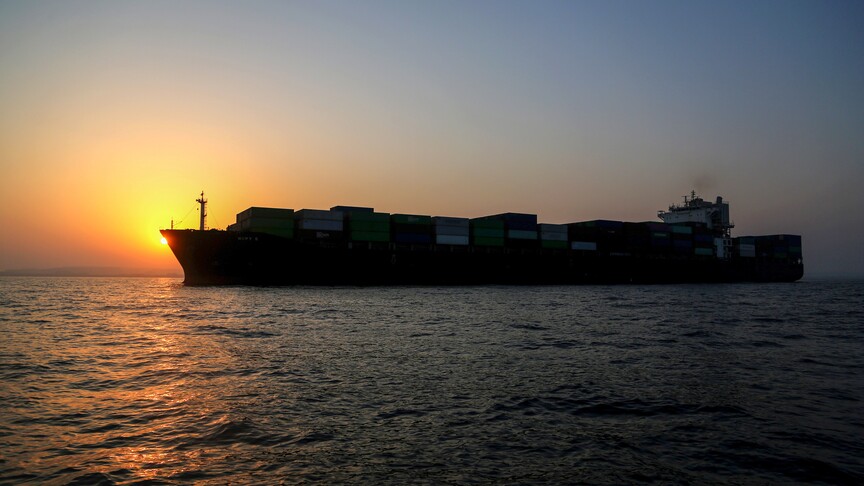
Iran Says Strait of Hormuz Will Stay Closed Until US Meets Its Conditions
Parliament speaker says Tehran has relayed its demands to Washington through intermediaries and will not reopen the strategic waterway until they are satisfied
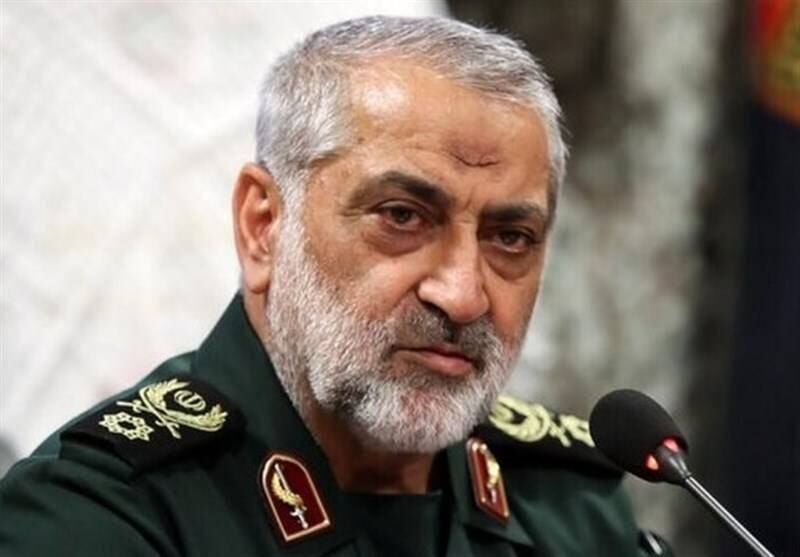
Iranian General Says Tehran Retains "Initiative" in Strait of Hormuz, Rejecting US Claims
Armed Forces spokesperson Brigadier General Abolfazl Shekarchi dismissed recent American statements about the strategic waterway, according to Iran's IRNA news agency.
Iran, Tajikistan Share Common Economic Interests, Says Commercial Attaché
Iran’s commercial attaché in Dushanbe says deepening trade ties would secure mutual economic interests between Tehran and Tajikistan.
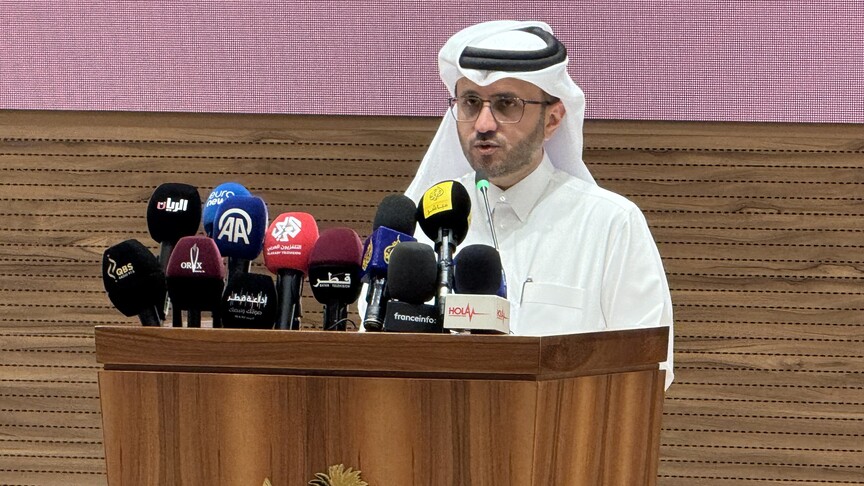
Qatar Says It Is Mediating to Revive US-Iran Talks
Qatari officials say mediators are shuttling between capitals in an effort to restart stalled negotiations between Washington and Tehran
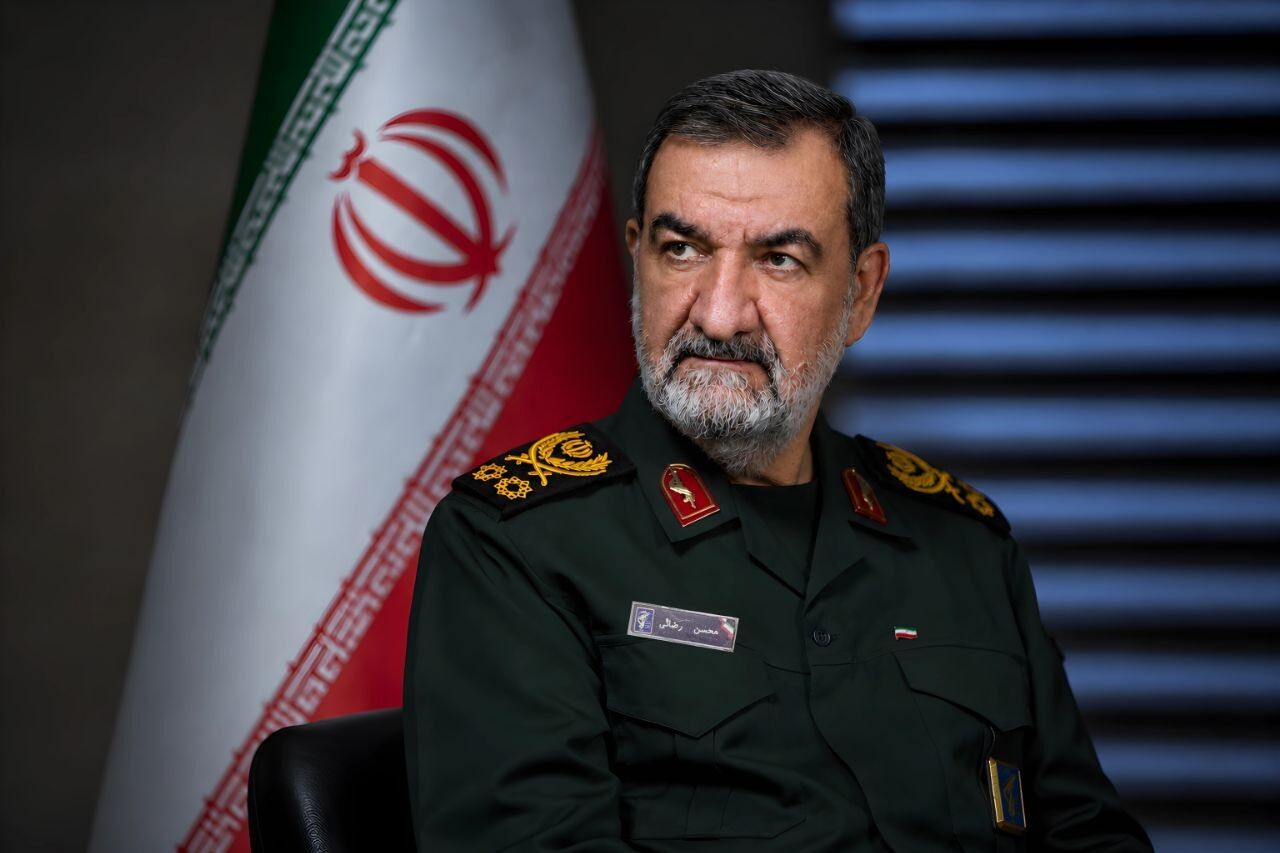
Iran Security Official Says Country Ready to Respond If US Resumes Military Action
Mohsen Rezaei, secretary of Iran's Supreme National Security Council, said Tehran is prepared to defend itself and respond forcefully to any renewed US military aggression, according to IRNA.
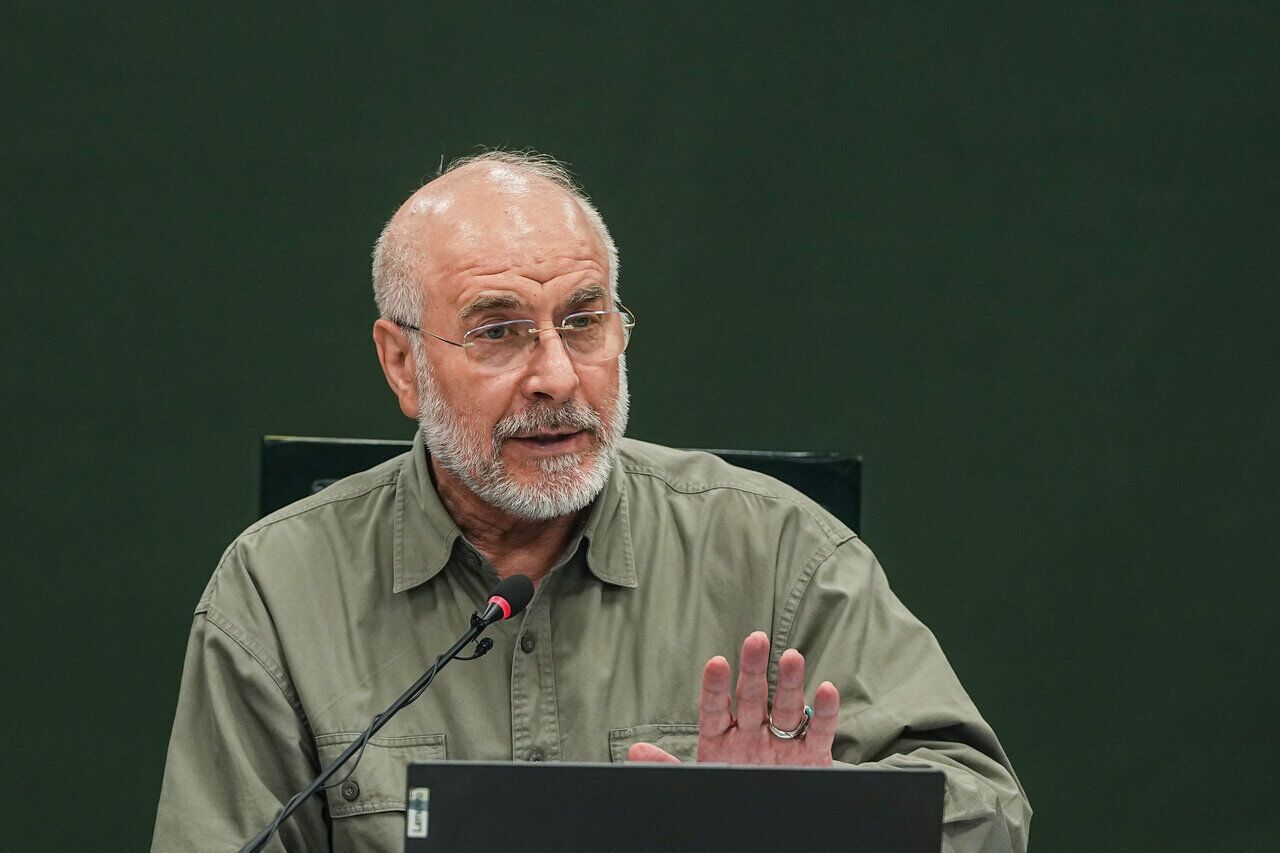
Iran's Parliament Speaker Says Sacred Defense Week Reflects Tested Experience in Defending National Dignity
Mohammad Bagher Ghalibaf described the annual commemoration as more than a historical recollection, according to Iranian state news agency IRNA.
Comments
Loading comments…