Japan's Markets Defy Typical Rate-Hike Playbook After BOJ Move
Yen weakens, bond yields fall and stocks rise following a Bank of Japan rate increase, an unusual combination that has drawn attention from analysts.
Japanese financial markets moved in an atypical pattern following a Bank of Japan interest rate hike, according to a CNBC report published Thursday. The yen weakened past 157 against the U.S. dollar, the yield on the 10-year Japanese Government Bond declined, and the Nikkei 225 stock index gained 1.5%.
The report noted that this combination of market reactions runs counter to the conventional pattern typically seen after a central bank raises interest rates. In standard market behavior, a rate hike is generally expected to strengthen a country's currency by making its assets more attractive to yield-seeking investors, while also pushing government bond yields higher as new debt is priced to reflect elevated borrowing costs. Equity markets, meanwhile, often face pressure from higher rates because increased borrowing costs can weigh on corporate profits and valuations.
Instead, according to the CNBC report, Japan's currency depreciated, its benchmark bond yield eased, and its stock market advanced in the aftermath of the central bank's decision.
CNBC did not specify the size of the rate increase or provide additional detail on the Bank of Japan's policy statement in the excerpt reviewed. The report characterized the divergence from the usual market script as notable enough to warrant explanation, though the full analysis of the underlying causes was not included in the available material.
Market participants and analysts often look to a range of factors — including investor positioning ahead of a widely anticipated move, expectations about future policy guidance, and broader global market conditions — to explain deviations from textbook responses to central bank actions. The CNBC report did not attribute the specific drivers behind Japan's market reaction to any named analyst or official in the excerpt available.
Sources
EGazette summarizes reporting from multiple sources; follow the links for the originals.
Related articles
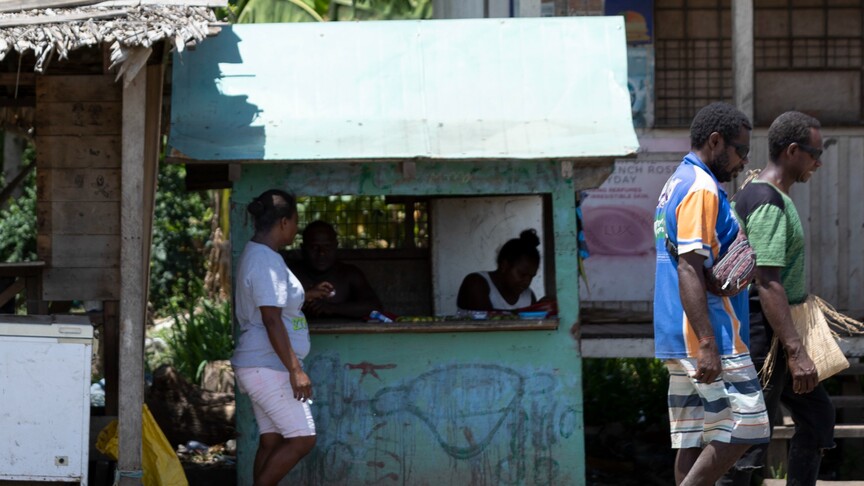
Japan Pledges Support to Help Solomon Islands Hold Fair Elections
Tokyo's assistance is being viewed as part of broader efforts to deepen ties with Pacific island nations amid growing Chinese influence in the region, according to Anadolu Agency.

Ukraine's Defense Intelligence displays North Korean missile components to Japanese parliamentary delegation
Ukrainian defense officials showed ballistic missile parts to Japan's House Speaker during a visit to Kyiv.

Japan Faces Accommodation Strain as 20th Asian Games Begin
Organisers reported pressure on lodging and logistics after more athletes and officials registered than initially anticipated, according to a France 24 report.

Japan Records Over 100,000 Centenarians as Population Ages
A report by Al Jazeera says Japan has reached a record number of people aged 100 or older, as declining births and labour shortages strain the country's social care system.

Opening Ceremony Held for Aichi-Nagoya 2026 Asian Games, Mehr News Reports
Iran's Mehr News Agency reported that the opening ceremony for the Aichi-Nagoya 2026 Asian Games took place in Japan on Saturday.

Opening Ceremony Held for 20th Asian Games in Aichi–Nagoya, Japan
The Asian Games' opening ceremony took place at Mizuho Park Stadium in central Japan, according to a report by Iran's IRNA news agency.
Comments
Loading comments…