Japan's fermented soybean dish natto gains global following as new 'superfood'
Once a divisive breakfast staple in Japan, the sticky, pungent fermented beans are appearing in health food shops worldwide, according to a report by The Guardian
Natto, a traditional Japanese dish made from fermented soybeans, is increasingly being marketed as a global "superfood," appearing on shelves in health food shops around the world, The Guardian reported.
The dish, described in the report as smelly and slimy, is composed of soybeans bound together by sticky, mucus-like strands produced during fermentation. According to the report, the food also contains live bacteria as part of its fermentation process.
Despite its reputation as an acquired taste — the report notes that a "sizeable number of Japanese wouldn't touch it" — natto has long been a breakfast staple for many in Japan. The Guardian reported that the dish is now being positioned internationally alongside other fermented foods that have gained popularity in recent years, such as kimchi, kombucha and kefir.
The exact origins of natto remain uncertain, according to the report. Some accounts suggest it was brought to Japan from China by Buddhist monks during the Yayoi period, spanning roughly 300BC to AD300. The dish is said to have later become a staple food among rural communities during the Edo period, which lasted from 1603 to 1868.
The Guardian's report frames natto's growing international presence as part of a broader trend in which fermented and probiotic foods are increasingly sought after by health-conscious consumers outside their countries of origin.
Sources
- It’s a superfood but natto as we know it. Japan’s slimy fermented beans are coming your way — The Guardian — Business
EGazette summarizes reporting from multiple sources; follow the links for the originals.
Related articles
Japan Pledges Support to Help Solomon Islands Hold Fair Elections
Tokyo's assistance is being viewed as part of broader efforts to deepen ties with Pacific island nations amid growing Chinese influence in the region, according to Anadolu Agency.

Ukraine's Defense Intelligence displays North Korean missile components to Japanese parliamentary delegation
Ukrainian defense officials showed ballistic missile parts to Japan's House Speaker during a visit to Kyiv.

Japan Faces Accommodation Strain as 20th Asian Games Begin
Organisers reported pressure on lodging and logistics after more athletes and officials registered than initially anticipated, according to a France 24 report.
Opening Ceremony Held for Aichi-Nagoya 2026 Asian Games, Mehr News Reports
Iran's Mehr News Agency reported that the opening ceremony for the Aichi-Nagoya 2026 Asian Games took place in Japan on Saturday.
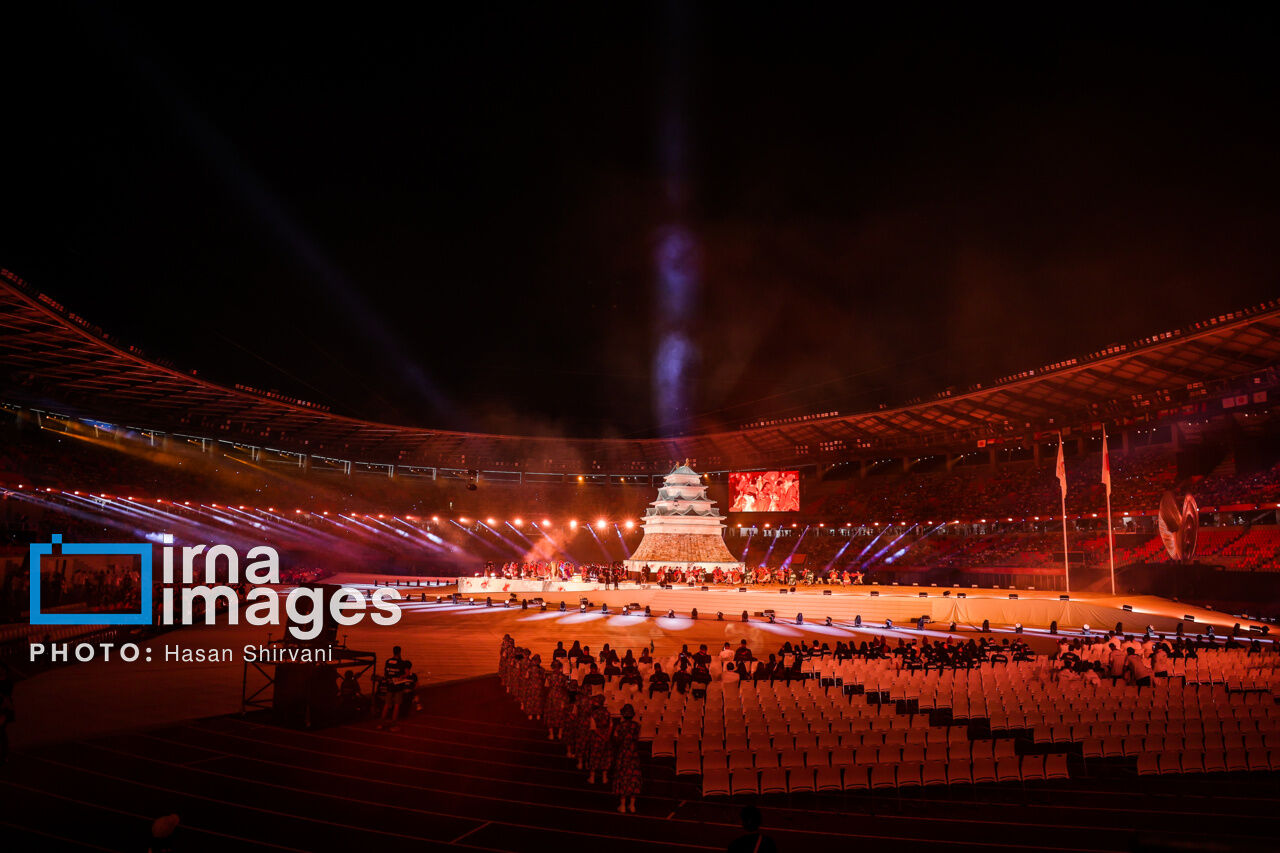
Opening Ceremony Held for 20th Asian Games in Aichi–Nagoya, Japan
The Asian Games' opening ceremony took place at Mizuho Park Stadium in central Japan, according to a report by Iran's IRNA news agency.
Aichi-Nagoya Asian Games Open in Japan
Japan hosts the Asian Games for the first time since 1994 as the Aichi-Nagoya edition kicks off with an opening ceremony.
Comments
Loading comments…