Is It Easy to Overlook the Lib Dems? Not If They Hold the Balance of Power
Ed Davey's low profile masks a strategy aimed at building a parliamentary 'firewall' against Reform UK, with high stakes if it fails.
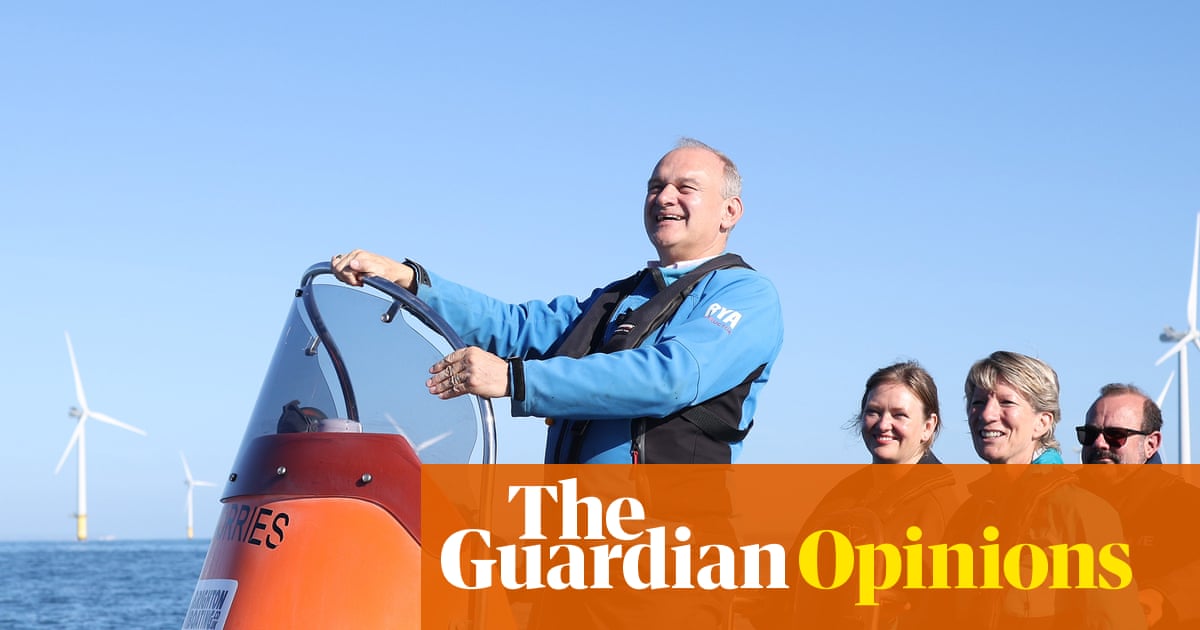
Britain's Liberal Democrats are often dismissed as an afterthought in national politics, but the party's low public profile may be masking a strategy with significant stakes for the country's political future, according to a Guardian opinion piece.
At the party's annual conference in Brighton, delegates have reportedly expressed concern about leader Ed Davey's relatively low profile, questioning whether a more prominent leader might help lift the party's standing in opinion polls. Davey has led the Liberal Democrats for six years, a tenure the piece describes as feeling lengthy within the fast-moving culture of British politics.
According to the commentary, Davey's underlying strategy is aimed at building what is described as a "firewall" of Liberal Democrat MPs intended to help prevent the right-wing populist party Reform UK from entering government. The stakes attached to that strategy are described as high, with significant political consequences if the approach fails to deliver the intended results.
The piece contrasts the Liberal Democrats' current position with the experience of other British parties that have undergone rapid change through a change in leadership, sometimes referred to as "renewal by decapitation." It cites Labour's shift in fortunes following Andy Burnham's rise to the premiership, and a polling surge for the Green Party after Zack Polanski was elected as its leader the previous year, as examples of how a change at the top can quickly reshape a party's trajectory.
However, the commentary argues that the lessons from those other parties' experiences may not translate easily to the Liberal Democrats' specific circumstances, suggesting that Davey's low-key approach, whatever its limitations in generating public attention, could still prove effective in achieving the party's core electoral objective of denying Reform UK a path into government.
The debate over Davey's leadership style comes as British politics continues to be reshaped by the rise of Reform UK, which has emerged as a significant electoral force competing for votes traditionally split between the country's more established parties.
Sources
- It’s easy to ignore the Lib Dems, but they could soon hold the balance of power | Rafael Behr — The Guardian — Politics
EGazette summarizes reporting from multiple sources; follow the links for the originals.
Comments
Loading comments…
Related articles
Analysis: Andy Burnham's Speech Blends Political Ambition With Personal Grief, Writes BBC's Chris Mason
BBC political editor Chris Mason says Andy Burnham's address combined the tone of a new prime minister with the personal weight of a son mourning a parent.
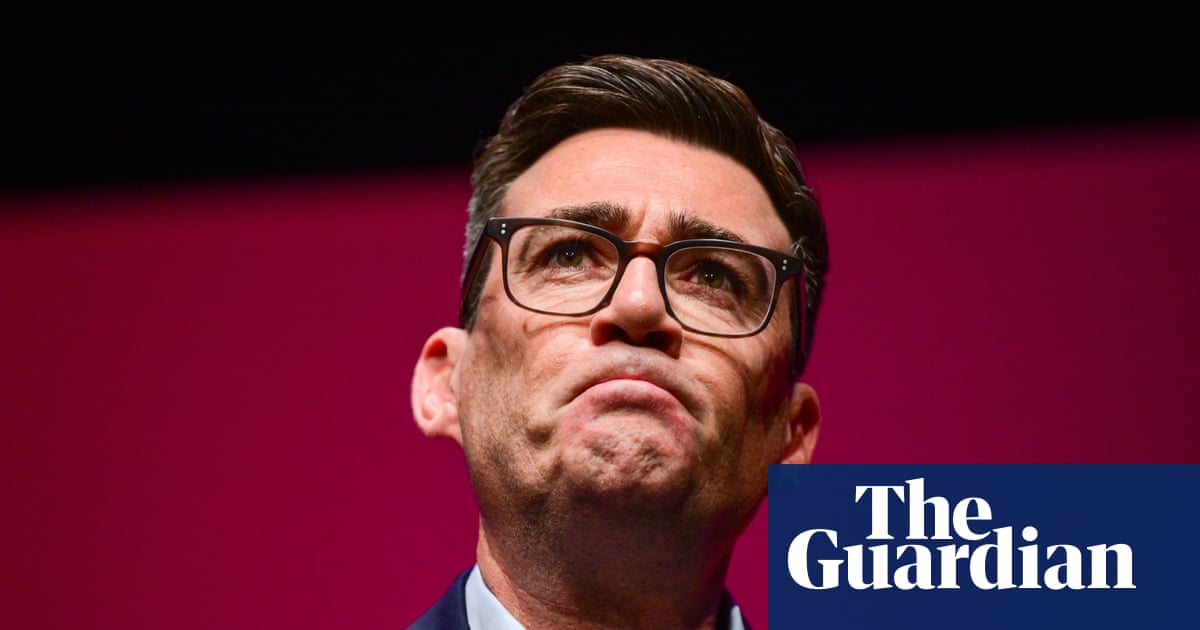
Burnham stakes his future on care, electoral reform and Europe in Labour conference speech
The prime minister said his plan — including ending the pensions triple lock to fund a national care service — will 'allow us to rise again.'
Andy Burnham's National Care Service Plan: What We Know So Far
The prime minister used his Labour conference speech to outline a broad timetable for overhauling adult social care, though funding details remain unresolved.
Politics Weekly: Andy Burnham's Triple Lock and Social Care Gamble
In an emotional conference speech, the prime minister laid out policies on the pensions triple lock, social care and electoral reform, raising questions about how he will fund them.
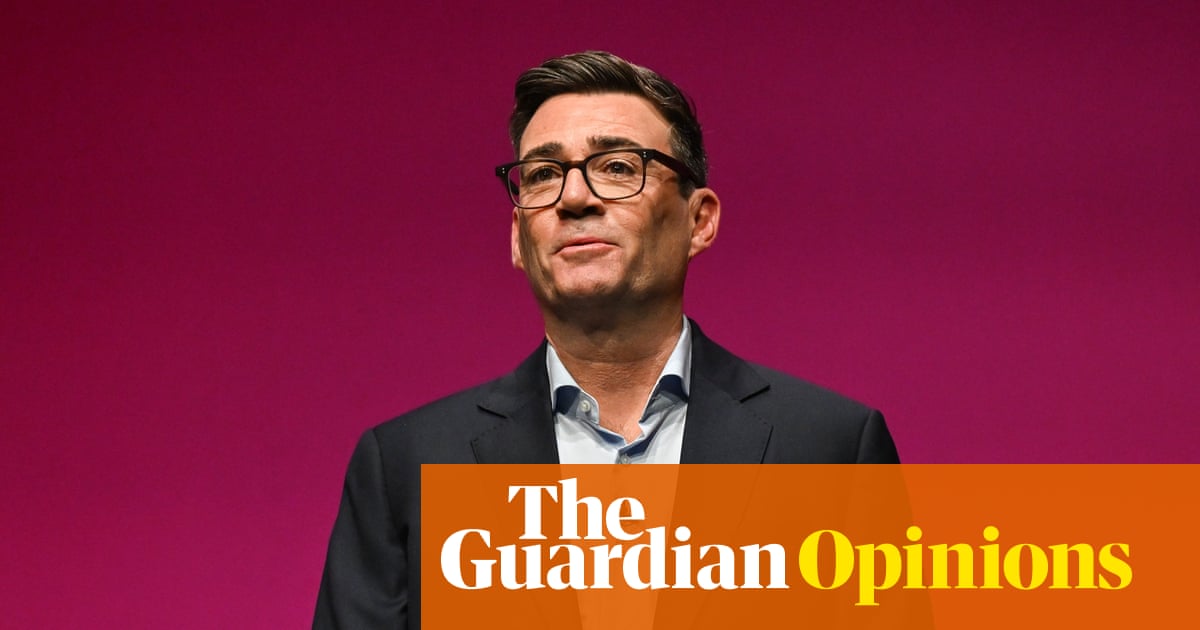
The Guardian's editorial: 'grounds to hope for a better Britain' under Andy Burnham
The newspaper's editorial board argues that Burnham's first conference speech as prime minister made a serious case for rebuilding public services rather than shrinking the state.
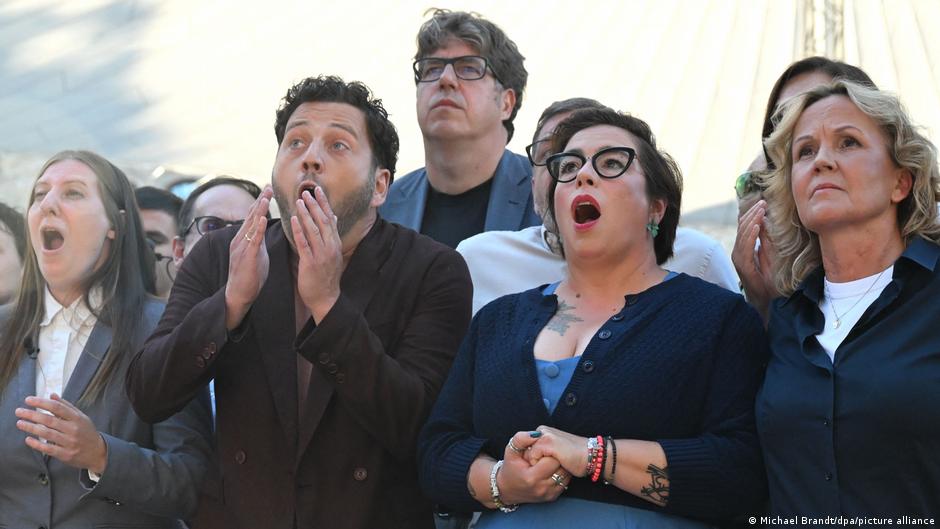
German Greens Party Regains Some Electoral Momentum After Months of Decline
After a period of anxiety and falling popularity, the party recorded unexpected electoral results amid growing political challenges.