Iran: New York Times investigation points to hardline generals' role in failed talks with Washington
According to a New York Times investigation reported by France 24, the resumption of hostilities between Iran and the United States was fueled by internal power struggles in Tehran, between dialogue advocates and Washington opponents.

A New York Times investigation, cited by France 24, sheds light on internal tensions within Iran's leadership that may have contributed to the resumption of conflict between Iran and the United States. According to the investigation, the Islamic Republic is torn by power struggles between proponents of renewed dialogue with Washington and generals described as "hardliners," whose political influence has grown in recent months.
According to France 24, these internal rivalries played a role in the failure of negotiations that had previously seemed underway between Tehran and Washington, before hostilities resumed. The article notably mentions a climate of growing mistrust between different factions of the Iranian regime, with some favoring a hardline stance toward the United States.
The Strait of Hormuz, mentioned in the title of the original publication, is also cited as a strategic point of tension in this context of renewed conflict, though further details are not provided in the available excerpt.
France 24 emphasizes that this New York Times investigation provides insight into the internal power dynamics of the Islamic Republic, as relations between Tehran and Washington remain marked by considerable uncertainty.
No official response from Iranian or American authorities is mentioned in the information available at this time.
Sources
- Iran : des généraux ultraconservateurs ont-ils saboté l'accord de paix avec Washington ? — France 24 — Français
EGazette summarizes reporting from multiple sources; follow the links for the originals.
Related articles
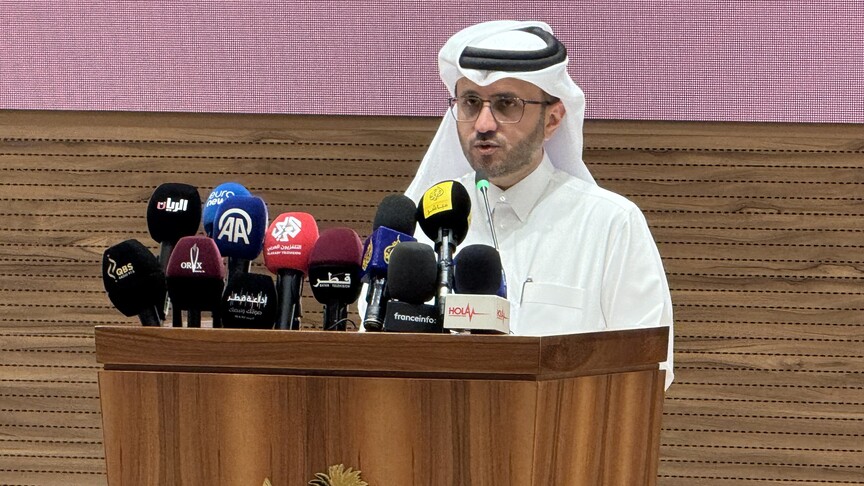
Qatar Says It Is Mediating to Revive US-Iran Talks
Qatari officials say mediators are shuttling between capitals in an effort to restart stalled negotiations between Washington and Tehran
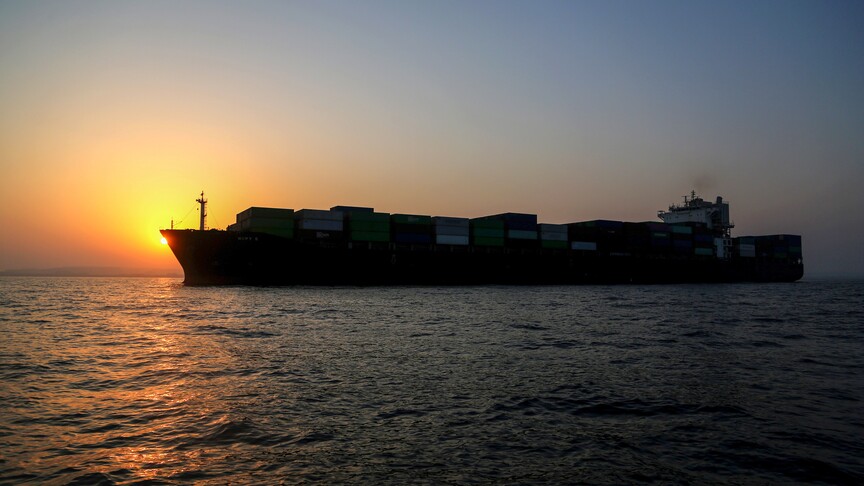
Iran Says Strait of Hormuz Will Stay Closed Until US Meets Its Conditions
Parliament speaker says Tehran has relayed its demands to Washington through intermediaries and will not reopen the strategic waterway until they are satisfied
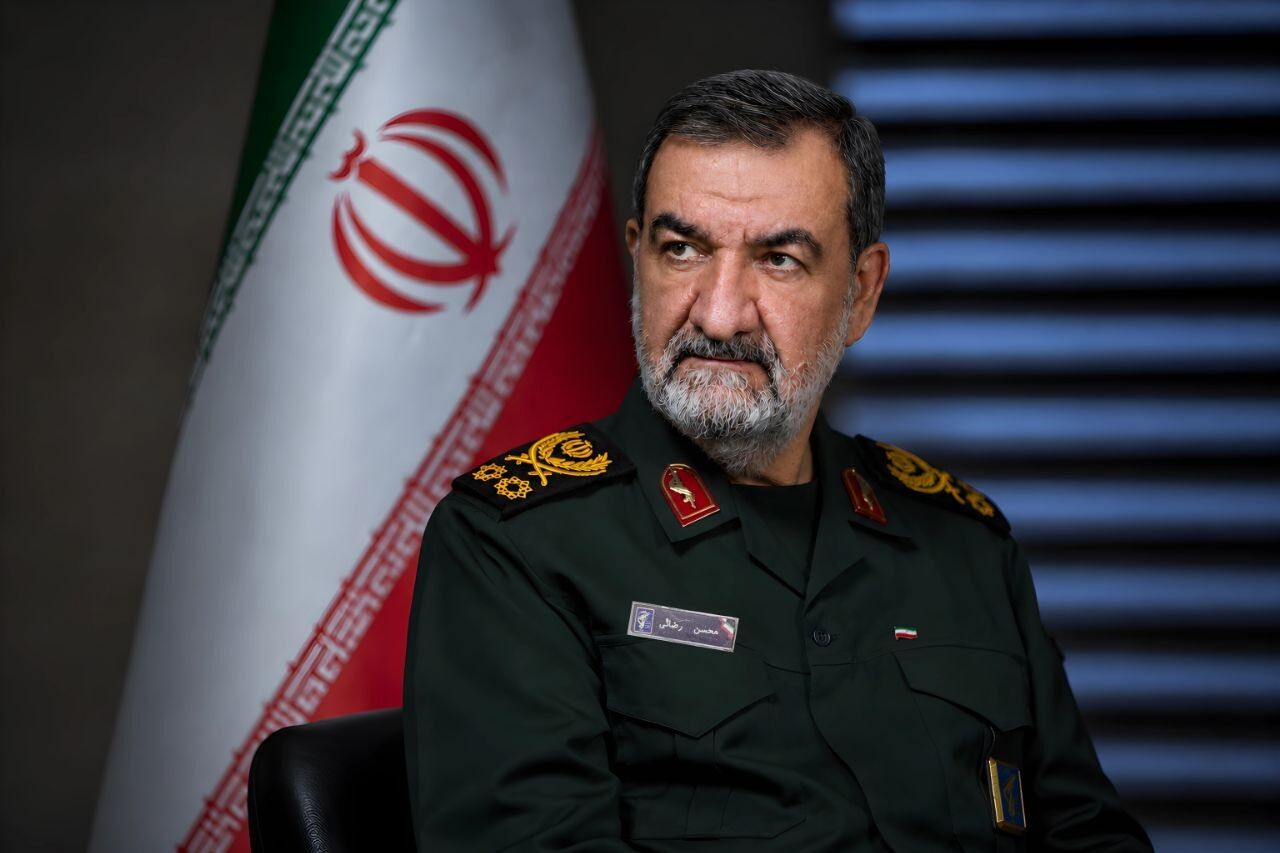
Iran Security Official Says Country Ready to Respond If US Resumes Military Action
Mohsen Rezaei, secretary of Iran's Supreme National Security Council, said Tehran is prepared to defend itself and respond forcefully to any renewed US military aggression, according to IRNA.

Houthis Emerge as Key Player in Iran's Regional Network, Analysts Say
Following battlefield gains in Yemen, the Houthi movement is being described as increasingly central to Iran's so-called "axis of resistance," a role once dominated by Lebanon's Hezbollah.
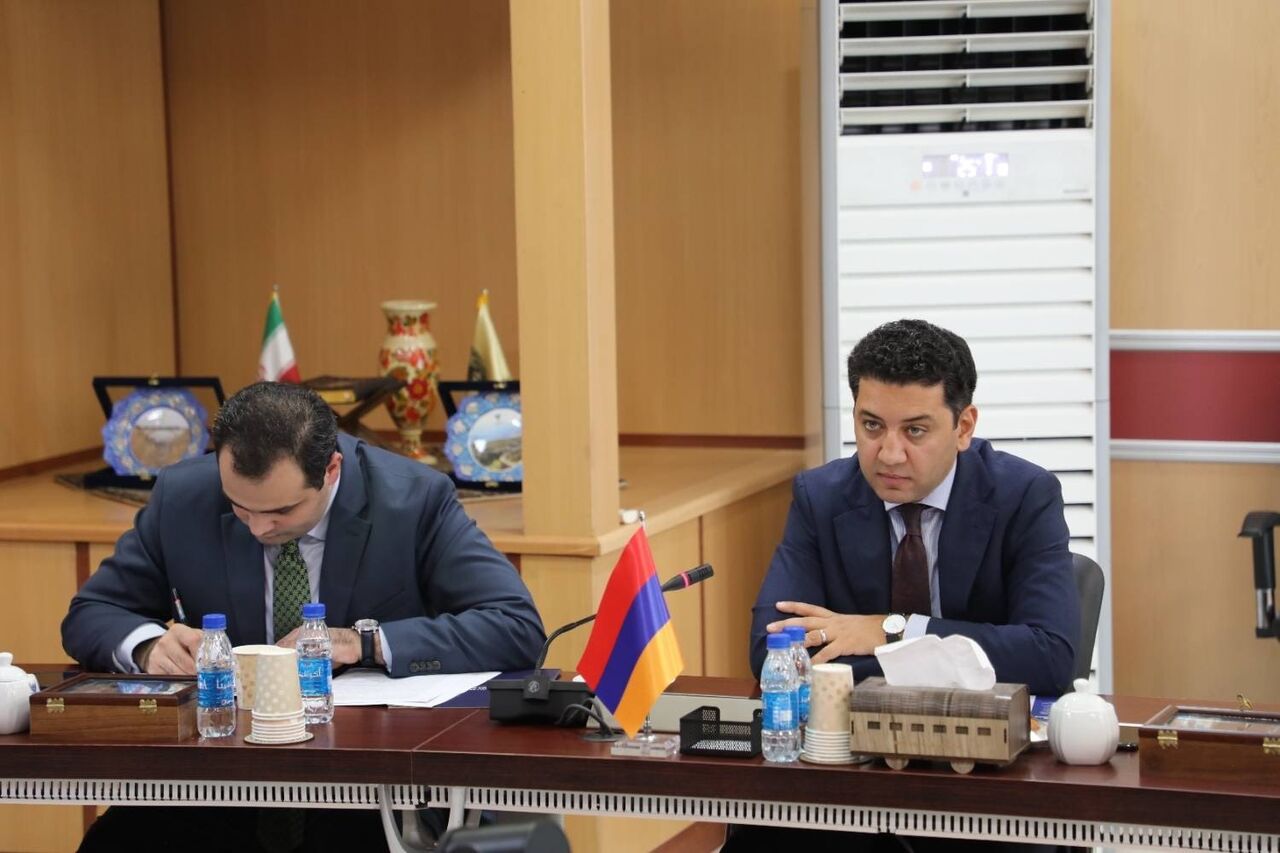
Armenian Ambassador Calls for Expanded Iran-Armenia Rail and Trade Links
Grigor Hakobyan says connecting the two countries’ railway networks would give Armenia access to southern seas and diversify Iran’s trade routes to Europe
Iran's Parliament Speaker Says Sacred Defense Week Reflects Tested Experience in Defending National Dignity
Mohammad Bagher Ghalibaf described the annual commemoration as more than a historical recollection, according to Iranian state news agency IRNA.
Comments
Loading comments…