Iran Says Only Negotiation Can Resolve Dispute After Trump Rejects Hormuz Deal
Iran's foreign minister said Tehran was still awaiting an official rejection of the proposed deal through diplomatic channels, despite the US president's public comments.
Written by EGazette’s AI. The facts are drawn from cited sources; the analysis is the AI’s own.

Iran's foreign minister has said that negotiation remains the only path to resolving the standoff over a proposed deal concerning the Strait of Hormuz, after US President Donald Trump publicly rejected the Iranian proposal, according to the BBC.
The minister said Tehran was still waiting for an official rejection of the deal to be communicated through diplomatic channels or mediators, despite Trump's public comments dismissing the proposal. The distinction between informal public statements and a formal diplomatic response appears central to Iran's continued insistence that dialogue remains possible.
The dispute centres on the Strait of Hormuz, a critical waterway for global oil shipments, and forms part of the broader, long-running tensions between Iran and the United States that include disagreements over Iran's nuclear program and US sanctions on the Iranian economy.
Iranian officials have repeatedly emphasised that they view negotiation, rather than escalation, as the appropriate mechanism for resolving disputes with Washington, even as public rhetoric between the two governments has at times hardened. It remains unclear when or whether a formal, official response to the Iranian proposal will be delivered through diplomatic channels.
Neither government has indicated a specific timeline for further talks following the exchange of public statements.
Sources
- Iranian minister says only negotiation can end conflict after Trump rejects Hormuz deal — BBC News — World
EGazette summarizes reporting from multiple sources; follow the links for the originals.
Comments
Loading comments…
Related articles
Iran Says It Has Not Received Formal Rejection of Hormuz Plan Despite Trump's Comments
Iranian officials say they are aware of President Trump's public comments rejecting Tehran's plan for the Strait of Hormuz but have not received any formal message to that effect.
Iran says it is still awaiting formal US response on Hormuz agreement
Iran's foreign minister says Washington has not officially rejected the deal despite comments from Donald Trump suggesting otherwise.
Taiwan Absent From Public Remarks at Trump-Xi Summit in Washington
Presidents Trump and Xi discussed trade and artificial intelligence in a high-profile Washington summit, but the sensitive issue of Taiwan was reportedly confined to private talks.
Iran's Army Chief Says Conflict With US and Israel Is Not Over
Iran's top army commander said the country remains at a critical juncture and warned that adversaries should be prepared for further military response.

Iran's Pezeshkian Hails Ties with Turkmenistan on Independence Day
President Masoud Pezeshkian congratulated Turkmenistan's leadership on its Independence Day, voicing hope for deeper bilateral cooperation between the two neighboring nations.
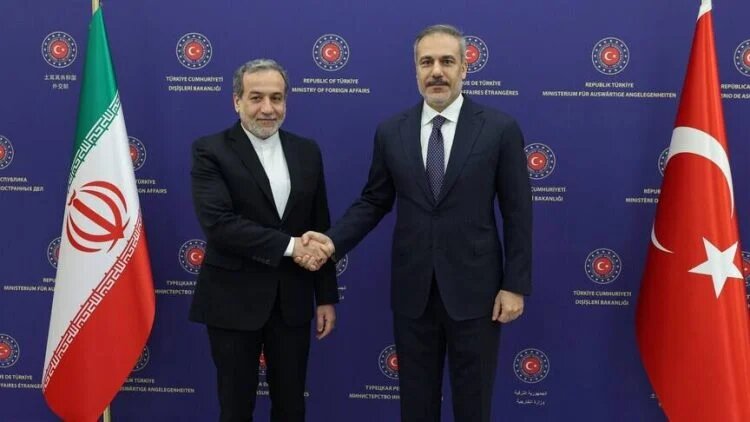
Iranian and Turkish Foreign Ministers Hold Talks in New York
Iran's Abbas Araghchi and Turkey's Hakan Fidan met on the sidelines of the UN General Assembly to discuss bilateral and regional issues.