Iran Says It Will Not Negotiate or Reopen Strait of Hormuz Until Its Conditions Are Met
Security Council secretary Mohsen Rezaei said Tehran will not engage with Washington or reopen the Strait of Hormuz until the US meets seven conditions set by Iran.
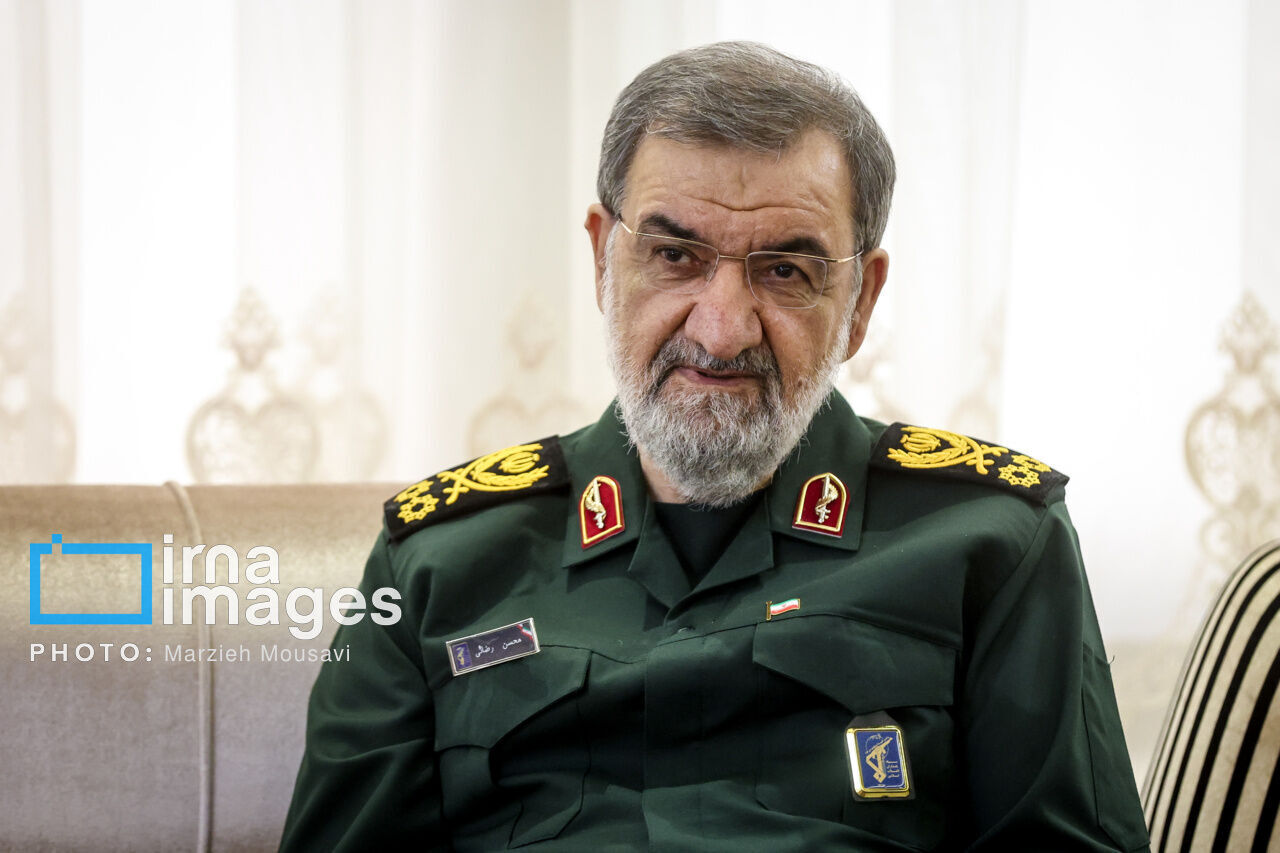
Iran will not enter negotiations with the United States or reopen the Strait of Hormuz until Washington meets seven conditions set by Tehran, Mohsen Rezaei, secretary of Iran's Supreme National Security Council, said on Wednesday, according to state news agency IRNA.
Rezaei's comments reaffirm Iran's position that any resumption of dialogue or normal maritime activity through the strategically vital Strait of Hormuz is contingent on the United States meeting a specific set of preconditions established by Iranian officials. The strait is a critical global shipping route for oil exports.
Iran's Position
The seven conditions referenced by Rezaei were not fully enumerated in the available report, though the statement underscores Tehran's continued insistence on preconditions before any diplomatic engagement with Washington resumes. This position reflects Iran's broader stance in the aftermath of recent tensions between the two countries.
Rezaei's role as secretary of the Supreme National Security Council gives his remarks particular weight as a reflection of official Iranian security policy, rather than a lower-level or informal statement on the matter.
Strategic Significance of the Strait
The Strait of Hormuz remains one of the world's most important chokepoints for oil shipments, and any disruption or closure has significant implications for global energy markets. Iran's linkage of the strait's status to its negotiating conditions underscores the strategic leverage the waterway represents in the broader standoff with Washington.
No timeline was given for when or whether the specified conditions might be met, leaving the current impasse over negotiations and Hormuz's status unresolved for the time being.
Sources
EGazette summarizes reporting from multiple sources; follow the links for the originals.
Related articles
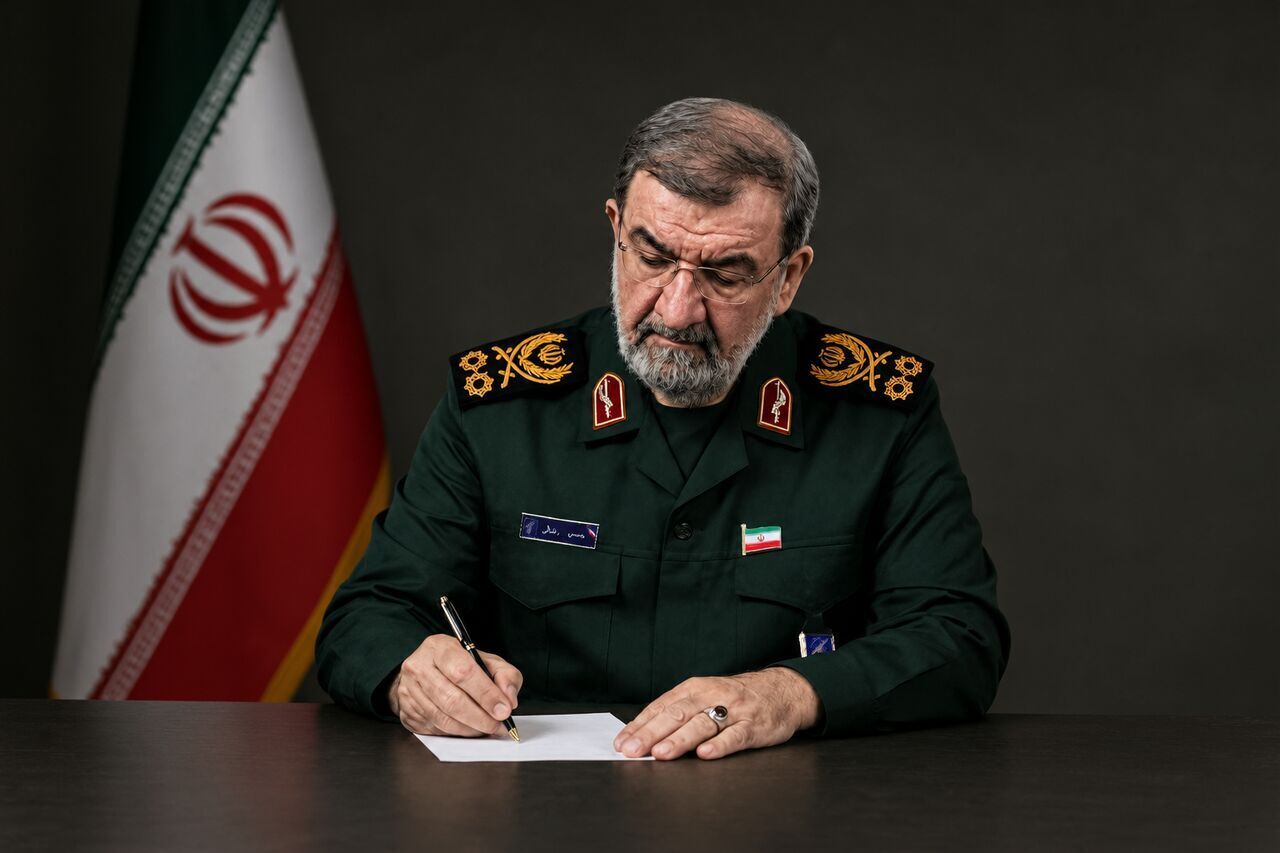
Iran's top security official rules out return to pre-war diplomacy with US
Mohsen Rezaei said Iran will not revert to its earlier diplomatic approach toward Washington, calling on the US to act and meet Tehran's conditions for reopening the Strait of Hormuz.
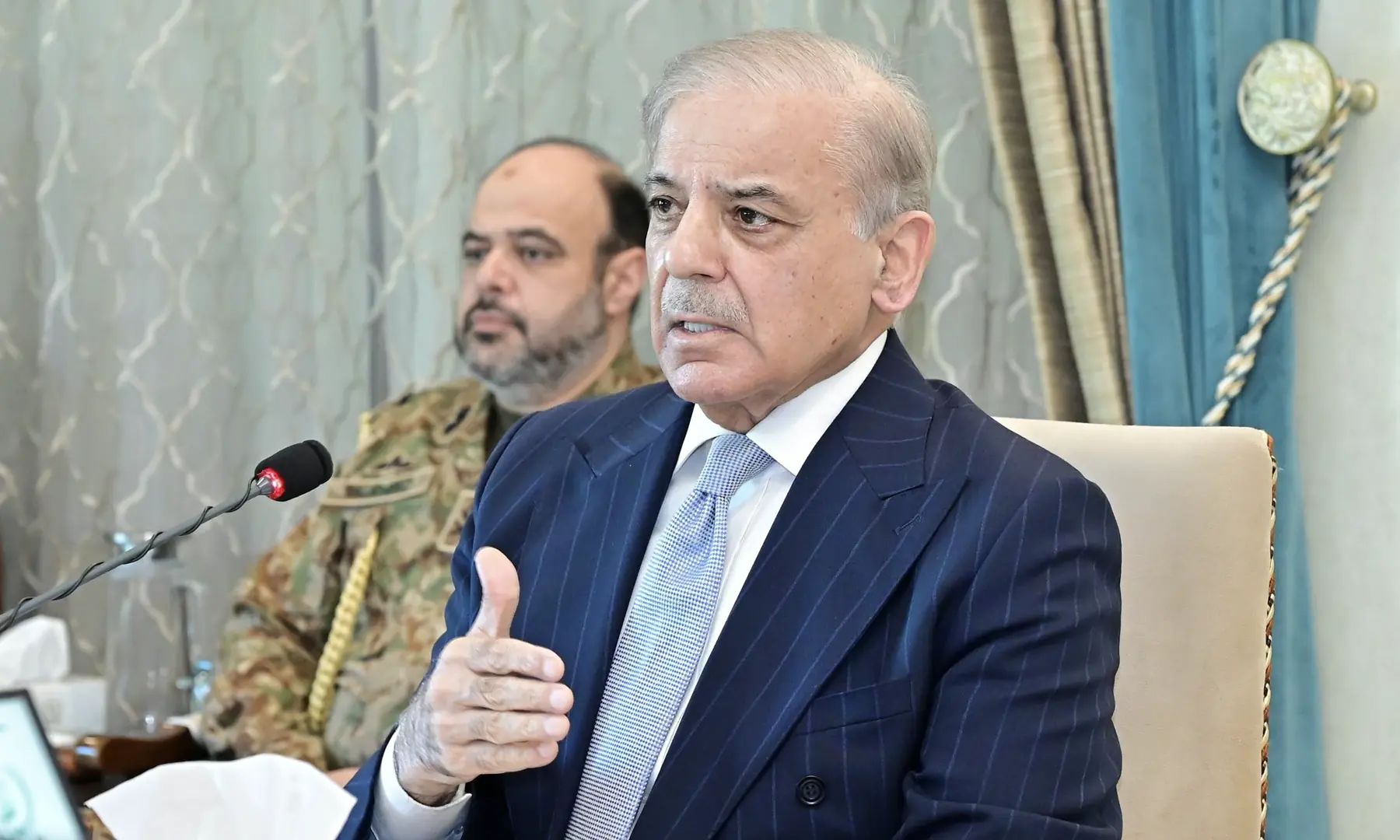
PM Shehbaz reaffirms Pakistan's resolve to mediate between Iran and US
Speaking at the United Nations, Prime Minister Shehbaz Sharif said Islamabad has not lost hope of achieving de-escalation between Tehran and Washington.
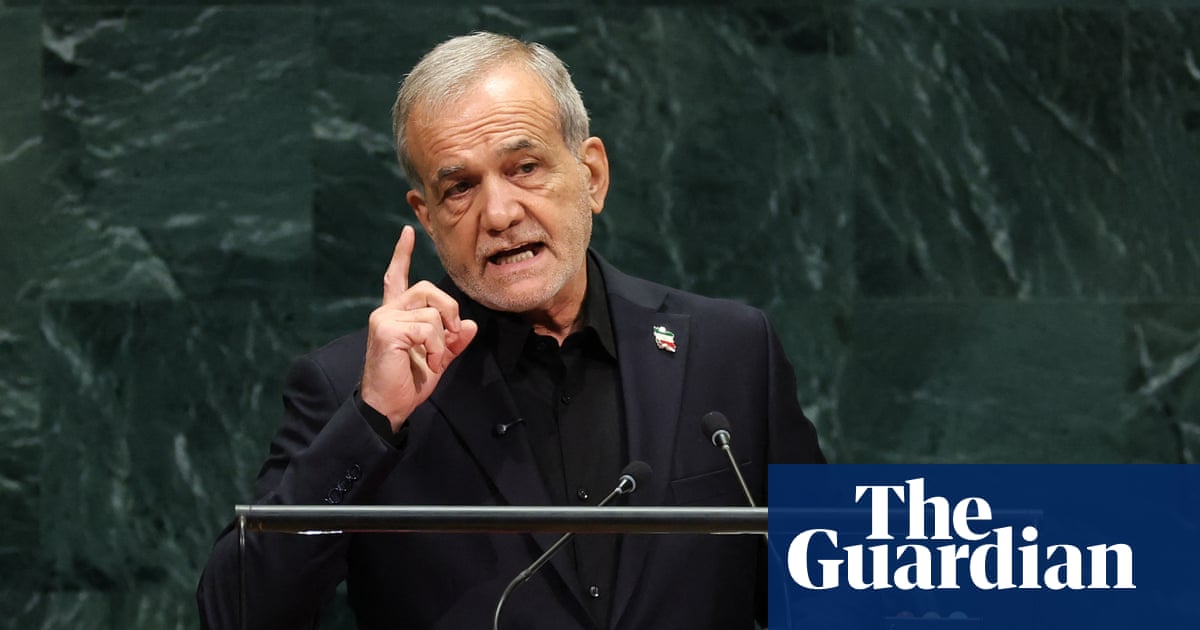
Iran's president criticizes Trump as 'bully' in UN speech, signals openness to talks
Masoud Pezeshkian said Tehran is ready for dialogue and diplomacy but not under the language of force.
Iranian and South Korean Foreign Ministers Hold Talks in New York
Abbas Araghchi met with his South Korean counterpart Cho Hyun on the sidelines of events in New York, according to Iran's state news agency.
Trump Administration Favors Continued Dialogue With Russia, Says Putin Envoy
Kirill Dmitriev commented after Secretary of State Marco Rubio said the US had invited Vladimir Putin to the December G20 summit near Miami.
Iran's parliament speaker praises Pezeshkian's UN address on nation's ancient civilization
Mohammad Bagher Ghalibaf said President Masoud Pezeshkian's speech to the UN General Assembly reflected Iran's national strength and its 3,000-year-old civilizational heritage.
Comments
Loading comments…