Iran says it is still awaiting mediators' response on Hormuz proposal, sidesteps Trump remarks
Foreign Minister Abbas Araghchi says Tehran is waiting for an official U.S. response to its proposal to reopen the Strait of Hormuz, according to Al Jazeera.
Written by EGazette’s AI. The facts are drawn from cited sources; the analysis is the AI’s own.

Iran says it is still waiting for an official response from the United States regarding its proposal to reopen the Strait of Hormuz, according to a report from Al Jazeera, which noted that Iranian Foreign Minister Abbas Araghchi did not directly address recent remarks made by U.S. President Donald Trump.
The report did not specify the exact content of Iran's proposal on the strait, nor the specific remarks by Trump that Araghchi is described as having sidestepped. It also did not name the mediators Iran says are involved in facilitating a response from Washington.
The Strait of Hormuz, a vital corridor for global oil shipments, has been at the center of recurring tensions between Iran and the United States, with both sides periodically signaling openness to de-escalation while maintaining sharply different public positions on outstanding disputes.
Iran has historically relied on intermediary countries, including regional states such as Oman and Qatar, to relay messages and proposals during periods of direct diplomatic estrangement with Washington. It remains unclear from the available reporting which parties are currently serving in that mediating role.
Neither the Iranian foreign ministry nor the U.S. State Department has issued a detailed public statement confirming the status of the proposal or a timeline for a response.
Sources
- Araghchi ignores Trump, waits for mediators’ response on Hormuz — Al Jazeera — All
EGazette summarizes reporting from multiple sources; follow the links for the originals.
Comments
Loading comments…
Related articles

Pezeshkian Says Iran 'No Longer Trusts' Talks With Washington
Iranian President Masoud Pezeshkian said Tehran no longer trusts negotiations with the United States, remarks that came shortly before President Trump rejected Iran's proposal on the Strait of Hormuz.
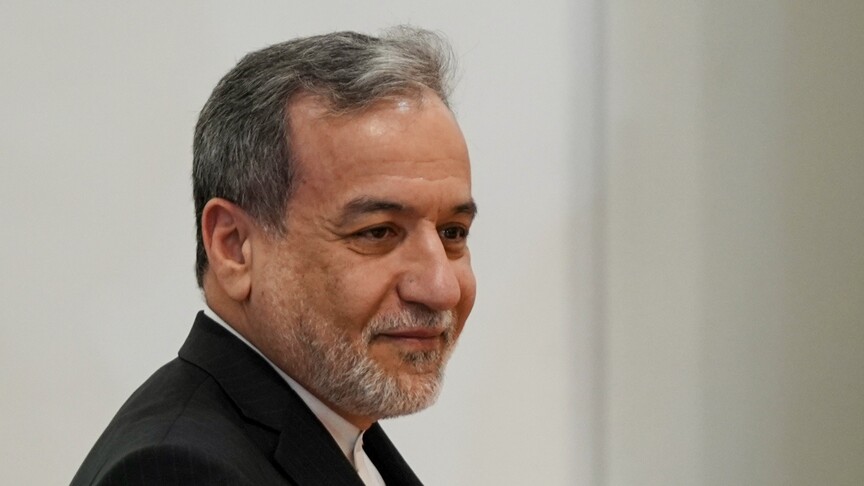
Iran Awaits Formal US Response on Hormuz Proposal, Foreign Minister Says
Foreign Minister Abbas Araghchi said any progress remains conditional on Tehran's terms being met, according to IRNA.
Araghchi Says Iran Awaits Formal US Response on Hormuz Proposal
Iran's foreign minister said any progress remains conditional on Tehran's terms being met, according to state news agency IRNA.
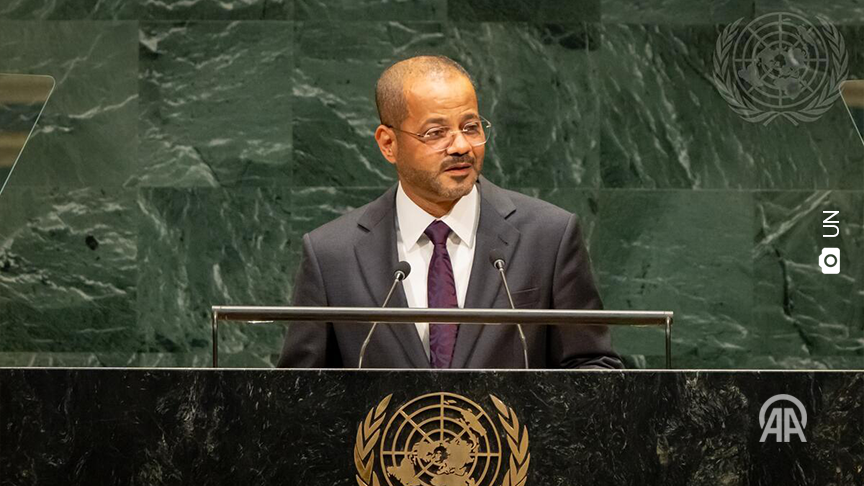
Oman pledges to safeguard Strait of Hormuz navigation, urges Iran-US settlement
Foreign Minister Badr Albusaidi also reiterated Oman's support for a political settlement in Yemen, according to Anadolu Agency.

Trump Rejects Iran's Seven-Day Plan to Reopen Strait of Hormuz
US President Trump rejected a seven-day plan proposed by Iran to reopen the Strait of Hormuz, calling the offer unacceptable, as Tehran awaited an official response.
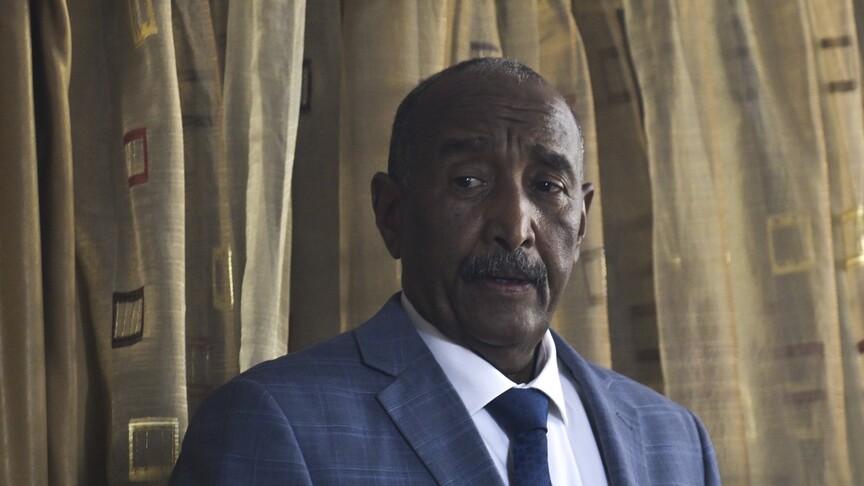
Sudan Will Not Yield to 'Pressure or Blackmail,' Sovereign Council Chief Says Amid US Visa Dispute
Abdel Fattah al-Burhan said Sudan does not need a visa to any country or anyone's permission, amid a dispute with the United States.