Iran's Pezeshkian calls for unity among Muslim states
President Masoud Pezeshkian said Muslim nations must stand together, warning that adversaries are seeking to provoke divisions among them.
Written by EGazette’s AI. The facts are drawn from cited sources; the analysis is the AI’s own.
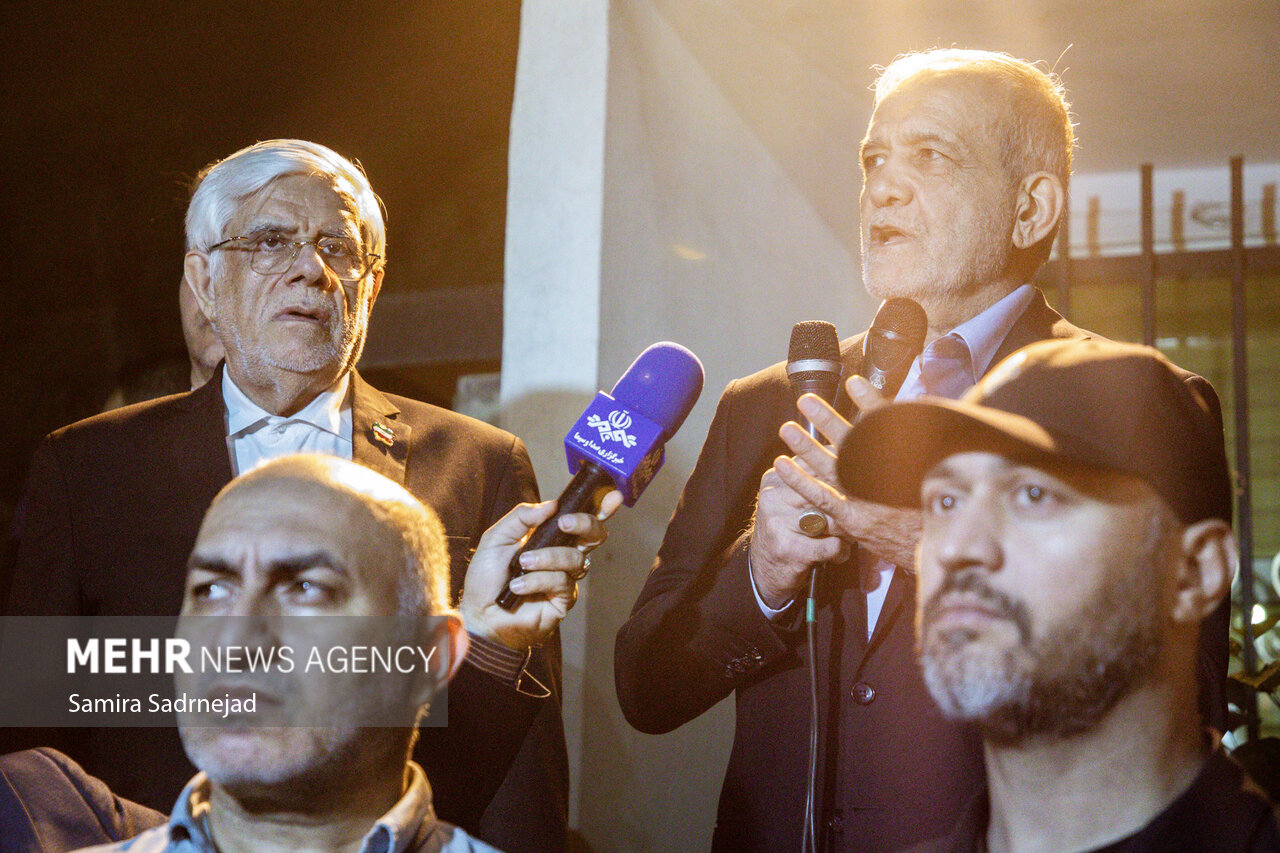
Iranian President Masoud Pezeshkian has called on Muslim states to stand together, describing Muslim nations as brothers who must remain united.
Speaking in Tehran, Pezeshkian warned that unnamed adversaries are attempting to provoke Muslim nations against one another in an effort to deepen internal divisions among them.
The remarks reflect a recurring theme in Iranian official rhetoric, which has frequently called for solidarity among Muslim-majority countries, particularly amid regional tensions involving Israel and Western powers.
Pezeshkian did not identify a specific incident prompting the comments, framing them instead as a broader appeal for unity amid what he characterized as external efforts to sow discord.
The call for unity comes against a backdrop of continuing regional instability in the Middle East, where diplomatic and security tensions have periodically strained relations between neighboring Muslim-majority states.
Sources
- Muslim states must stand together: Pezeshkian — Mehr News (Iran)
EGazette summarizes reporting from multiple sources; follow the links for the originals.
Comments
Loading comments…
Related articles

Iran's Pezeshkian Hails Ties with Turkmenistan on Independence Day
President Masoud Pezeshkian congratulated Turkmenistan's leadership on its Independence Day, voicing hope for deeper bilateral cooperation between the two neighboring nations.
Iran's Pezeshkian congratulates Turkmenistan on independence anniversary
President Masoud Pezeshkian sent separate messages to Turkmenistan's national leader and president marking the country's independence day, according to Mehr News.
Iran's President Pezeshkian welcomed home after five-day New York visit
A large crowd greeted President Masoud Pezeshkian at Tehran's Mehrabad Airport following his trip to the UN General Assembly.

Pezeshkian returns to Tehran after addressing UN General Assembly
The Iranian president was received at Mehrabad Airport by the head of the Supreme Leader's Office following his trip to New York.
Iran Says It Has Not Received Formal Rejection of Hormuz Plan Despite Trump's Comments
Iranian officials say they are aware of President Trump's public comments rejecting Tehran's plan for the Strait of Hormuz but have not received any formal message to that effect.
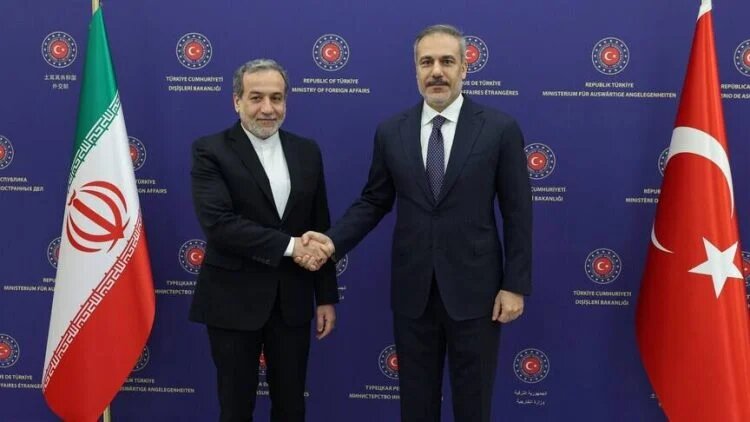
Iranian and Turkish Foreign Ministers Hold Talks in New York
Iran's Abbas Araghchi and Turkey's Hakan Fidan met on the sidelines of the UN General Assembly to discuss bilateral and regional issues.