Iran's Parliament Approves Penalties for Violators of Hormuz Transit Laws
Iran's National Security and Foreign Policy Commission has approved new penalties for vessels that violate transit regulations in the Strait of Hormuz, part of efforts to reinforce Tehran's control over the critical waterway.
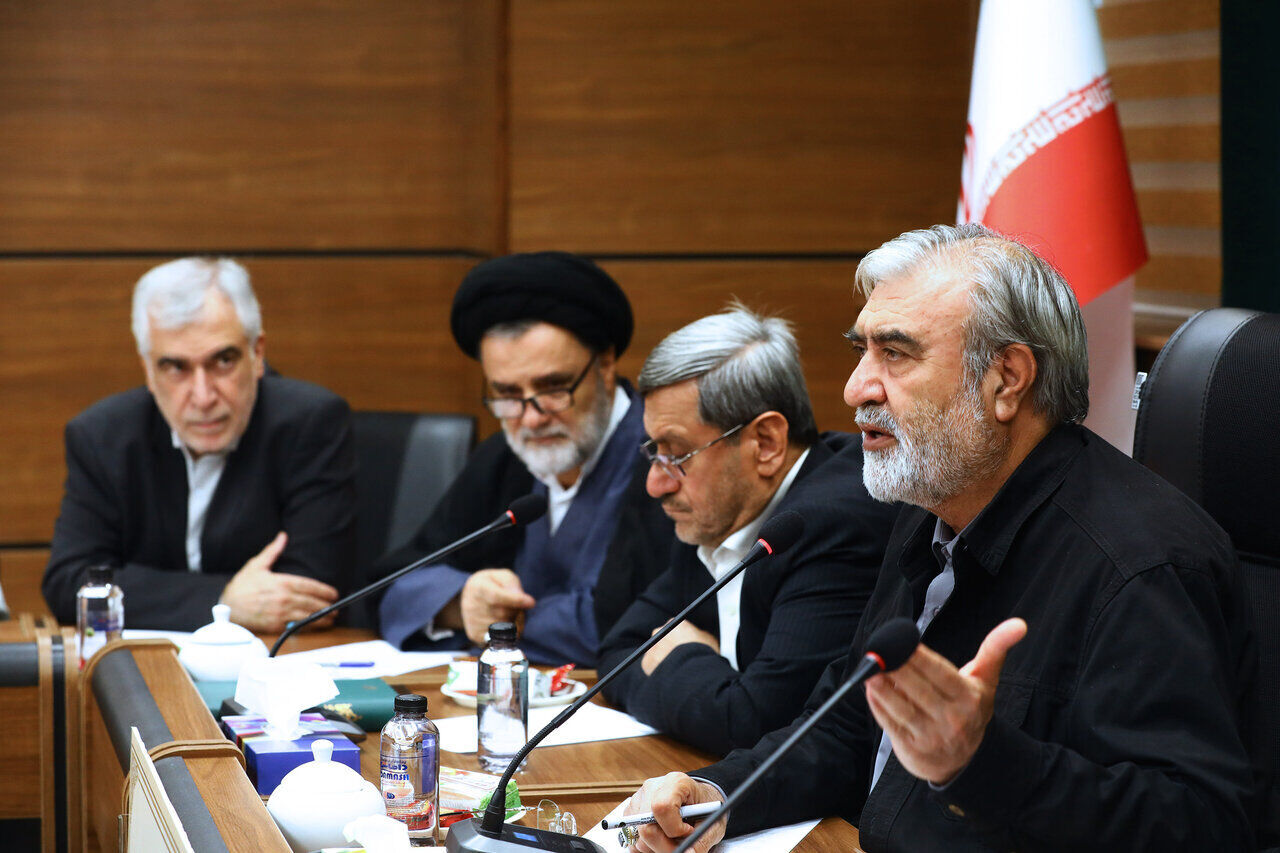
Iran's parliament has taken a legislative step toward tightening control over the Strait of Hormuz, with its National Security and Foreign Policy Commission approving new penalties for vessels that violate transit regulations in the waterway.
The measure is described as part of a broader legislative effort to consolidate Iran's sovereign control over the strait, which serves as one of the world's most critical energy transit chokepoints given the volume of oil and gas shipments that pass through it daily.
A strategic waterway under scrutiny
The Strait of Hormuz has long been a focal point of geopolitical tension, given its role as a passage for a significant share of the world's seaborne oil exports. Iran has periodically signaled its willingness to assert greater control over the waterway, particularly during periods of heightened tension with the United States and its allies.
New penalties targeting vessels violating transit rules could have implications for international shipping traffic through the strait, though the specific scope and enforcement mechanisms of the legislation were not detailed in the initial report.
The move comes amid a broader pattern of legislative and military steps by Iran aimed at reinforcing its position regarding the strait, a body of water it borders along with Oman, and through which much of the Gulf region's oil exports must pass en route to international markets.
It remains to be seen how the new penalties will be implemented in practice and how international shipping companies and other Gulf states may respond to the tightened regulations.
Sources
EGazette summarizes reporting from multiple sources; follow the links for the originals.
Comments
Loading comments…
Related articles
Trump claims US extracted more oil from Strait of Hormuz than ever before
The president said Iran is 'doing very poorly' and predicted it would eventually give up.

Iran condemns Netanyahu's visit to the United Arab Emirates
Iran's Foreign Ministry criticized Israeli Prime Minister Benjamin Netanyahu's presence in the UAE, warning of what it called dangerous regional consequences.
Trump says he doesn't know if Iran will 'surrender' but reiterates it won't get nuclear weapon
The US president said Iran is in a difficult position but stopped short of predicting when or whether Tehran might back down.
Iran's Pezeshkian says US and Israel seek to sow internal divisions, calls for national unity
Iranian President Masoud Pezeshkian said adversaries are trying to weaken Iran through internal discord after failing to subdue it militarily, urging public unity.
Iran and Uzbekistan to deepen bilateral ties, says President Pezeshkian
President Masoud Pezeshkian said Tehran and Tashkent will expand cooperation through shared political will.
What Is Known About the Reported Bomb Plot Targeting RAF Fairford
A police alert has reportedly developed into concerns over a potential Iranian plot against a British military base used by United States forces.