Iran's Leverage Over Strait of Hormuz Fades as Oil Exports Rebound
Oil shipments through the strategic waterway are returning to near pre-war levels, eroding one of Tehran's main sources of regional pressure.
Written by EGazette’s AI. The facts are drawn from cited sources; the analysis is the AI’s own.
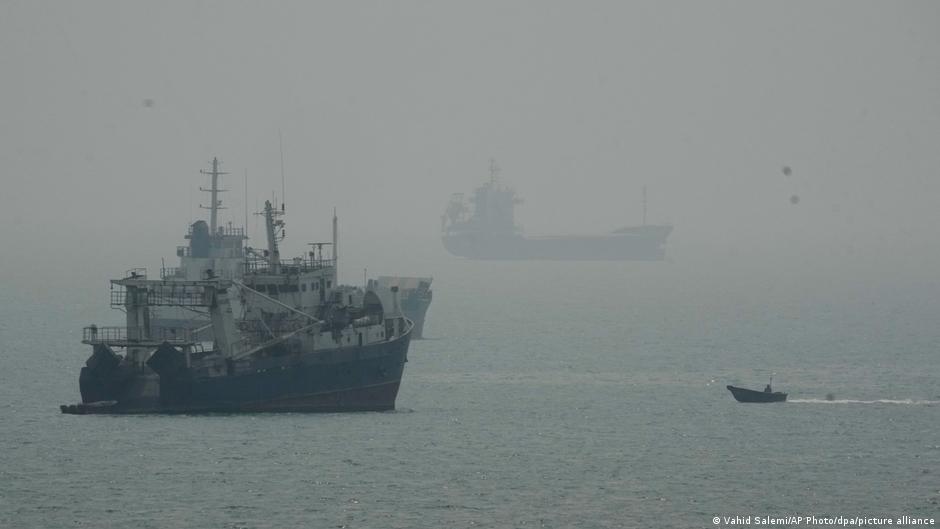
Iran's ability to use the Strait of Hormuz as a tool of pressure is weakening, as oil exports from the region climb back toward levels seen before recent hostilities. The narrow waterway, through which a large share of the world's seaborne oil has traditionally passed, has long been viewed as a potential chokepoint that Tehran could threaten to close in moments of confrontation with Western powers.
That leverage appears to be diminishing. Shipping traffic through the strait has increased, and oil exporters in the region are moving crude at a pace closer to pre-conflict norms. Analysts tracking the corridor point to two main factors behind the shift: a stepped-up American military presence aimed at protecting commercial vessels, and a broader recovery in regional shipping activity as tensions have eased from their recent peak.
A Diminished Threat
For years, any suggestion that Iran might move to close or disrupt traffic through Hormuz was enough to rattle energy markets, given that a significant portion of global oil and gas shipments transit the strait. The current rebound in exports suggests that threat is losing some of its force, at least for now, as buyers and shippers grow more confident that cargoes can move safely through the passage.
The increased American protective presence has been a key part of that reassurance. With naval assets positioned to safeguard commercial shipping, insurers and traders have reportedly grown more willing to route tankers through the strait rather than seeking costlier alternatives.
The shift carries implications beyond shipping logistics. Iran has historically used the implicit threat of disruption in Hormuz as a bargaining chip in its dealings with Washington and Gulf neighbors. As exports normalize and traffic volumes rise, that card becomes harder for Tehran to play convincingly, potentially narrowing its options in any future standoff over the waterway.
Sources
- مضيق هرمز.. إيران تفقد تدريجيا ورقة الضغط النفطية — Deutsche Welle — Arabic
EGazette summarizes reporting from multiple sources; follow the links for the originals.
Comments
Loading comments…
Related articles

US Treasury Secretary Says Iran Will Have No Oil Shipments or Revenue This Week
Scott Bessent says Tehran faces an 'unprecedented' economic isolation, with no tankers carrying Iranian crude at sea this week.

Reports: Saudi Arabia Preparing for Possible Strike on Houthi Group in Yemen
Sources told Reuters that Saudi Arabia is preparing possible action against the Ansar Allah group amid attacks on the kingdom and fighting in Taiz, as Iran reportedly proposes a political track.
Bloomberg Reports Iran Preparing for Possible Large-Scale US Attacks
An unnamed Iranian official told the news agency that Iranian authorities are preparing for potential large-scale strikes by U.S. forces.

Iran Executes Man Convicted Over Shooting at Police During Protests
Siavash Jamshidi was convicted on charges including opening fire on police officers during unrest late last year.
Ship Transits Through Arctic's Northern Sea Route Hit Record High in September
The Financial Times reported 133 voyages along the route in September, a 46% increase from August and more than four times the level recorded in 2022.

G7 to release 100 million barrels of oil and diesel as energy prices soar
The move comes as global energy prices climb amid the US and Israel's war on Iran and Russia's war on Ukraine, raising questions over how much relief it will bring.