Iran Floats Conditions for Reopening Strait of Hormuz as Trump Signals Deal Could Wait Until After Midterms
Tehran's proposal could revive hopes for a diplomatic path forward on restoring full shipping traffic through the strategic waterway.

Iran has floated conditions for reopening the Strait of Hormuz to fuller shipping traffic, according to a report from CNBC, as President Trump separately suggested that a broader deal with Tehran could come either before or after the upcoming US midterm elections.
Tehran's proposal, details of which were not fully specified in available reporting, could pave the way for restoring traffic through the strait, a critical corridor for global energy shipments that has seen reduced activity amid regional tensions. The offer represents a potential diplomatic off-ramp in a relationship marked by years of confrontation between Iran and the United States.
Trump's remarks regarding the timing of a possible deal add a layer of uncertainty to the diplomatic outlook, suggesting that any resolution may not be imminent even as both sides continue engaging through direct and indirect channels, including meetings held on the sidelines of the United Nations General Assembly in New York.
The Strait of Hormuz has featured prominently in recent tensions, given its role as a chokepoint for a significant share of the world's oil exports. Any credible move toward normalizing traffic through the strait would be closely watched by global energy markets and shipping industries.
Neither side has confirmed a firm timeline for translating the floated conditions into a formal agreement, and the situation remains fluid as diplomatic contacts continue in parallel with continued rhetoric from both governments.
Sources
- Iran floats conditions for Hormuz reopening as Trump says deal could come after midterms — CNBC — Top News
EGazette summarizes reporting from multiple sources; follow the links for the originals.
Comments
Loading comments…
Related articles

Iranian Security Official Says Trump 'Unable to Decide' on Conditions Conveyed by Tehran
Mohsen Rezaei, secretary of Iran's Supreme National Security Council, said Iran has communicated its terms to Washington.

Iran sent its conditions to US; Trump unable to decide, says Rezaei
Mohsen Rezaei, secretary of Iran's Supreme National Security Council, said Tehran has conveyed its conditions to Washington but that President Trump has yet to make a decision.
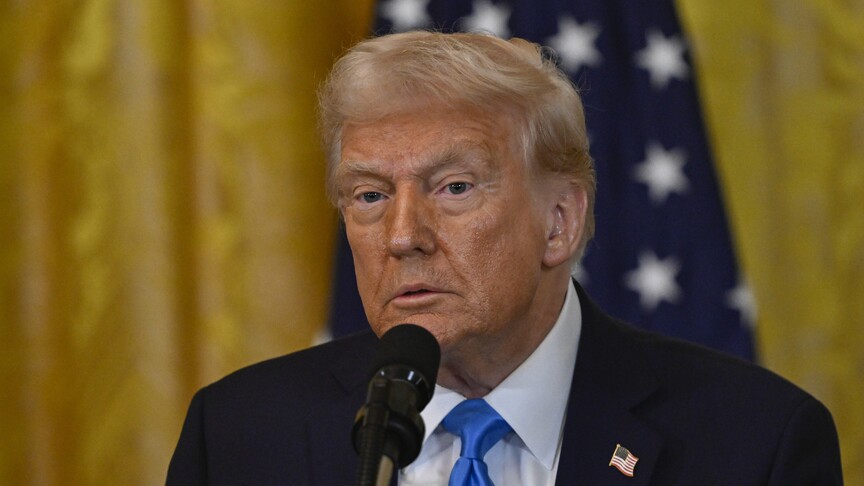
Trump claims US extracted more oil from Strait of Hormuz than ever before
The president said Iran is 'doing very poorly' and predicted it would eventually give up.
Japan and Mongolia Pledge Closer Ties on AI, Security and Energy
Japanese Prime Minister Sanae Takaichi hosted her Mongolian counterpart Nyam-Osor Uchral in Tokyo, with both sides pledging to deepen cooperation on artificial intelligence, security and energy.
Iran's Revolutionary Guard Issues Open Letter Appealing to US Voters
Iran's military accused the Trump administration of misleading American citizens about the state of the ongoing conflict, in an open letter addressed to US voters.
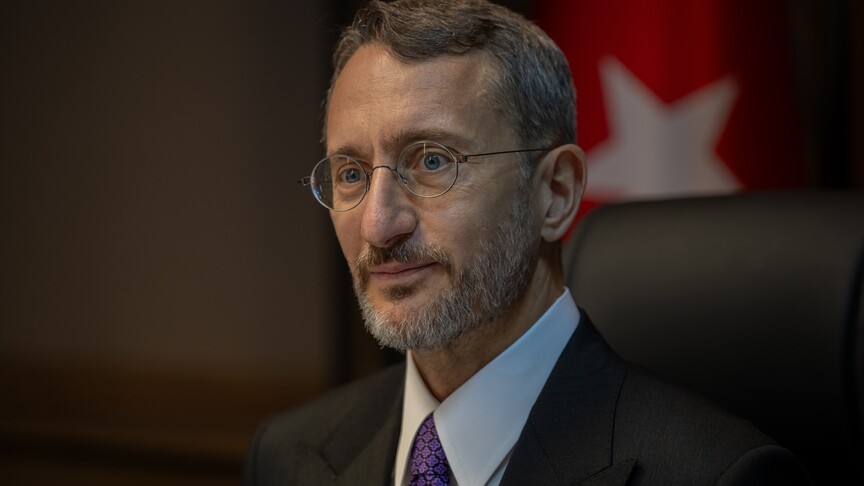
Türkiye's Vatican envoy stresses human dignity, dialogue as foundations for peace
Fahrettin Altun said religion and diplomacy can help humanity overcome differences without hostility.