India’s UPI Payments System to Start Charging Merchants, CNBC Reports
The world’s largest real-time payments network, long free for users and merchants, is moving toward a fee-based model for some transactions, according to CNBC.
India’s Unified Payments Interface (UPI), described by CNBC as the world’s largest real-time payments system, is set to begin charging fees to merchants, ending a long-standing policy of free transactions, the outlet reported in its “Inside India” newsletter.
According to CNBC, UPI currently processes more than 1 million transactions every two minutes without charge to either consumers or merchants. The report said this model is now changing, with merchants expected to face fees going forward.
The CNBC report referenced companies including Visa, Amazon and PhonePe in connection with the shift, though the excerpt reviewed did not provide further detail on the specific fee structure, timeline, or which transactions would be affected.
UPI, developed and overseen by India’s National Payments Corporation of India, has become central to the country’s digital economy since its 2016 launch, enabling instant bank-to-bank transfers via mobile phones for everyday purchases, bill payments and peer-to-peer transactions.
CNBC did not specify in the excerpt reviewed whether the fee changes have been finalized by regulators or industry players, or when they might take effect. Further details on the scope and implementation of the change were not available in the source material.
Sources
- Inside India newsletter: The world’s largest real-time payments system will no longer be free for all — CNBC — Top News
EGazette summarizes reporting from multiple sources; follow the links for the originals.
Related articles

Tata Sons Faces Boardroom Tensions Over Chairman's Reappointment and Public Listing Demand
BBC News reports that a dispute has intensified within Tata Sons' boardroom over the reappointment of its chairman and a directive requiring the company to go public.

Report Points to Emerging Boardroom Tensions at Tata Group
CNBC reports a power struggle is developing at India's Tata Group, a decade after its last major leadership upheaval.

Viral video of mother's barefoot race for daughter's school seat reignites debate on India's education system
Footage of a 47-year-old widow running 3km unprepared and in flip-flops to try to secure her daughter's school admission has spread widely online, according to BBC News.
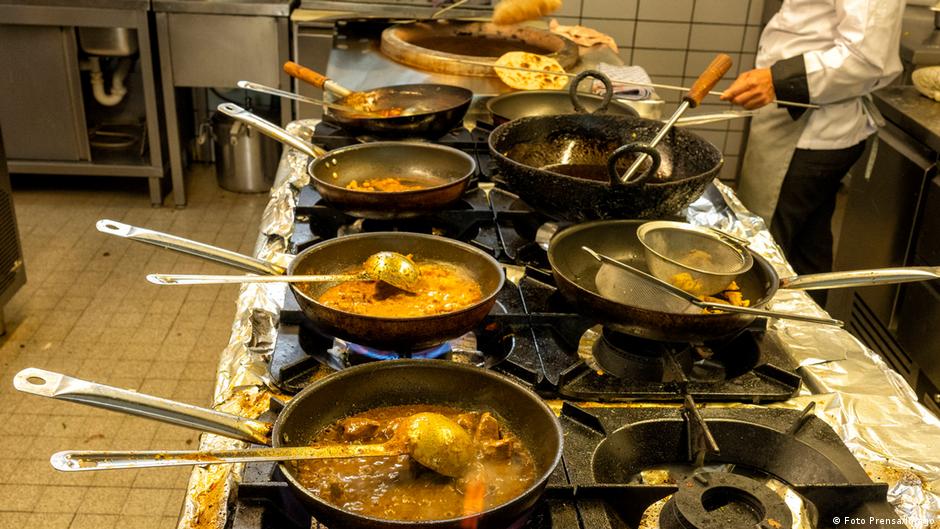
India Debates Food Safety Standards After Raids on Luxury Hotels, Food Companies
A wave of enforcement actions has reignited scrutiny of how India regulates and polices food safety across its hospitality and food production sectors.
Raids on Luxury Hotels Reignite Debate Over India's Food-Safety Enforcement
A wave of inspections targeting hotels and food companies has renewed scrutiny of how India polices food quality and safety, according to a report by Deutsche Welle.

Indian Army Chief Discusses Military Cooperation With Russian Officials
General Dhiraj Seth met Russian Deputy Defense Minister Yunus-Bek Yevkurov during an official visit to Moscow, according to TASS.
Comments
Loading comments…