Ig Nobel Prizes Honor Study Suggesting Wealthy Are More Likely to Behave Badly
Among the 2026 Ig Nobel award winners is research examining the moral behavior of rich people, alongside studies on friendship and the biomechanics of kissing, according to a Guardian video report.

A study suggesting that wealthier individuals may be more likely to engage in dishonest or self-serving behavior was among the winners of the 2026 Ig Nobel prizes, according to a video report published by The Guardian.
The Ig Nobel prizes, now in their annual tradition, honor research described as work that "makes you laugh and then think." This year's awards included a study that appeared to confirm popular suspicions about the ethical conduct of the wealthy, framed by the report with the question of who is more likely to "steal sweets from a child."
In the video, Guardian science editor Ian Sample discussed the findings with presenter Madeleine Finlay, outlining what researchers believe could explain the phenomenon, though specific details of the study's methodology were not elaborated in the available report.
The report also highlighted other prize-winning research from this year's Ig Nobel ceremony, including a study identifying an unexpected quality that people look for in friends, and another that offered a biomechanical definition of kissing.
The Ig Nobel prizes are typically awarded for research that, despite its often unconventional or amusing framing, is intended to prompt further reflection on real scientific or social questions. The Guardian's report did not specify the names of the researchers or institutions behind the winning studies.
Sources
- Are rich people really worse behaved? Here’s the science – video — The Guardian — Business
EGazette summarizes reporting from multiple sources; follow the links for the originals.
Related articles
Report Says Private Jets Pollute More, Pay Less in US Aviation Taxes
Institute for Policy Studies study finds private jet owners, with average wealth of $190m, contribute disproportionately little to funding FAA operations despite rising emissions
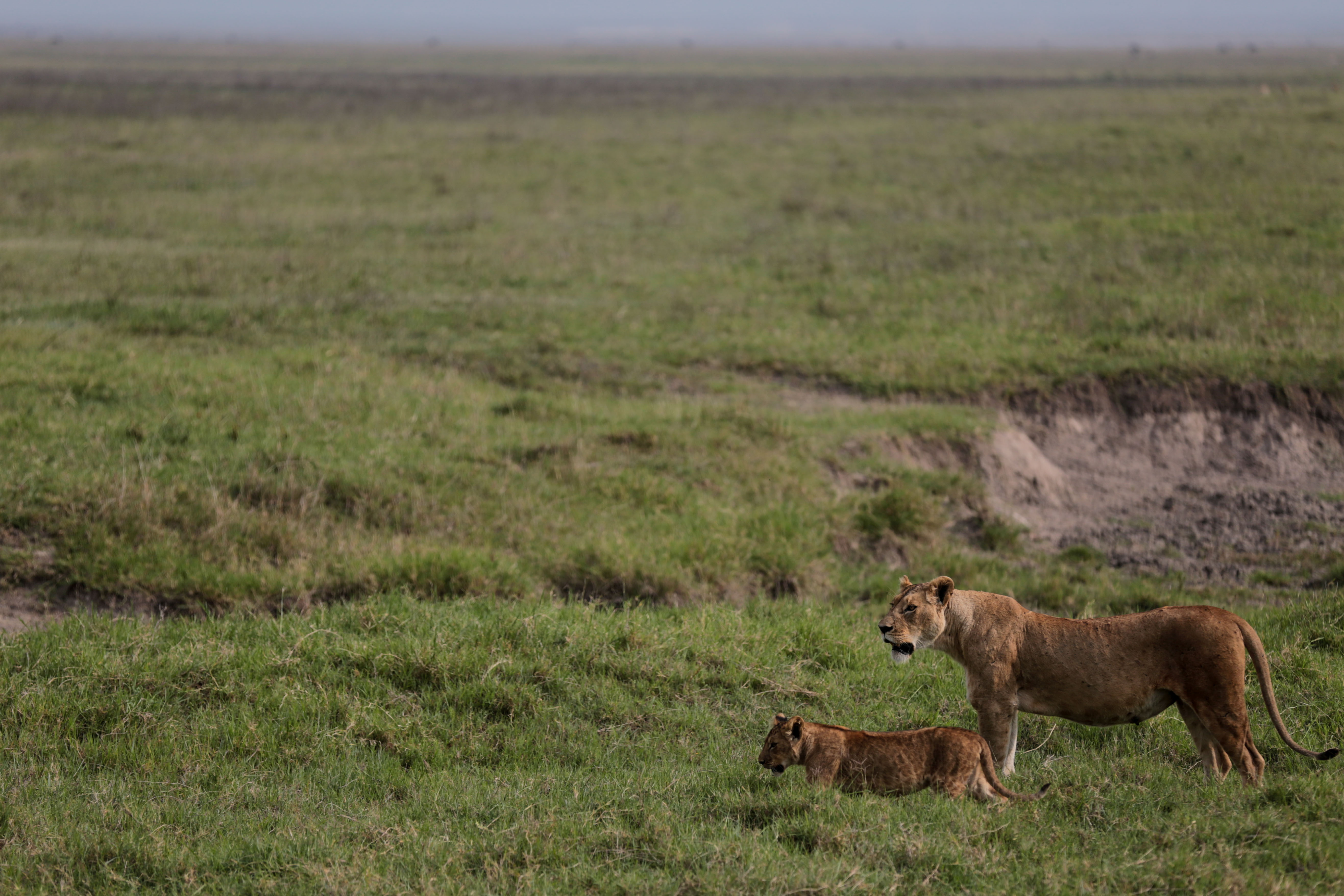
Poison suspected in deaths of ten lions at Tanzania game reserve
The lions were discovered dead in the Ngorongoro Conservation Area, prompting wildlife officials to investigate.

European Space Agency Launches Two Satellites to Monitor Climate Change
The new satellites will help scientists study the effects of climate change, with one instrument dedicated to observing plant life

Exceptional Discovery of Denisovan Fossils in a Southwestern Chinese Cave
Extremely rare remains of these Asian "cousins" of Neanderthals have been unearthed alongside stone tools, shedding new light on their way of life.
Scientific American's October Retrospective Looks Back at Smallpox, Skyscrapers and Racetrack Research
A historical column published by Scientific American revisits science and technology milestones from 50, 100 and 150 years ago, touching on smallpox eradication efforts, skyscraper excavation work and research conducted at racetracks.

NASA's Astronomy Picture of the Day Features Analemma Over Scotland's Callanish Stones
The September 20, 2026 edition of NASA's long-running APOD series highlights a composite image showing the sun's yearly path above the ancient Callanish Stones.
Comments
Loading comments…