Hutton and Haldane: Andy Burnham's 'public control' push on utilities is a minefield worth navigating
Writing in the Guardian, Will Hutton and Andy Haldane argue that full nationalisation isn't the only answer for firms like Thames Water, but that they could be run for public benefit.
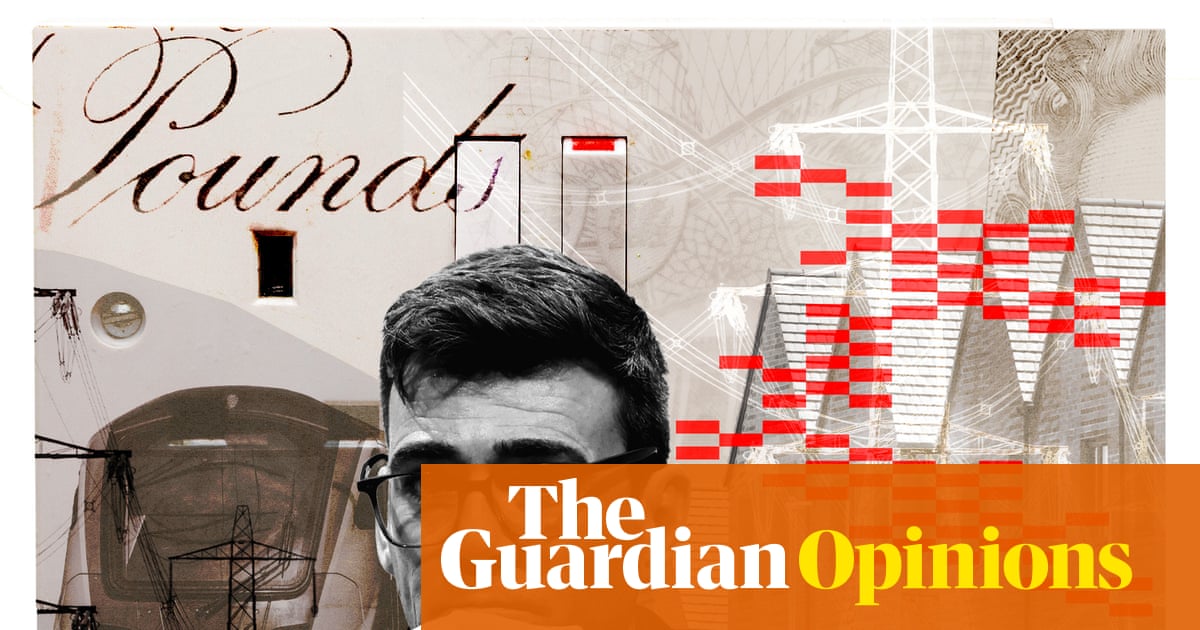
In an opinion piece for the Guardian, journalist and political economist Will Hutton and former Bank of England chief economist Andy Haldane examine Greater Manchester mayor Andy Burnham's calls for greater “public control” of utility companies.
The authors argue that while Burnham's push touches on a genuinely difficult policy area, full nationalisation is not necessarily the ultimate answer for struggling utility firms such as Thames Water.
An alternative path
Instead, Hutton and Haldane suggest that such companies could be run in ways that prioritise the public benefit, without requiring the state to take them into full ownership.
The piece frames the debate around public control of utilities as a “minefield” of competing considerations, from financing and investment to accountability and service standards.
The authors position their analysis as an attempt to help guide the conversation Burnham has opened, rather than dismiss it, suggesting there is a workable path between full nationalisation and the status quo.
Sources
- Andy Burnham talks about ‘public control’ of the utilities but it’s a minefield. We can lead him through it | Will Hutton and Andy Haldane — The Guardian — Politics
EGazette summarizes reporting from multiple sources; follow the links for the originals.
Related articles

Reader Responds: Youth Unemployment Requires Macroeconomic Solutions, Not Just Skills Training
A letter to The Guardian argues that increasing government spending, not apprenticeships alone, is needed to address youth unemployment.

Letter Writers Call for Simpler Access to UK Apprenticeship Schemes
Readers respond to reporting on low apprenticeship uptake, saying confusing systems deter young people from pursuing vocational training.

Readers Pay Tribute to Guardian Nature Columnist Phil Gates After Nearly 40 Years
Letter writers reflect on the influence of Phil Gates's country diary column following news of his final entry.
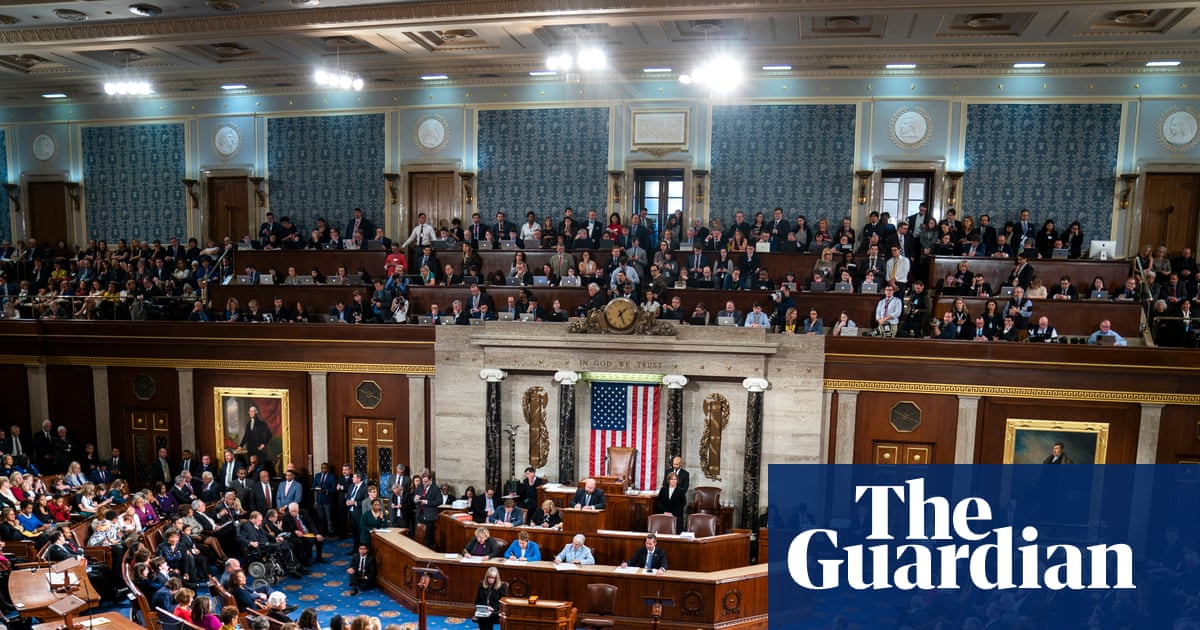
Letter Urges Americans in the UK to Vote as Control of Congress Hangs in the Balance
A reader argues that US citizens living abroad could influence the outcome of upcoming congressional elections.
The limits of Washington's security commitment to Saudi Arabia
A commentary argues Riyadh must recognize the risks of relying indefinitely on an external security guarantor as Gulf states weigh a more independent security posture.
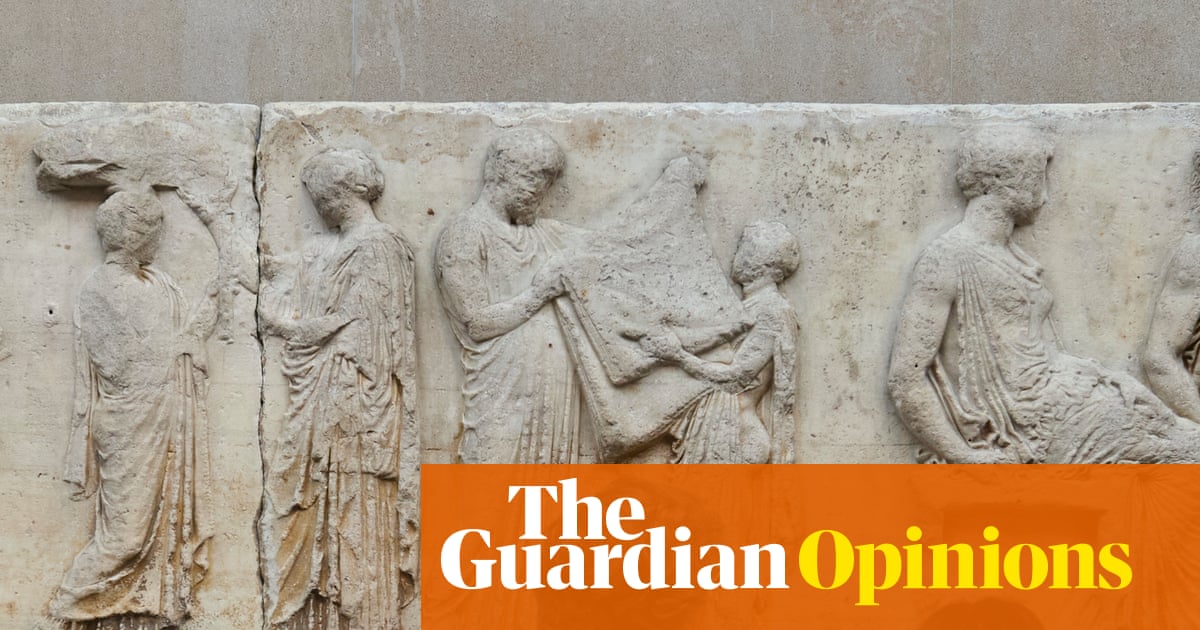
Opinion: Britain Would Not Cut Up the Bayeux Tapestry, So Why Not Reunite the Parthenon Sculptures?
Greek Prime Minister Kyriakos Mitsotakis argues the Bayeux tapestry's loan to Britain shows historic artefacts can move between nations without disputes over ownership.
Comments
Loading comments…