Hummingbird Hawk Moths and Ivy Bees Reported Thriving as Temperatures Rise
BBC Science & Environment reports sightings of insects often mistaken for small birds, linked to warming conditions in parts of the UK

The BBC has reported that hummingbird hawk moths, an insect species often mistaken for small birds due to their size and fast, hovering flight, are being spotted in the West Midlands region of England.
According to the BBC Science & Environment report, the moths are among a number of insect species said to be thriving as temperatures rise. The report also references ivy bees as another species associated with this trend.
Hummingbird hawk moths are known for their rapid wingbeats and hovering behaviour while feeding on flowers, which can cause them to be confused with hummingbirds at first glance, the report noted.
The BBC's report links the presence of these insects to changing temperature conditions, though it did not provide further detail in the material reviewed on the specific climatic data or the scale of the sightings.
Further details on the extent of the phenomenon, including specific locations, timing, and expert commentary, were not included in the available source material.
Sources
- Hummingbird hawk moths and ivy bees: The insects thriving as temperatures rise — BBC Science & Environment
EGazette summarizes reporting from multiple sources; follow the links for the originals.
Related articles
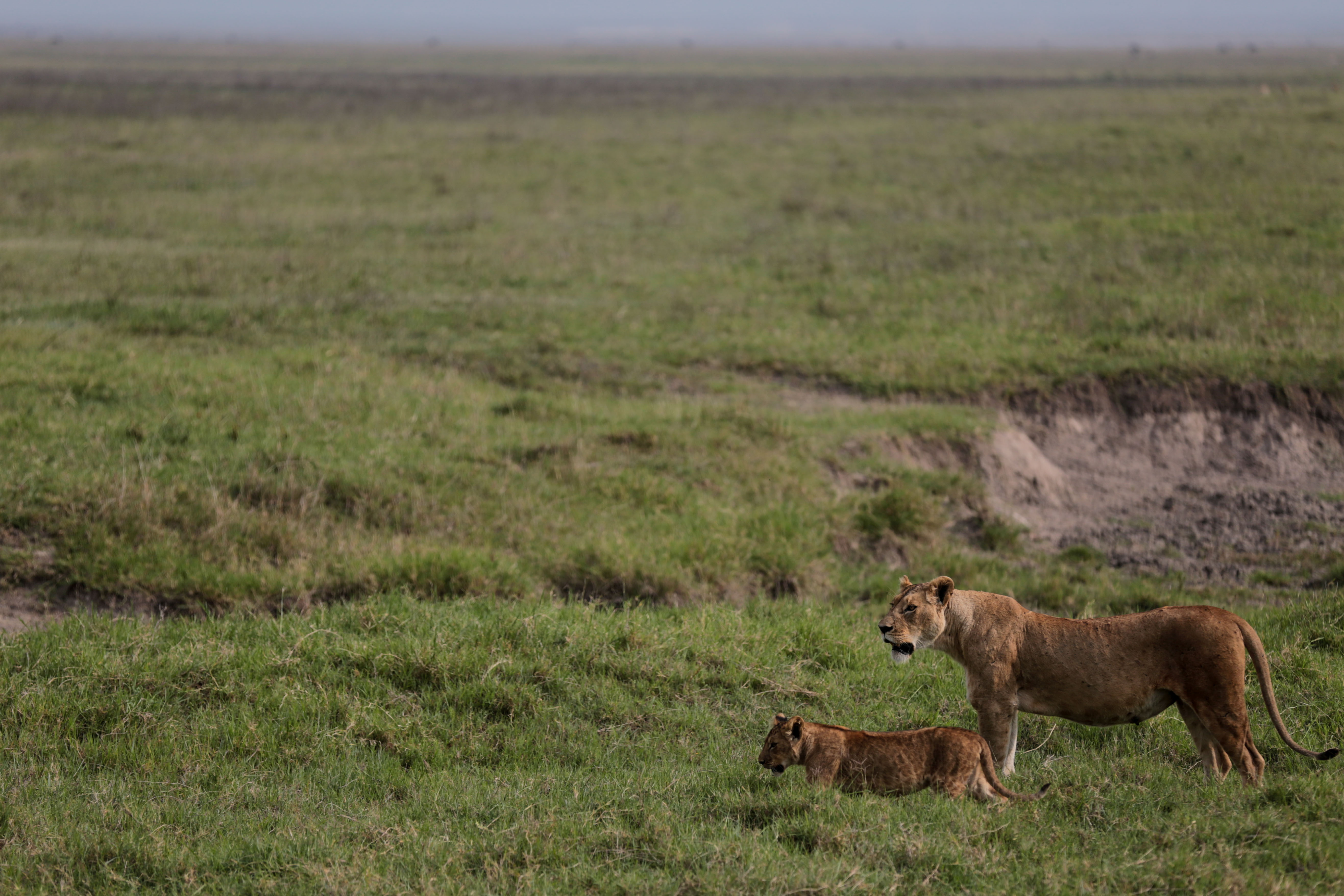
Poison suspected in deaths of ten lions at Tanzania game reserve
The lions were discovered dead in the Ngorongoro Conservation Area, prompting wildlife officials to investigate.
Hummingbird Hawk Moths Spotted Across West Midlands
Sightings of the bird-like moth, often mistaken for a hummingbird, have been reported in the region, according to the BBC.
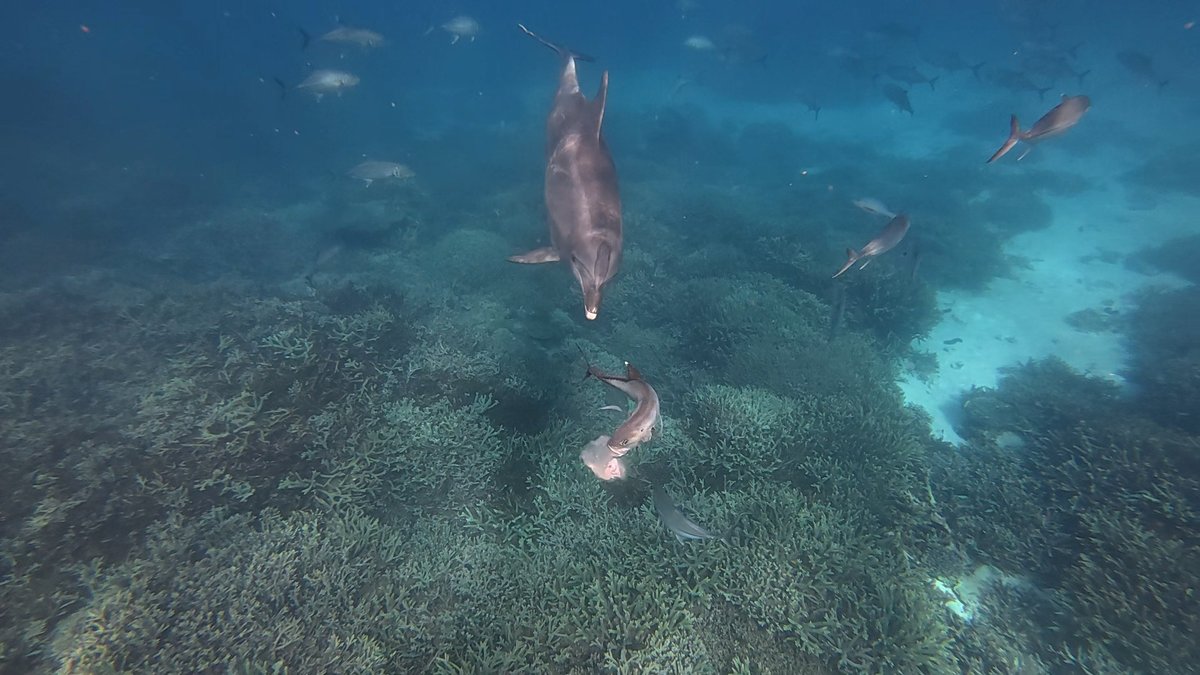
Dolphins Observed Feeding on Vomit From Frightened Fish, Study Finds
Researchers report that some dolphins appear to terrify prey fish into regurgitating, then consume the resulting vomit as an easy meal.

Russian Scientists Identify Previously Unknown Warm Surface Current in Arctic
Researchers say data from 25 Arctic expeditions spanning nearly three decades helped trace the source of an unrecognized warm water flow
New Living Cat Species Identified for First Time in Over a Century
Al Jazeera reports scientists have identified a new species of living cat, the first such discovery in more than 100 years.
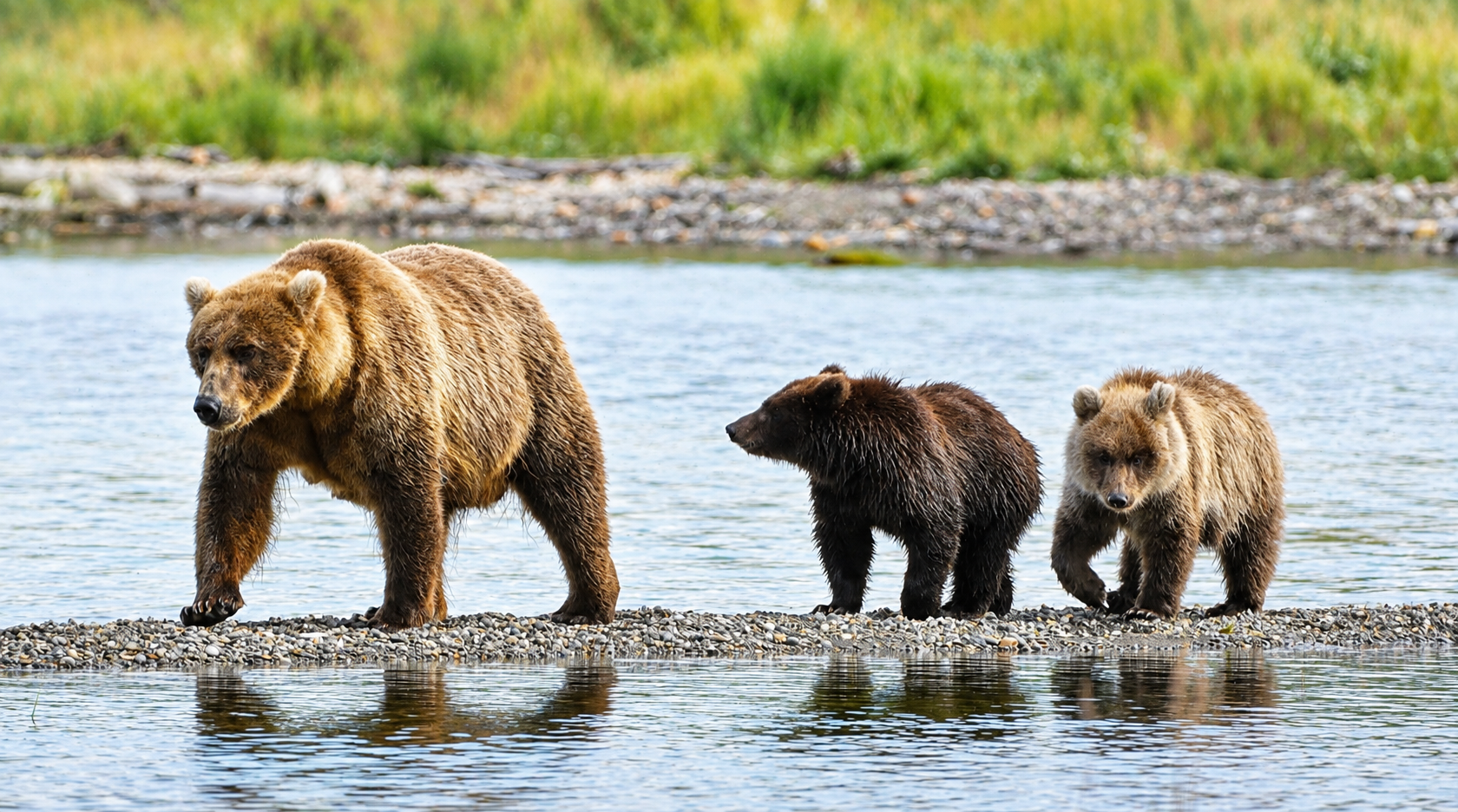
Katmai's Fat Bear Week Expands to 16 Contestants Amid Record Cub Numbers
Alaska's annual celebration of salmon-fattened brown bears grows larger this year as park officials report more cubs than usual at Katmai National Park.
Comments
Loading comments…