Hubble, Webb Telescopes Reveal Clues to Solar System's Distant Past
NASA says a joint survey using its Hubble and James Webb Space Telescopes has spotted some of the smallest and faintest Trans-Neptunian Objects ever directly observed, offering new insight into the solar system's early history.
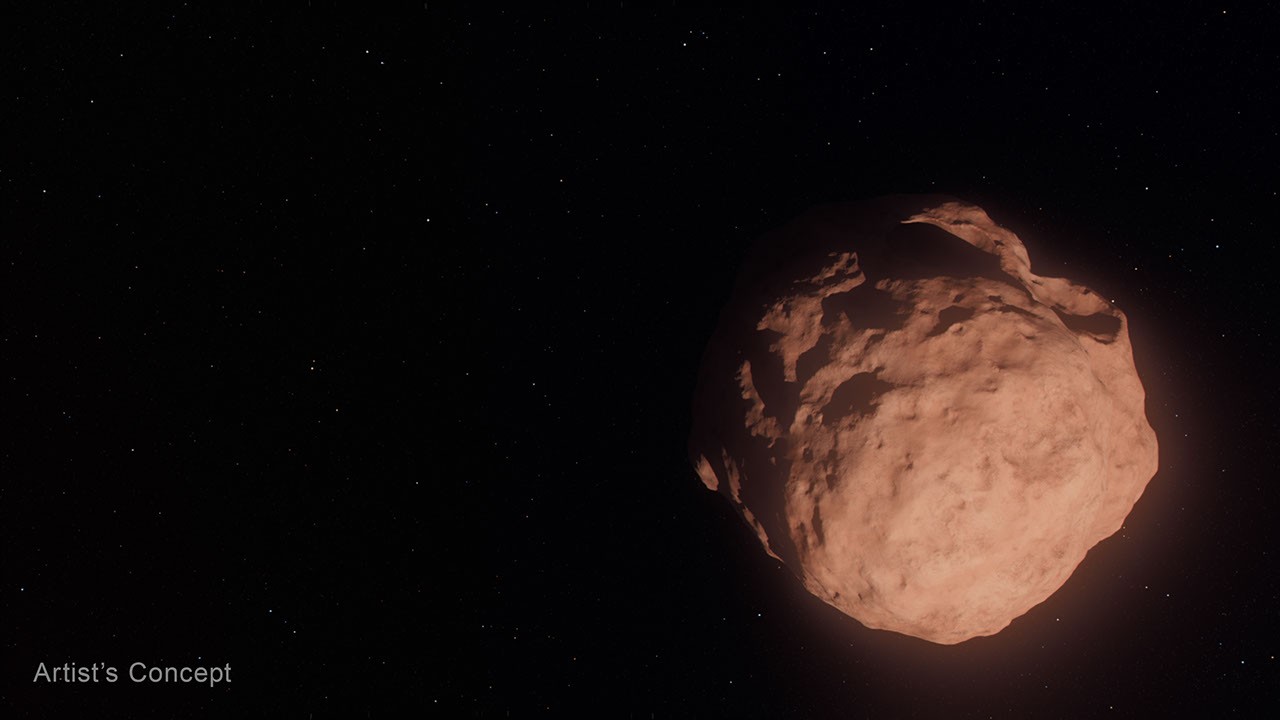
NASA reported that scientists have, for the first time, combined the observing power of its Hubble Space Telescope and James Webb Space Telescope to study Trans-Neptunian Objects (TNOs), a population of small bodies orbiting the sun beyond Neptune.
According to NASA, the survey identified some of the smallest and faintest TNOs ever directly detected, extending scientists' ability to observe objects in this distant region of the solar system.
The space agency said researchers were surprised to find fewer small TNOs than expected based on prior models, a result that could have implications for understanding how these objects formed and evolved over billions of years.
NASA said TNOs are considered remnants from the early solar system, and studying their sizes and distribution can help scientists reconstruct conditions from the era when the solar system's planets were forming.
The agency described the joint use of Hubble and Webb as a new approach for probing this population, leveraging Hubble's ability to detect faint objects and Webb's infrared sensitivity to characterize them further.
NASA did not specify in the released material a timeline for follow-up observations, but indicated the findings would inform future research into the outer solar system's history.
Sources
- NASA’s Hubble, Webb Find Far-out Solar System Objects ‘Remember’ Past — NASA Breaking News
EGazette summarizes reporting from multiple sources; follow the links for the originals.
Related articles
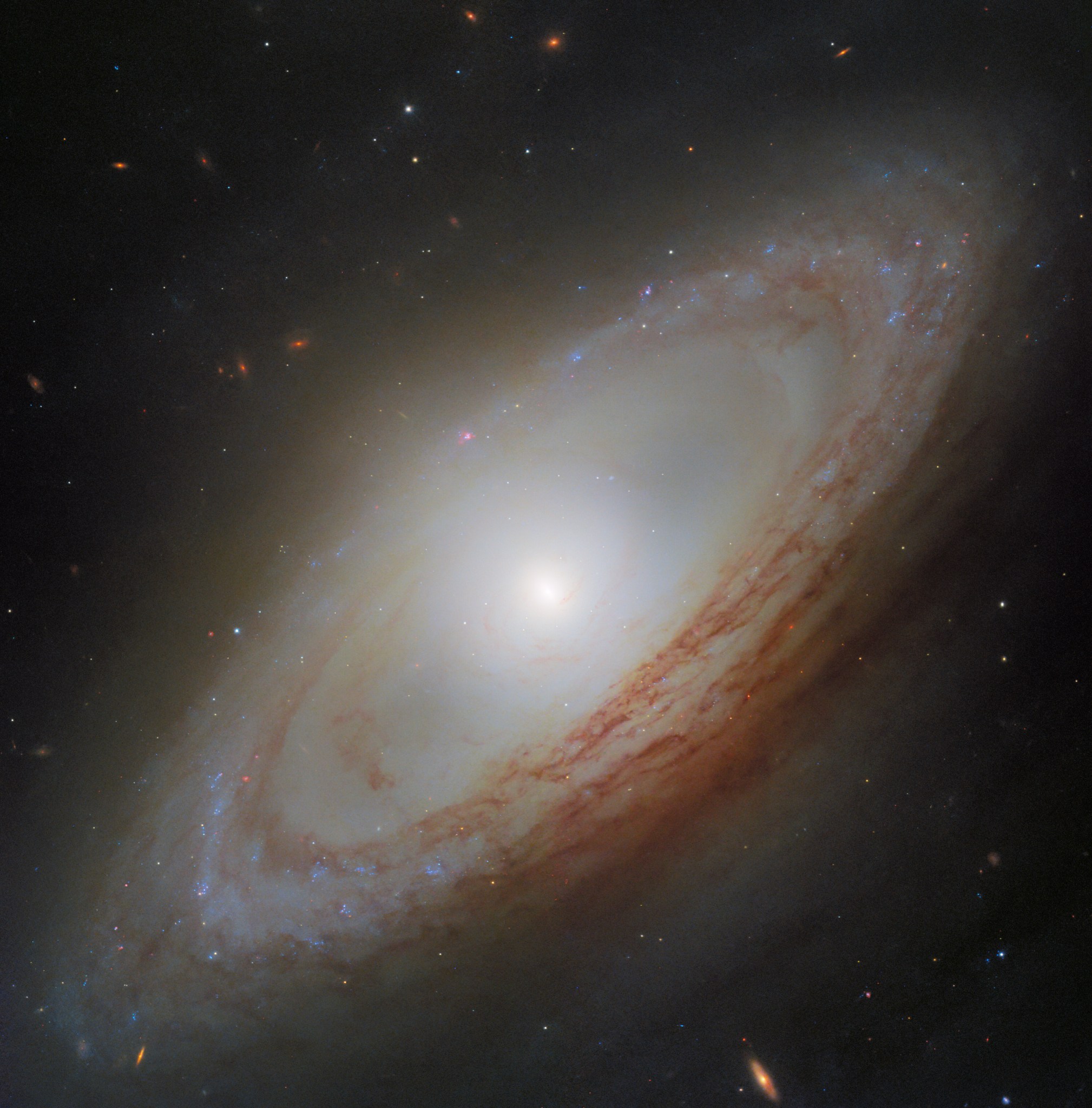
Hubble Telescope Images Reveal Hidden Anomaly in Spiral Galaxy NGC 4698
NASA says the seemingly calm galaxy, located 55 million light-years away in Virgo, harbors what the agency describes as a "chaotic secret."
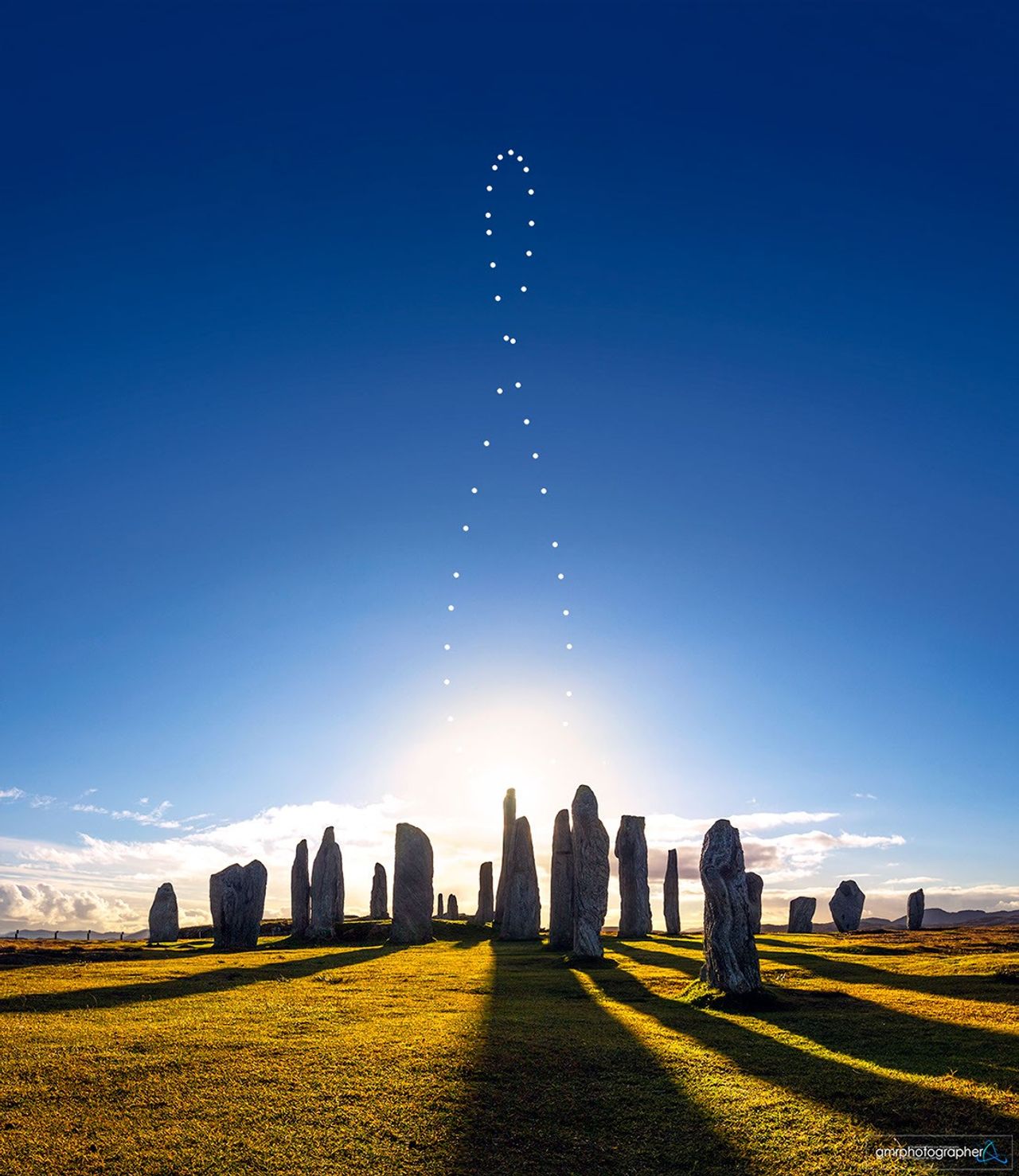
NASA's Astronomy Picture of the Day Features Analemma Over Scotland's Callanish Stones
The September 20, 2026 edition of NASA's long-running APOD series highlights a composite image showing the sun's yearly path above the ancient Callanish Stones.

BBC's 'Tech Now' Follows NASA Scientists Studying Solar Eclipse in Iceland
A new episode of the BBC technology programme features reporter Adrienne Murray accompanying NASA researchers examining a rare total solar eclipse.
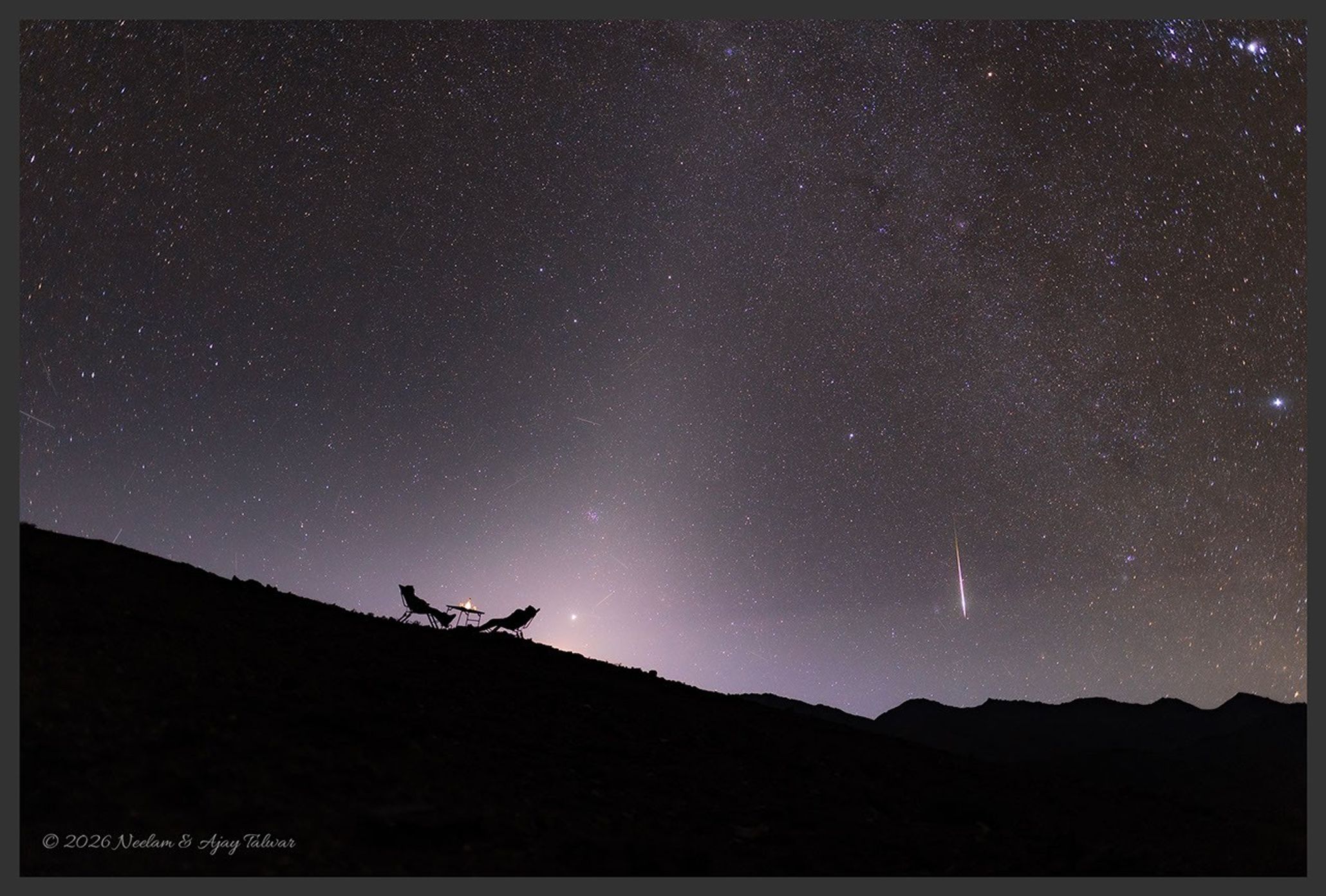
NASA’s Astronomy Picture of the Day to Feature “A Zodiacal Night” on September 19, 2026
The long-running NASA APOD series is set to showcase a night-sky image highlighting the zodiacal light, according to the program’s website.
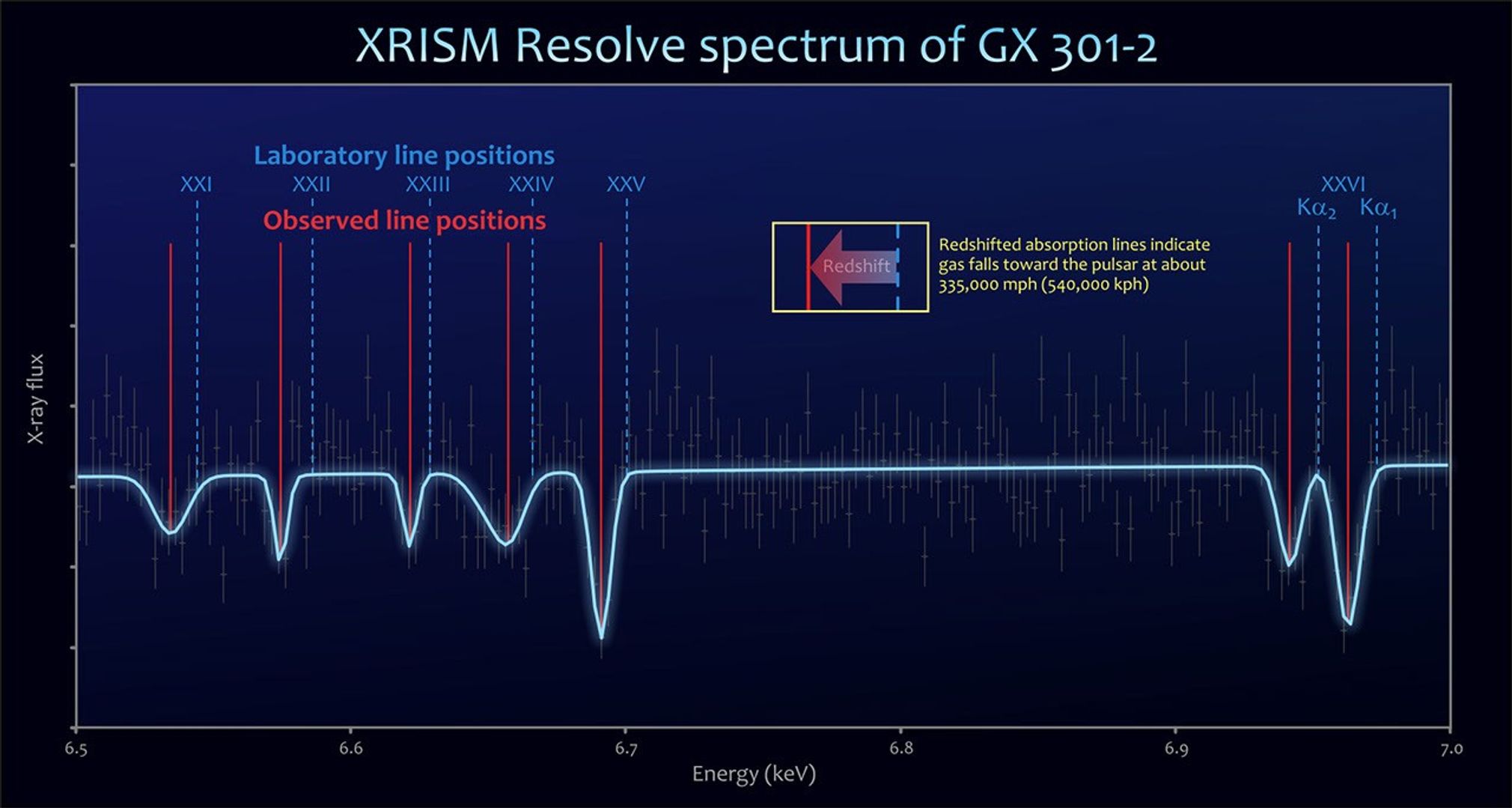
XRISM Mission Observes Pulsar Capturing Stellar Wind From Companion Star
Astronomers using the Japan-led XRISM X-ray observatory say they have directly observed a giant star's outflow being captured by a compact companion, powering intense X-ray flares.

NASA Awards SpaceX Three Additional Crew Missions to Space Station
Contract modification extends SpaceX’s role in ferrying astronauts to the International Space Station under NASA’s Commercial Crew Program
Comments
Loading comments…