How Climate Change Is Altering Petrichor, the Beloved Scent of Rain
Scientists say shifting rainfall patterns and environmental conditions are changing the chemistry behind the nostalgic smell that follows a storm.
Written by EGazette’s AI. The facts are drawn from cited sources; the analysis is the AI’s own.
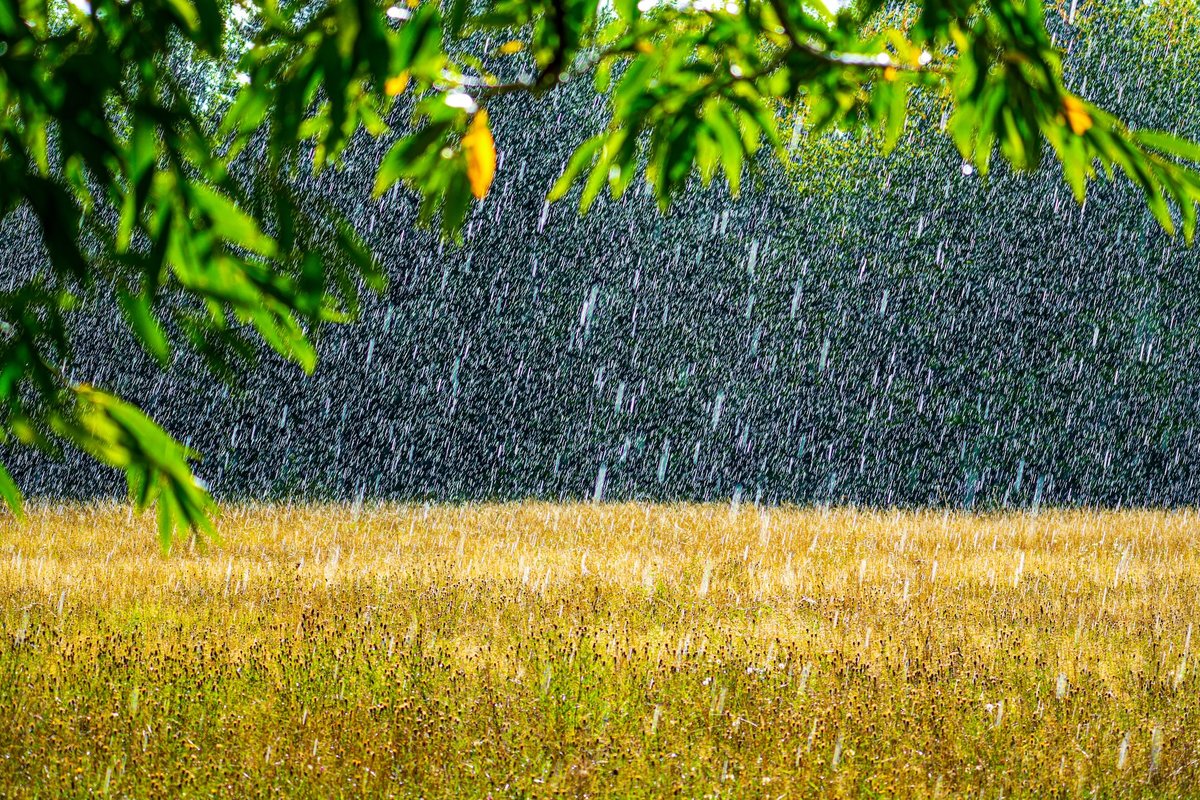
The distinctive, nostalgia-evoking smell that rises from the ground after rainfall, known as petrichor, is being altered by climate change, according to Scientific American.
Petrichor is produced by a combination of factors, including oils released by plants during dry periods, a compound called geosmin produced by soil bacteria, and ozone generated by lightning. As the planet warms and precipitation patterns shift, including longer dry spells followed by heavier downpours in many regions, researchers say the chemical processes behind the scent are changing as well.
Scientists studying the phenomenon note that changes in soil microbial activity, plant stress responses to prolonged drought, and shifts in storm intensity can all influence how much of the compounds associated with petrichor are produced and released. In some areas, more intense dry-to-wet transitions could temporarily intensify the smell, while in others, altered ecosystems may dull it over time.
Researchers say the evolving scent of rain is one of many subtle but perceptible ways that climate change is reshaping everyday sensory experiences, alongside more widely studied effects on temperature, weather extremes and ecosystems.
Sources
- How climate change is altering petrichor, the glorious smell after it rains — Scientific American
EGazette summarizes reporting from multiple sources; follow the links for the originals.
Comments
Loading comments…
Related articles

Dal Lake in Kashmir Faces Mounting Environmental and Climate Pressures
Pollution, unregulated construction and climate change are straining the lake's fragile ecosystem, according to Al Jazeera.

Swiss glaciers suffer 'disastrous' year of ice loss, threatening water supplies
Scientists say the scale of this year's glacial melt in Switzerland is no longer surprising given the pace of climate change, raising concerns about future water supplies.
Swiss Glaciers Post Another Year of Record Ice Loss
Switzerland's glaciers have lost more than 5% of their remaining ice this year alone, continuing a record pace of melt that threatens water supplies and ecosystems across Europe.
Climate Change Reshaping Polar Oceans, Copernicus Report Finds
Arctic waters are warming rapidly and sea ice is shrinking as marine ecosystems shift across the world's oceans, according to the annual Copernicus Ocean State Report.
EU climate agency warns of rapid Arctic changes, record marine heat waves
Arctic sea ice shrank by about 490,000 square kilometers per decade between 1979 and 2025, an area nearly the size of Spain, according to a new report.
Teenagers pitch ideas to tackle climate change at hackathon
Sixteen young people took part in an event devising solutions to environmental issues including light pollution.