How a Rising Tide of Disinformation Is Deepening Division and Despair
Deepfakes and coordinated disinformation campaigns, linked to actors including Russia and China, are being used to spread deceptive narratives and erode public trust.
A growing wave of disinformation, including AI-generated deepfakes and coordinated online campaigns, is being used to spread false narratives and deepen social division, according to reporting on the issue. The tactics vary widely in origin and method, with campaigns linked to state actors such as Russia and China, as well as independent far-right influencers, all identified as contributors to the trend.
Examples cited include a fabricated video depicting actor Tom Cruise criticising the Paris Olympics, and efforts to frame a Russian attack on a train near the Ukraine-Poland border as a so-called false-flag operation. These cases illustrate how fabricated or manipulated content can be deployed to muddy public understanding of real events.
A Varied and Evolving Threat
Researchers tracking disinformation campaigns describe the narratives as varied in both their falsehoods and their strategies, making them difficult to counter with a single approach. Some campaigns aim to sow confusion about specific events, while others seek to erode broader trust in institutions, media and democratic processes over time.
The proliferation of increasingly realistic deepfake technology has heightened concerns among researchers and policymakers, who warn that the line between authentic and fabricated content is becoming harder for the public to discern. This has fuelled calls for greater media literacy efforts and more robust detection tools.
The full scale and coordination behind these disinformation efforts remains difficult to quantify, and attribution to specific state or non-state actors is often contested. Nonetheless, the cumulative effect described by researchers is one of growing public division and, for some, a sense of despair about distinguishing fact from fabrication online.
Sources
- How the ‘poisonous tide’ of disinformation stokes division and sows despair — The Guardian — World
EGazette summarizes reporting from multiple sources; follow the links for the originals.
Comments
Loading comments…
Related articles
Republika Srpska to Continue Cooperating With Russia, Politician Says
Milorad Dodik said the two sides confirmed readiness to continue cooperation in the gas sector.
UN Chief Expresses Concern Over Rising Death Toll From Attacks on Russia, Guterres Says
Secretary-General Guterres condemned all attacks on civilians and civilian infrastructure amid the war in Ukraine.
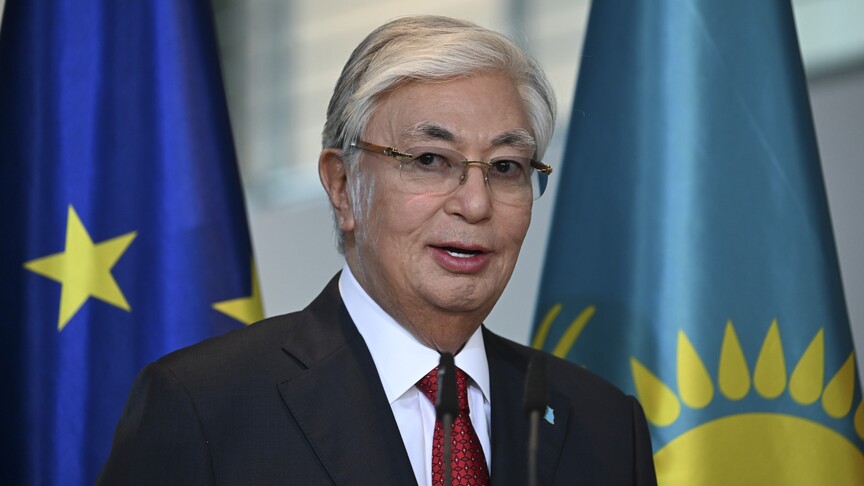
Kazakh President Calls for Freeze of Ukraine War, Thanks Putin for Understanding His Position
Tokayev said he appreciated Russia's president for respecting Kazakhstan's stance on the conflict.
Kazakh president calls for freeze in Ukraine war, credits Putin's understanding
Kassym-Jomart Tokayev said he was grateful to the Russian president for understanding Kazakhstan's position on the conflict.
India invites Russian officials and content creators to WAVES 2027 forum
A senior Indian official said the invitation follows India's hosting of the WAVES World Audiovisual Entertainment Summit last year.
How a Chinese AI Model Was Persuaded to Ignore Its Safety Rules
A BBC Technology report examines how a Chinese AI model was manipulated into bypassing its safety guidelines and providing dangerous advice.