House Advances Bill Aimed at Shielding Consumers From AI Data Center Utility Costs
Bipartisan legislation would give states a regulatory framework to stop utilities from passing data center-related energy costs onto ordinary ratepayers
The U.S. House of Representatives has advanced bipartisan legislation intended to prevent the rising energy costs associated with artificial intelligence data centers from being passed on to everyday consumers, according to CNBC.
The bill would establish a regulatory framework that individual states could choose to adopt, according to CNBC, giving state utility regulators tools to separate the energy costs generated by large data centers from the bills paid by residential and small-business customers.
The measure comes amid growing concern that the rapid expansion of data centers built to support AI computing has driven up electricity demand, with some critics warning that utilities could shift the cost of accommodating that demand onto general ratepayers rather than the tech companies and data center operators driving the growth.
CNBC described the legislation as bipartisan, though the report did not name the bill's specific sponsors, its formal title, or provide further detail on the mechanics of the proposed framework.
The report did not specify further legislative steps required before the measure could become law, including a Senate vote or presidential signature.
Sources
- House advances bill to rein in AI data center utility costs — CNBC — Top News
EGazette summarizes reporting from multiple sources; follow the links for the originals.
Related articles
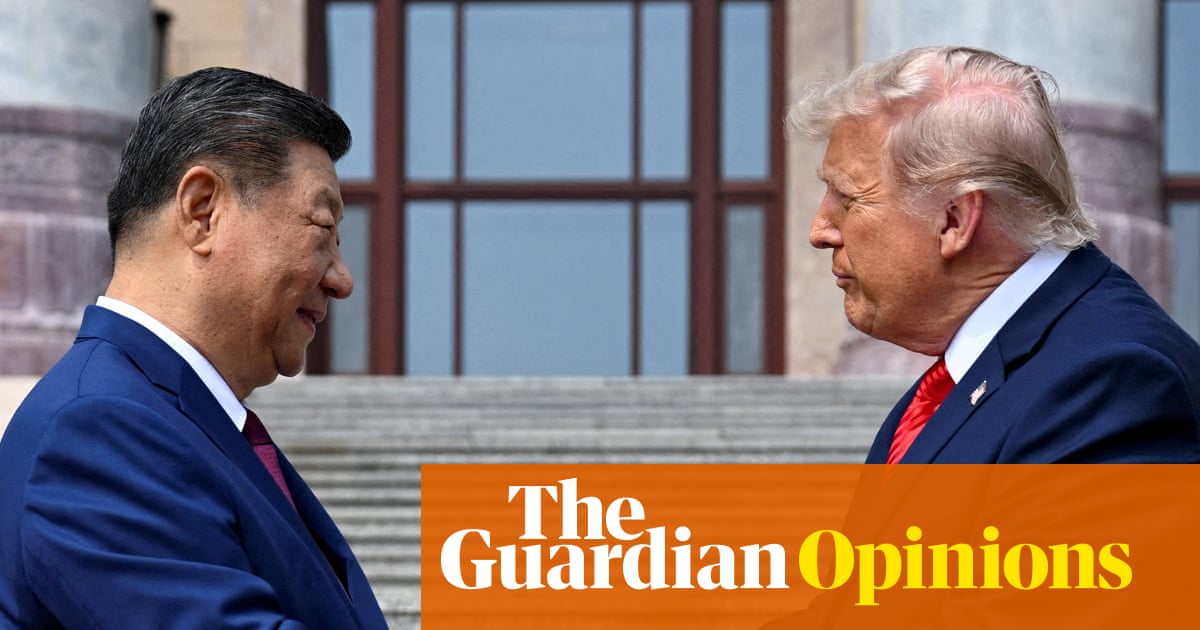
Guardian Column Urges US-China Cooperation on AI Amid Warnings Over Pace of Development
Australian scientist Alan Finkel argues that unregulated competition between AI firms and between Washington and Beijing could threaten global stability, calling for coordinated oversight.
Trump Says US Will Create an ‘AI Force’ Modeled on Space Force
The US president did not specify whether the initiative would involve establishing a new branch of the armed forces, according to TASS.

Texas QB Arch Manning Apologizes Over Reaction to AI Video
Manning called his comment "insensitive" after reacting to an AI-generated video showing coach Steve Sarkisian appearing to slap ESPN reporter Holly Rowe.

China Pushes Back on US Warnings to Slow AI Development, Guardian Reports
Beijing officials and businesses argue calls for caution are designed to preserve America's technological lead, according to a Guardian report

Bessent, China's He Lifeng Set for Talks on AI, Trade and Critical Minerals
U.S. Treasury Secretary Scott Bessent and Chinese Vice Premier He Lifeng are expected to discuss artificial intelligence, trade and critical minerals, Reuters reported.

AI industry workers express skepticism about existential risk warnings
Multiple employees at leading AI companies doubt predictions that the technology could pose catastrophic threats to humanity.
Comments
Loading comments…