Historic Covered Bazaar in Ardabil Reflects Seljuk and Safavid Heritage
The centuries-old covered bazaar in northwestern Iran's Ardabil Province continues to draw visitors while contributing to the local economy, according to IRNA.

The historic covered bazaar of Ardabil, located in northwestern Iran, showcases architectural elements dating back to the Seljuk era, according to a report by IRNA, Iran's state news agency.
IRNA reported that the bazaar features brick structures and domed vaults characteristic of Seljuk-era construction. The site also reflects the spiritual character associated with the Safavid period, the report said.
According to IRNA, the covered bazaar has been officially listed as a national heritage site in Iran.
The report noted that the bazaar continues to play a role in tourism and the local economy of Ardabil Province. IRNA did not provide additional details on the specific dimensions, exact construction dates, or visitor statistics for the site.
Ardabil Province, situated in northwestern Iran, is known for its historical sites connected to the Safavid dynasty, which ruled Iran from the 16th to 18th centuries.
Sources
EGazette summarizes reporting from multiple sources; follow the links for the originals.
Related articles

Artist Captured Working at Lok Virsa Setup
A photograph published by the Associated Press of Pakistan shows an artist engaged in creating artwork at a setup in Lok Virsa.
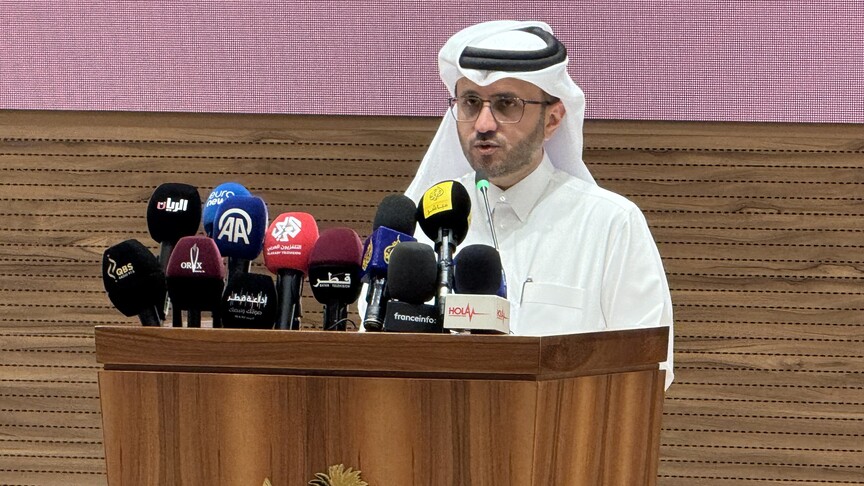
Qatar Says It Is Mediating to Revive US-Iran Talks
Qatari officials say mediators are shuttling between capitals in an effort to restart stalled negotiations between Washington and Tehran

Iran Says Strait of Hormuz Will Stay Closed Until US Meets Its Conditions
Parliament speaker says Tehran has relayed its demands to Washington through intermediaries and will not reopen the strategic waterway until they are satisfied
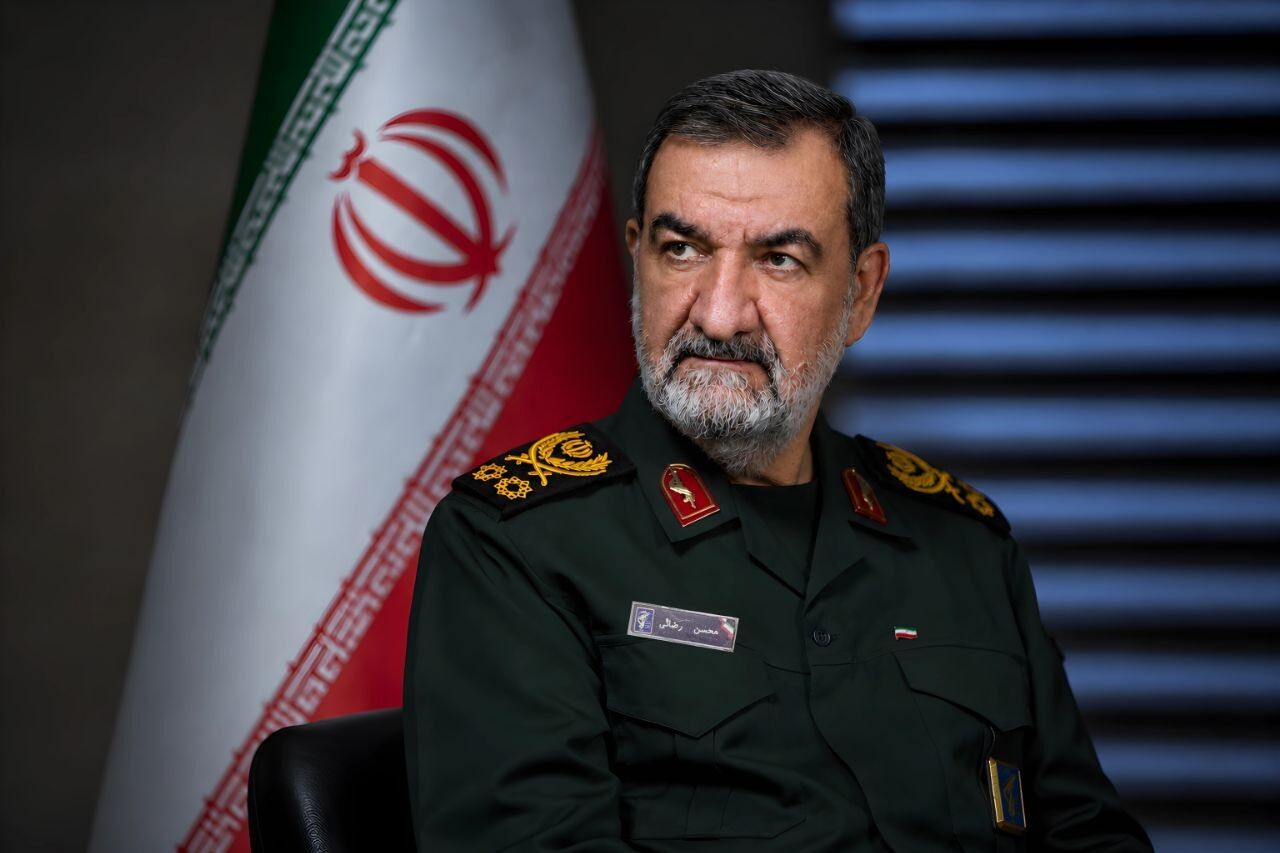
Iran Security Official Says Country Ready to Respond If US Resumes Military Action
Mohsen Rezaei, secretary of Iran's Supreme National Security Council, said Tehran is prepared to defend itself and respond forcefully to any renewed US military aggression, according to IRNA.
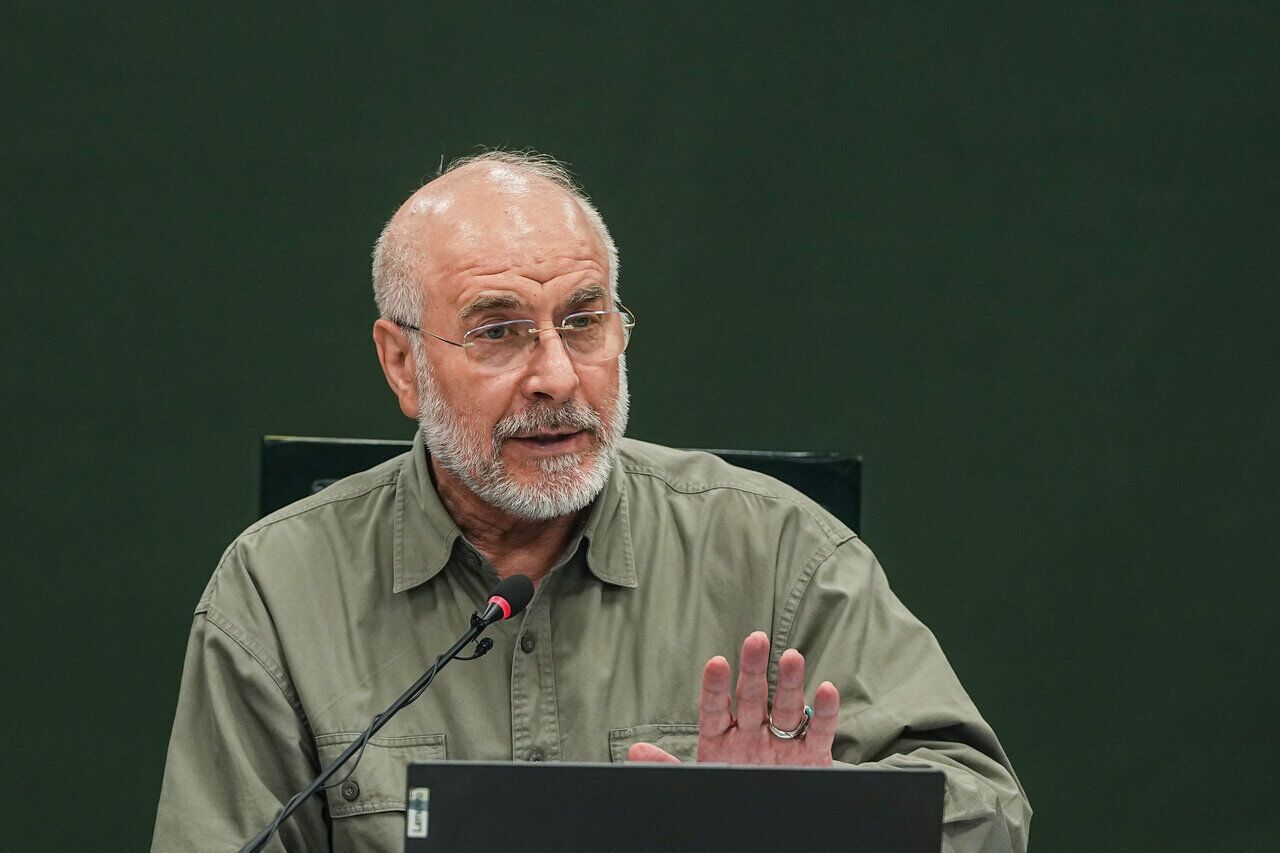
Iran's Parliament Speaker Says Sacred Defense Week Reflects Tested Experience in Defending National Dignity
Mohammad Bagher Ghalibaf described the annual commemoration as more than a historical recollection, according to Iranian state news agency IRNA.

Houthis Emerge as Key Player in Iran's Regional Network, Analysts Say
Following battlefield gains in Yemen, the Houthi movement is being described as increasingly central to Iran's so-called "axis of resistance," a role once dominated by Lebanon's Hezbollah.
Comments
Loading comments…