Historian Says France’s Political Turmoil Reflects ‘Fragmentation,’ Not Just Polarization
Dr. Andrew Smith argues Marine Le Pen’s strong polling stems from voter fatigue and disunity among rivals rather than an inevitable far-right surge, and calls for renewed participatory democracy.

France 24 presenter Carys Garland spoke with Dr. Andrew Smith, a historian of modern France and lecturer in Liberal Arts at Queen Mary University of London, about the state of French politics ahead of the next presidential election, according to France 24.
Smith said that Marine Le Pen and her National Rally party's commanding position in early presidential polling should not be seen as evidence of an inevitable far-right victory, France 24 reported. Instead, he argued their lead stems largely from three factors: the party's familiarity to voters, its internal unity, and a tightly focused campaign message.
More broadly, Smith said the polling numbers reflect a French electorate shaped by anger, anxiety, economic insecurity and political fatigue, according to the source. Rather than characterizing this environment simply as growing "polarization," he proposed the concept of "fragmentation" as a more accurate description of the current political landscape.
According to the interview, Smith suggested that addressing this fragmentation would require making a stronger case for participatory democracy, allowing citizens greater direct involvement in political decision-making as a counter to disillusionment with traditional party politics.
France 24 did not provide further details in the excerpt on specific policy proposals or a timeline for the presidential race.
Sources
- Amid France’s political 'fragmentation', 'a case needs to be made for participatory democracy’ — France 24 — English
EGazette summarizes reporting from multiple sources; follow the links for the originals.
Related articles

Iraq: Trial opens in Baghdad for six French nationals accused of joining ISIS
Despite calls for repatriation made by their lawyers, six French citizens who fought in the ranks of the Islamic State group saw their trial begin Sunday in Baghdad.

France's Wine Production Nears 70-Year Low Amid Climate Pressures
Heatwaves and drought have pushed French wine output toward its lowest level in seven decades, prompting the industry to weigh new markets, products and strategies, according to CNBC.

Back to School: Finding Housing, an Obstacle Course for Thousands of Students
As three million students returned to school in France, many are still struggling to find affordable housing amid insufficient supply and rising prices.

France to Summon Iran's Envoy Over Closure of French Language Centre in Tehran
Paris plans to call in Iran's ambassador after Tehran shut down a French-run language institute, which Iranian authorities accused of unspecified "illegal acts."
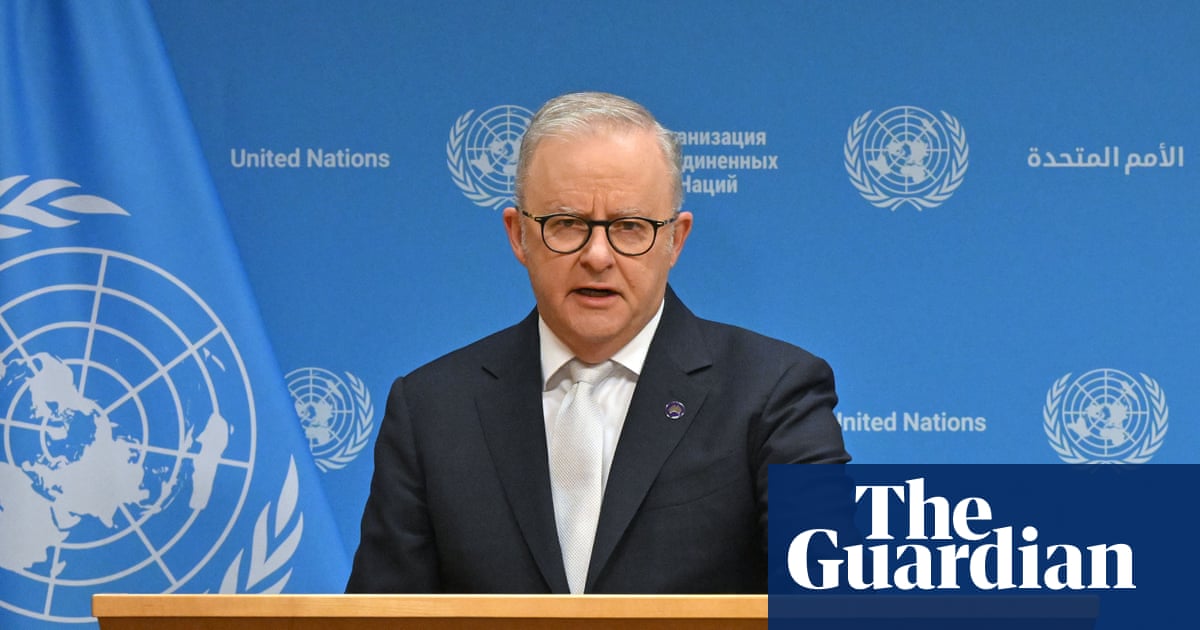
Albanese launches Australia's bid for UN Security Council seat, names former Murdoch aide as New York consul general
Prime Minister Anthony Albanese announced Australia's formal candidacy for a two-year term on the UN Security Council in 2029–2030, concurrent with appointing Siobhan McKenna, a former News Corp broadcasting executive, as consul general to New York.
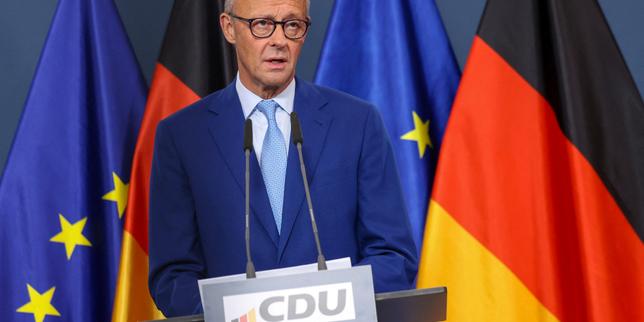
In Germany, Friedrich Merz's CDU suffers historic defeat in Eastern state
For the first time since 1949, the Christian Democratic Union has fallen below the 5% threshold in a regional election, the minimum required to gain seats in the local parliament.
Comments
Loading comments…