Hackers Say Flock Safety Cameras Capture Far More Than License Plates
A report by Ars Technica describes how security researchers who accessed Flock cameras found the devices logging far more data than advertised, including one unit that had stored 1.6 million images.
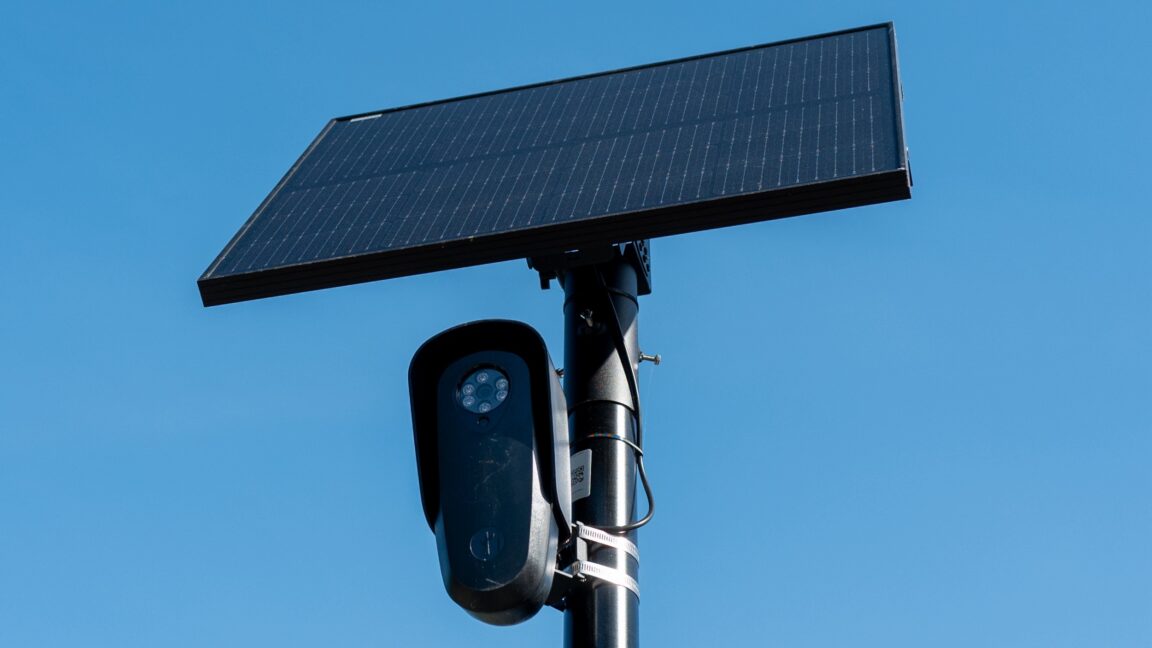
Security researchers who examined Flock Safety surveillance cameras found that the devices can capture and store far more information than the company has publicly described, according to a report published by Ars Technica.
The report said hackers who gained access to Flock camera systems discovered that the devices are capable of detecting not only vehicles and license plates but also people. One camera examined by researchers had accumulated roughly 1.6 million images, Ars Technica reported.
Flock Safety markets its automated license plate reader cameras to police departments, homeowners associations and private businesses across the United States as a tool for tracking vehicles linked to crimes. The Ars Technica report indicates that the cameras' actual data collection and detection capabilities extend beyond that marketed purpose, based on the findings of the researchers who accessed the devices.
The report did not specify further details about how the researchers obtained access to the cameras or what additional capabilities were identified beyond person detection and the volume of stored imagery. Ars Technica's account is based on the work of the hackers who examined the systems.
Flock Safety's technology has drawn scrutiny in recent years from privacy advocates concerned about the scale of vehicle and location tracking enabled by networks of automated cameras. The company has not been quoted in the excerpt of the report reviewed for this article.
This article is based on a report from Ars Technica; further details from the full investigation, including any response from Flock Safety, may provide additional context.
Sources
EGazette summarizes reporting from multiple sources; follow the links for the originals.
Related articles

Report Alleges LG TVs Record Audio and Track Viewing Even When Off; Verge Says Practice Is Industry-Wide
A lengthy video from tech outlet Gamers Nexus claims LG televisions can capture audio and monitor viewing habits while appearing powered down, prompting The Verge to argue similar data practices extend across the smart TV industry.

Australia Weighs Ban on Smart Glasses in Government Offices, BBC Reports
As authorities consider restricting the devices, the BBC canvassed reactions from residents in Sydney.

French Lawmaker Rima Hassan Files Complaint Against Interior Minister Over Alleged Secrecy Breach
Hassan accuses the French interior ministry of unlawfully monitoring her phone and movements before any formal investigation was opened, according to Anadolu Agency.

US Judge Signals Rejection of Part of TikTok's $400 Million Privacy Settlement
A federal judge has indicated he may reject a portion of a proposed $400 million settlement tied to a 2019 privacy consent decree affecting TikTok's predecessor, Musical.ly, according to CNBC.

Ukrainian Jet-Powered Interceptor Passes Key Tests, Reserves Speed to Engage Targets, Ukrinform Reports
A Ukrainian-made jet-powered interceptor has demonstrated sufficient speed reserves during testing to engage a range of aerial targets, according to Ukrainian news agency Ukrinform.

Trump Says US Will Create an ‘AI Force’ Modeled on Space Force
The US president did not specify whether the initiative would involve establishing a new branch of the armed forces, according to TASS.
Comments
Loading comments…