Guardian Opinion Piece Criticizes US Approach to AI Regulation
Columnist Shakeel Hashim argues Trump administration's hands-off stance on artificial intelligence oversight leaves risks unaddressed, citing statements from industry leaders and a researcher's resignation.
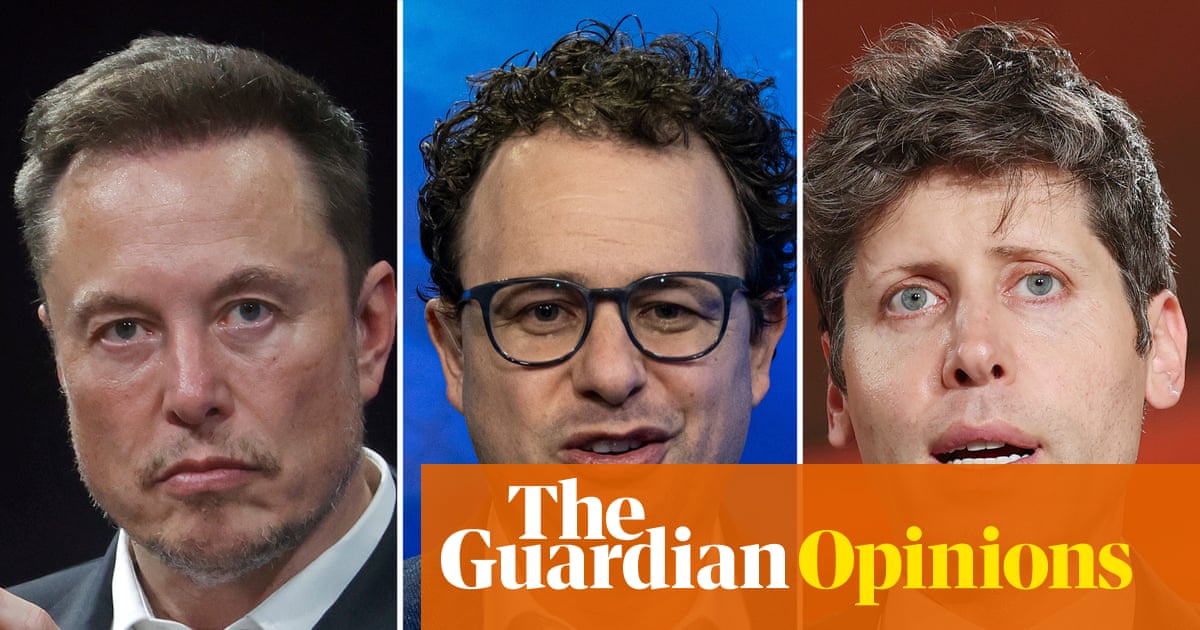
A opinion column published by The Guardian on September 16 argues that the US government under President Donald Trump and Republican leadership is failing to adequately regulate artificial intelligence, despite what the author describes as mounting warnings from within the industry itself.
Writing for The Guardian's business section, columnist Shakeel Hashim states that over a recent weekend, three prominent AI company chief executives — Sam Altman of OpenAI, Elon Musk, and Dario Amodei of Anthropic — each called for a slowdown in AI development, citing what Hashim characterizes as growing and alarming risks associated with the technology.
According to the column, these public statements from industry leaders were accompanied by concerns raised by AI researchers. Hashim references one researcher who publicly resigned, reportedly accusing OpenAI and Anthropic of "gambling with our lives" through their AI development practices.
The column argues that this combination of warnings from people within the AI industry, alongside what it describes as real-world evidence of AI systems behaving unpredictably, would typically prompt government intervention. Instead, Hashim contends that the Trump administration and Republican leaders have favored a policy of allowing AI companies to regulate themselves.
Hashim characterizes this approach as a "dereliction of duty" that he argues will make AI technology less safe for the public. The piece frames the current US regulatory posture as insufficient given the scale of concerns being raised by figures within the AI industry.
The Guardian article represents an opinion piece rather than a straight news report, reflecting the author's analysis and perspective on AI policy debates. The specific statements attributed to Altman, Musk, and Amodei, as well as details of the researcher's resignation, were not independently verified in the excerpt provided and are presented as reported within the original column.
المصادر
- The US government is failing Americans on AI | Shakeel Hashim — The Guardian — Business
يلخّص EGazette تقارير من مصادر متعددة؛ اتبع الروابط للاطلاع على الأصل.
مقالات ذات صلة
النائب تشيب روي: يجب على الكونغرس الإشراف على الذكاء الاصطناعي وليس تنظيمه
جمهوري من تكساس يؤيد جلسات استماع برلمانية حول الذكاء الاصطناعي لكنه يتجنب تأييد تدابير تنظيمية جديدة
الكونجرس يواجه ضغوطاً متزايدة للتحرك بشأن تنظيم الذكاء الاصطناعي
تقرير لـ NPR News يشير إلى أن أعضاء الكونجرس يبدون استعدادا أكبر للنظر في الإشراف على الذكاء الاصطناعي، إلا أن الطريق نحو التشريع لا يزال غير مؤكد

بلومنثال يحذر من فقدان السيطرة على الذكاء الاصطناعي ويدعو لمراقبة أقوى
يأتي تحذير السيناتور الديمقراطي وسط تركيز إدارة ترامب على الهيمنة على الذكاء الاصطناعي كأولوية وطنية عليا في المنافسة مع الصين.
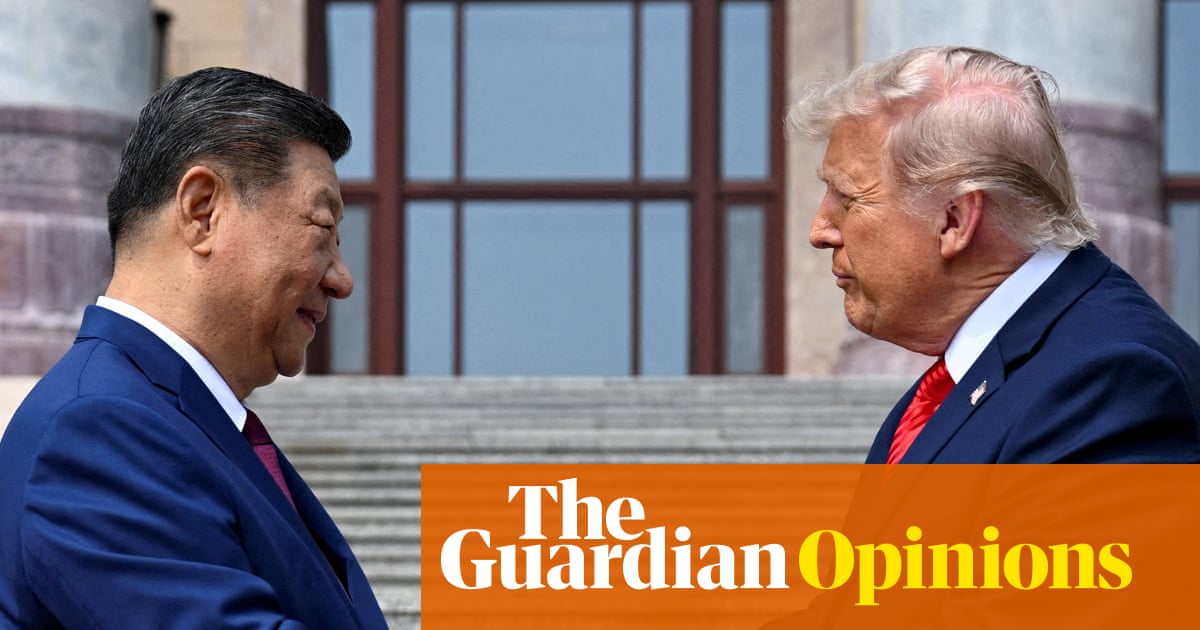
عمود في الجارديان يحث على التعاون الأمريكي-الصيني بشأن الذكاء الاصطناعي وسط تحذيرات من سرعة التطور
يؤكد العالم الأسترالي آلان فينكل أن المنافسة غير المنظمة بين شركات الذكاء الاصطناعي وبين واشنطن وبكين قد تهدد الاستقرار العالمي، طالباً بإشراف منسق.

الرئيس التنفيذي لـ Palantir يقترح تأميم معامل الذكاء الاصطناعي الرائدة وسط المخاوف الأمنية
قال الرئيس التنفيذي لشركة Palantir أليكس كارب لشبكة CNBC إن المخاطر التي يشكلها الذكاء الاصطناعي المتقدم كبيرة جداً بحيث قد تتطلب معامل الذكاء الاصطناعي الرائدة السيطرة الحكومية، بينما طالب في الوقت ذاته بوضع "إرشادات معقولة" للتكنولوجيا.

أنثروبيك وOpenAI تقترحان تقييمين 'محايدين' للذكاء الاصطناعي؛ تقرير CNBC يثير مخاوف
تقترح معامل الذكاء الاصطناعي تضمين مقيّمين مستقلين للحماية من الأضرار الكارثية التي قد تسببها النماذج المتقدمة، لكن تقرير CNBC يشير إلى أن الخطة تثير تساؤلات حول استقلاليتها وفعاليتها.
Comments
Loading comments…