Guardian Editorial Argues UK Complicity Enables Russian Disinformation
An editorial in The Guardian contends that while Russian disinformation poses a genuine threat, domestic actors and US technology platforms also play a role in amplifying it within the UK.
An editorial published by The Guardian argues that Russian disinformation represents a real foreign threat to the UK, but contends that an accusation made by Andy Burnham against the Kremlin tells only part of the story.
According to the editorial, domestic extremists and content amplified by major US technology companies form part of the same broader problem of information manipulation affecting British democracy. The piece references a 2020 warning from former US President Barack Obama, who described an "epistemological crisis" facing Western democracies as polarization and radicalization eroded trust in established sources of information.
An Opinion on Information Threats
The editorial frames the issue as one in which foreign interference and domestic amplification are intertwined, suggesting that addressing Russian disinformation alone would not fully resolve the broader challenge of maintaining a shared basis of fact in public discourse. This is the newspaper's own editorial position rather than a news report of new events.
The piece does not specify the exact nature of Burnham's accusation against the Kremlin beyond noting its existence, nor does it detail specific instances of amplification by named US technology firms.
As an opinion piece, this editorial reflects The Guardian's institutional viewpoint on the topic rather than an independently reported news account.
Sources
- The Guardian view on Russian disinformation: a foreign threat that relies on UK complicity | Editorial — The Guardian — Politics
EGazette summarizes reporting from multiple sources; follow the links for the originals.
Related articles
Readers React to Oxfordshire Village's Symbolic Vote to Leave the UK
Letters to The Guardian respond with a mix of amusement and skepticism to news that residents of Piddington voted to leave the UK in protest over a local asylum housing plan.
Readers Suggest the UK Should Draw on Folk Music to Improve Its Eurovision Fortunes
Letters to The Guardian respond to news of a UK parliamentary inquiry into the country's poor Eurovision record, with readers proposing folk music as an untapped resource.
Cartoonist Ben Jennings Depicts Andy Burnham's Meeting With Donald Trump
A new editorial cartoon by Ben Jennings offers a satirical take on Greater Manchester Mayor Andy Burnham's meeting with US President Donald Trump.
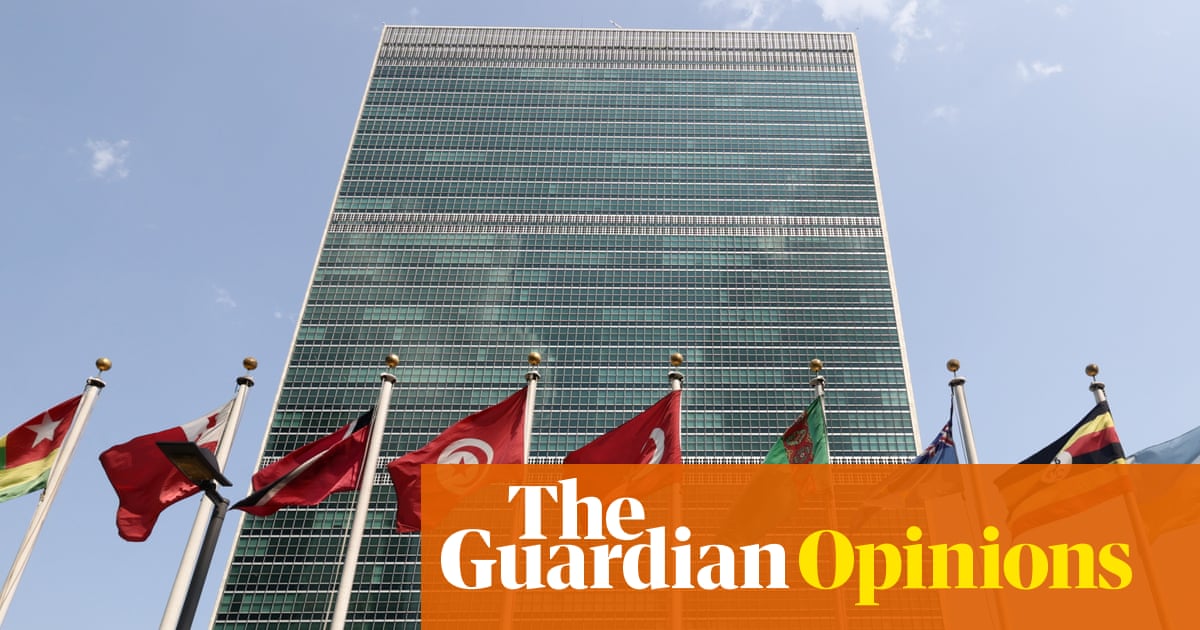
Guardian Editorial Says UN Faces Mounting Challenges as Guterres Prepares to Step Down
An editorial in The Guardian argues the United Nations is more embattled yet more necessary than ever, as Secretary-General Antonio Guterres approaches the end of his term amid a general assembly highlighting the organization's difficulties.
Russia's Total Gas Output Rises 3.4% to 446.5 bcm in January-August
Natural gas production over the eight-month period totaled 379 billion cubic meters, up 3.8% year-on-year, according to Russia's statistics service.

Logitech Unveils Blue Yeti 2 Microphone With Self-Adjusting Features
The successor to the popular USB microphone adds an interactive LED display, AI noise reduction and proximity-based voice sensing.
Comments
Loading comments…