Guardian Columnist Says Trump Administration's Fossil Fuel Push Reflects Cultural Symbolism, Not Just Economics
In an opinion piece, Moira Donegan argues that the perceived masculinity of coal and gas industries, more than their economic weight, helps explain the administration's rollback of emissions limits.
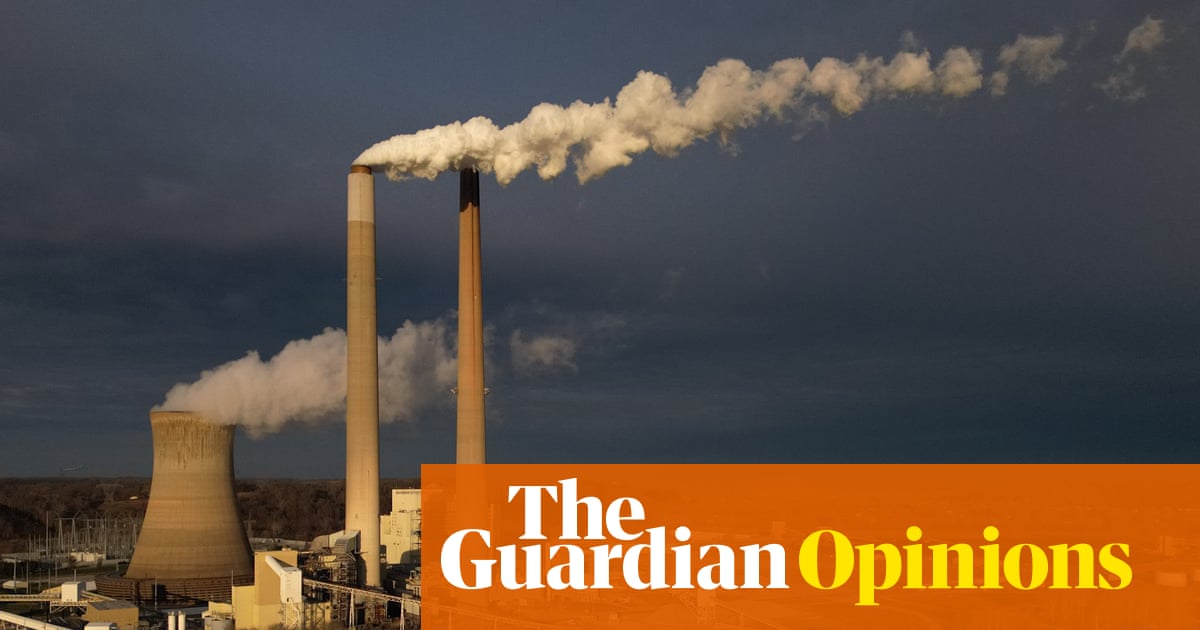
A recent opinion column by Guardian US columnist Moira Donegan examines the Trump administration's decision to remove limits on emissions from coal and gas plants, arguing that the policy is driven in part by cultural perceptions of the fossil fuel industry rather than purely economic considerations.
Donegan writes that despite the political prominence given to coal mining, the industry employs relatively few Americans. She cites Bureau of Labor Statistics data indicating that about 38,000 people work in the coal industry in the United States. By comparison, she notes that roughly 100,000 people are registered as yoga instructors with the Yoga Alliance, an industry group, meaning yoga instruction alone employs more people than the entire coal sector.
According to Donegan, this disparity illustrates a broader point: political rhetoric about the dignity of work and the American dream is rarely applied to industries like yoga instruction, even though such industries employ more workers than coal. She attributes this difference to cultural associations, describing coal mining as commonly perceived as "hardscrabble, honorable and masculine," while yoga is often viewed as "decadent, cosmopolitan and feminine."
Donegan's column frames the administration's approach to fossil fuel regulation as connected to these gendered perceptions of industry, suggesting that support for coal and gas extends beyond their direct economic contributions or workforce size.
The piece was published as commentary and reflects the author's own analysis and interpretation of the administration's policies rather than reporting of new regulatory actions.
Sources
- Trump’s love of fossil fuels is about more than money | Moira Donegan — The Guardian — Business
EGazette summarizes reporting from multiple sources; follow the links for the originals.
Related articles

Trump Reportedly to Create Board With Power to Veto NIH Research Grants
An expected executive order would give a new board oversight of National Institutes of Health funding decisions, according to reports citing administration discussions.

Trump Administration Does Not Consider US in War With Iran, Says House Speaker Johnson
House Speaker Mike Johnson said the Trump administration views the conflict with Iran as nearing its end, according to a report by Russian state news agency TASS.

Journalists From MS NOW, CNN and Politico Denied White House Access After Trump Media Ban
Reporters from three news outlets were turned away from the White House a day after President Trump barred the organizations over their coverage of him, according to CNBC.

US Court Blocks Trump Administration Plan to Deport Migrants to Third Countries
Judges rule migrants must be given a chance to raise safety concerns before being sent to nations other than their own

Stephen Miller Said to Lead Multi-Agency Push to Speed Removal of Migrant Children
The Guardian reports that the White House deputy chief of staff is coordinating an intensified effort across federal agencies to accelerate deportations of undocumented immigrant children, a drive critics describe as cruel and unlawful.
Scottish Labour's new leader backs North Sea oil and gas development
Michael Marra, elected Saturday as Scottish Labour's 11th leader, supports the Rosebank and Jackdaw oil and gasfields in his first major policy position.
Comments
Loading comments…