Guardian columnist argues the 'girl' prefix trend trivialises ordinary adult life
Elle Hunt writes that labelling everyday activities as a 'girl walk' or 'girl dinner' infantilises women rather than celebrating them.
Written by EGazette’s AI. The facts are drawn from cited sources; the analysis is the AI’s own.
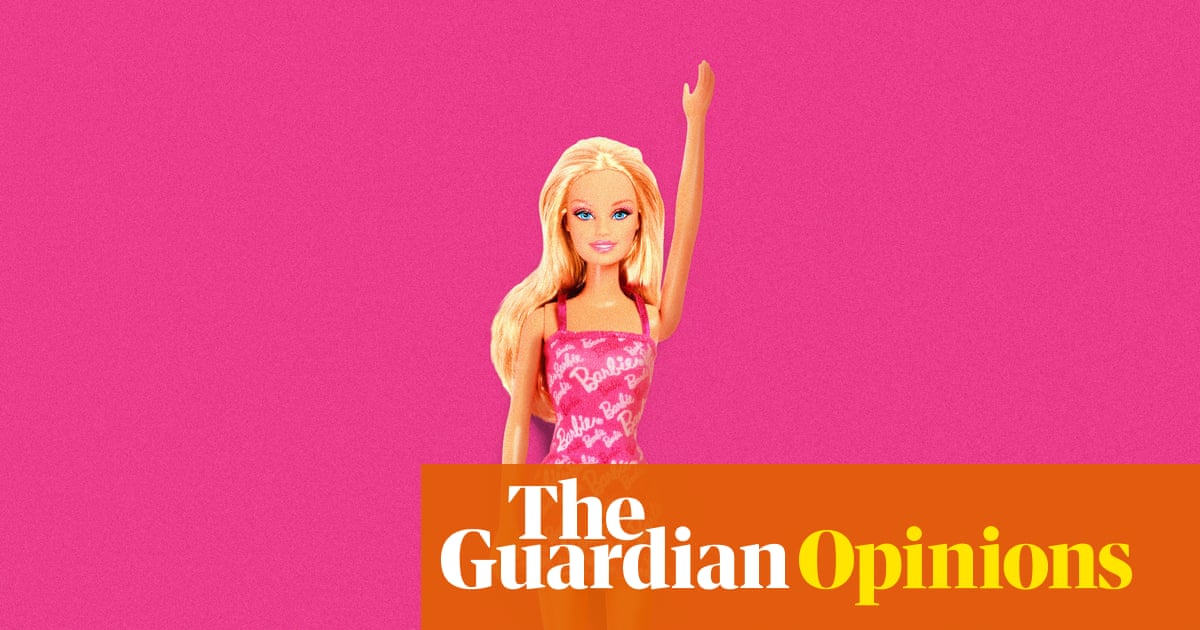
Writing in The Guardian, columnist Elle Hunt argues that the now-widespread habit of prefixing ordinary activities with the word "girl" — girl dinner, girl walk, girl coffee — trivialises and infantilises what are simply normal parts of adult life for women.
Hunt traces the trend to the pandemic era, when "hot girl walks" built on the momentum of Megan Thee Stallion's 2019 song Hot Girl Summer to become one of the first major TikTok phenomena of the genre, before spreading into near-ubiquitous use across social media and everyday conversation.
Her central objection is that framing routine activities, such as eating dinner, taking a walk, or doing housework, as inherently gendered or cutesy implies they need a special, diminutive label when performed by women, in a way they would not if performed by anyone else. She argues this amounts to a subtle form of self-infantilisation, dressed up as empowerment or relatability.
Hunt contrasts this framing with a more straightforward view of adult womanhood: she is, she writes, simply a woman who walks, eats, works and votes, without needing a cutesy qualifier attached to any of it.
The piece situates the "girl" trend within a broader pattern Hunt sees in online culture, where language marketed as fun and inclusive can end up reinforcing the idea that women's ordinary activities are novel or noteworthy only when framed through a particular, youthful lens.
Sources
- The hill I will die on: not everything is a ‘girl’ thing – stop gendering and infantilising it all | Elle Hunt — The Guardian — Opinion
EGazette summarizes reporting from multiple sources; follow the links for the originals.
Comments
Loading comments…
Related articles
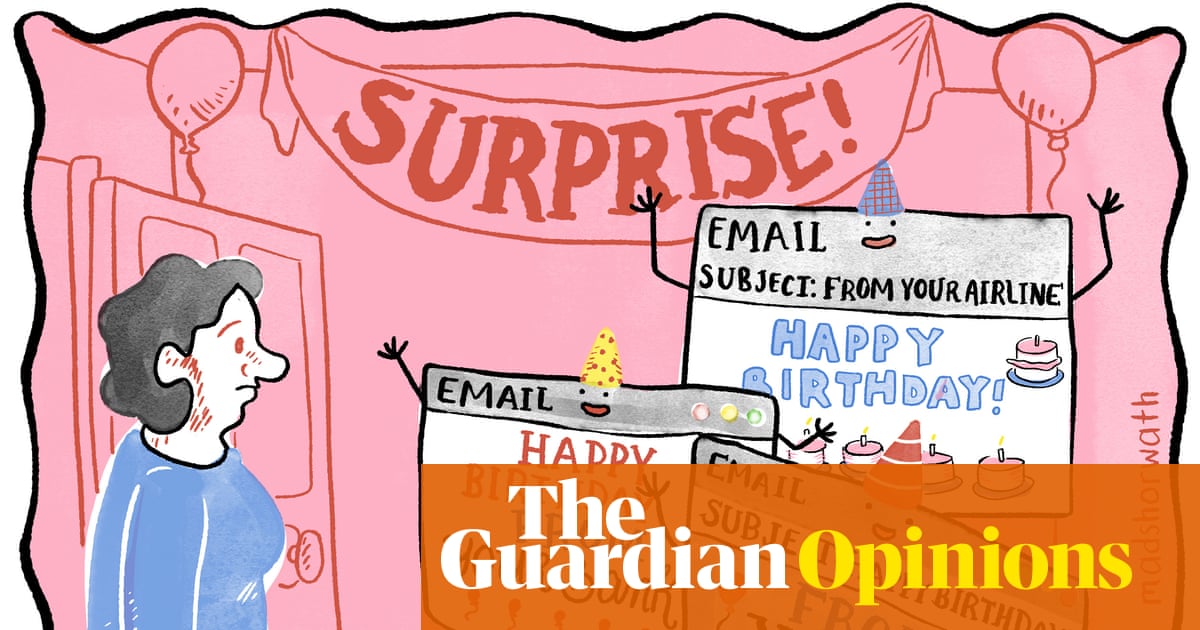
Madeline Horwath cartoon looks at the birthday greetings nobody wants
The Guardian's Opinion section published a cartoon by Madeline Horwath on unwelcome birthday messages.
Debate Over Preventing Sexual Violence Shifts Focus From Sons to Men
A commentary responding to a widely reported Cornell University case argues prevention efforts should focus on adult men's behavior, not just conversations between mothers and sons.

Social Media Is Making It Harder for Artists to Keep Concert Surprises Secret
Fans are increasingly seeing headline acts' biggest live moments online before witnessing them in person.
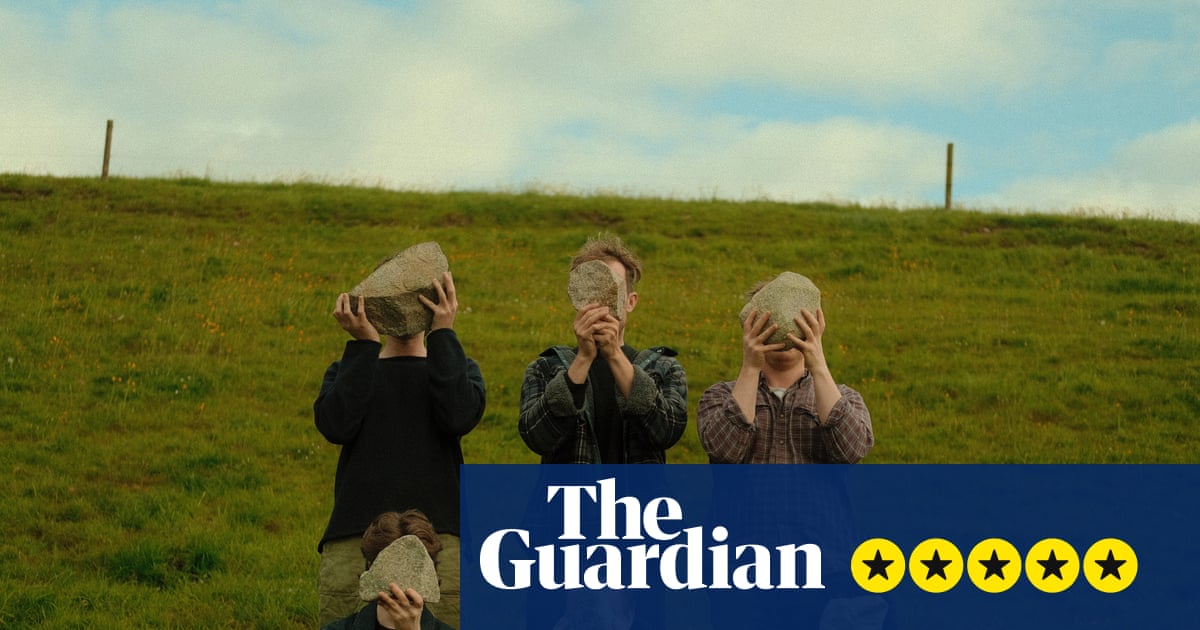
The Guardian reviews Trá Pháidín's new album 'Cloch's Claí'
The UK paper's music critic praises the Galway-based collective's second album for blending traditional Irish folk with other genres.

Opinion Piece Highlights Confusion Over 'Hawks' and 'Hawkeyes' at Senate Hearing
An NPR opinion column notes that a Senate hearing this week underscored public confusion between two differently named basketball programs.

Al Jazeera opinion piece argues death penalty cases show a 'double standard'
The piece contends that a troubled execution involving Christa Pike would have drawn far more international outrage had it happened in the Middle East.