Guardian Column Urges US-China Cooperation on AI Amid Warnings Over Pace of Development
Australian scientist Alan Finkel argues that unregulated competition between AI firms and between Washington and Beijing could threaten global stability, calling for coordinated oversight.
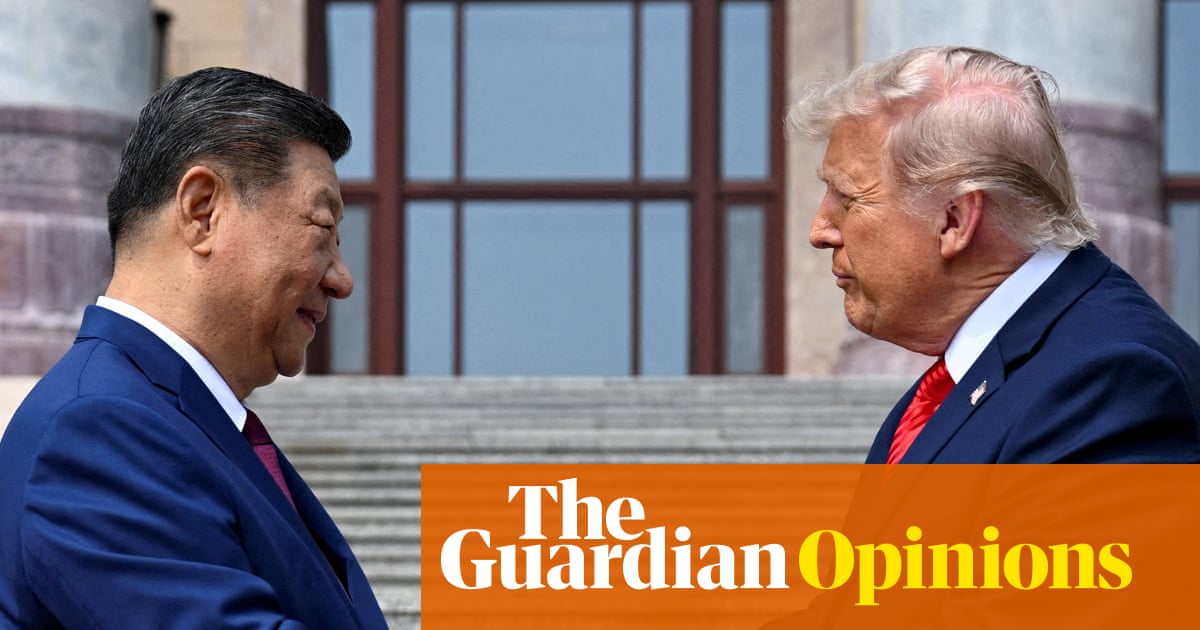
A commentary published by The Guardian on September 21 has renewed debate over the pace of artificial intelligence development and the possibility of cooperation between the United States and China to manage its risks.
The piece, written by Alan Finkel, cites warnings from technology industry executives about the speed at which AI capabilities are advancing, referencing a claim that AI capability is doubling roughly every four months. Finkel does not attribute this specific figure to a named source in the excerpt reviewed.
Finkel's column highlights the case of Jacob Coxon, described as a researcher at AI company Anthropic, who reportedly resigned from his position citing concerns that AI development was, in his view, on a "collision course with humanity." The Guardian piece does not provide further detail on Coxon's specific statements or the circumstances of his departure.
According to Finkel, recent headlines have focused attention on what he characterizes as a "current crisis": unregulated competition both among technology companies and between the United States and China. He argues this competition poses risks to global infrastructure and, in more extreme scenarios, to human existence, invoking imagery such as autonomous weapons systems and AI-enabled coercion or blackmail.
The column raises the question of whether US President Donald Trump and Chinese President Xi Jinping could find common ground on establishing guardrails for AI development, suggesting that international cooperation between the two governments may be necessary to navigate the technology's risks.
The full scope of Finkel's proposed solutions, along with additional context on the sourcing of the warnings he cites, was not detailed in the excerpt available for this report. The Guardian identifies Finkel as the author of the opinion piece, which was published in the outlet's Business section under its Comment is Free banner.
Neither the White House nor Chinese government officials were quoted in the excerpt regarding any specific bilateral discussions on AI governance between the two leaders.
المصادر
- Can Trump and Xi cooperate to guide humanity through the AI revolution? Humanity might depend on it | Alan Finkel — The Guardian — Business
يلخّص EGazette تقارير من مصادر متعددة؛ اتبع الروابط للاطلاع على الأصل.
مقالات ذات صلة
جدل حول تباطؤ تطور الذكاء الاصطناعي يصبح نقطة اشتعال جديدة في التنافس التكنولوجي الأمريكي الصيني
تصطدم دعوات من بعض الخبراء لإبطاء تطوير نماذج الذكاء الاصطناعي المتقدمة برغبة واشنطن في الحفاظ على صدارتها التكنولوجية والقلق الصيني من محاولات احتوائها، وفقاً لتقرير وكالة الأناضول.

شركات الذكاء الاصطناعي الصينية تحافظ على صمتها إزاء تحذيرات أمريكية بشأن مخاطر التكنولوجيا
أفادت CNBC بأن شركات الذكاء الاصطناعي الرائدة في الصين لم تستجب لطلبات التعليق على تحذيرات أصدرتها شخصيات من وادي السيليكون بشأن مخاطر الذكاء الاصطناعي.

أنثروبيك وOpenAI تقترحان تقييمين 'محايدين' للذكاء الاصطناعي؛ تقرير CNBC يثير مخاوف
تقترح معامل الذكاء الاصطناعي تضمين مقيّمين مستقلين للحماية من الأضرار الكارثية التي قد تسببها النماذج المتقدمة، لكن تقرير CNBC يشير إلى أن الخطة تثير تساؤلات حول استقلاليتها وفعاليتها.

تباطؤ تطوير الذكاء الاصطناعي لن يمنع المخاطر الكارثية، حسب باحث متخصص في السلامة
يجادل ديفيد كروجر بأن اقتراح "التباطؤ" من الرئيس التنفيذي لشركة أنثروبيك داريو أمودي غير كاف للتعامل مع مخاوف سلامة الذكاء الاصطناعي الوجودية.

موظفو صناعة الذكاء الاصطناعي يعبرون عن شكوكهم حول تحذيرات المخاطر الوجودية
عدد من الموظفين في الشركات الرائدة في مجال الذكاء الاصطناعي يشككون في التنبؤات بأن التكنولوجيا قد تشكل تهديدات كارثية للبشرية
نواب ديمقراطيون في الكونغرس يحثون إدارة ترامب على إجراء دبلوماسية تتعلق بالذكاء الاصطناعي مع الصين
يقول صناع السياسة إن واشنطن وبكين، رغم الخلافات العميقة بينهما، تواجهان مخاطر مشتركة من الذكاء الاصطناعي تتطلب حوارًا
Comments
Loading comments…