Guardian Analysis Explores How AI Could Reshape Capitalism
A Guardian technology and business commentary traces centuries-old ideas about automation and inequality, arguing society retains a choice in how AI reshapes the economy.
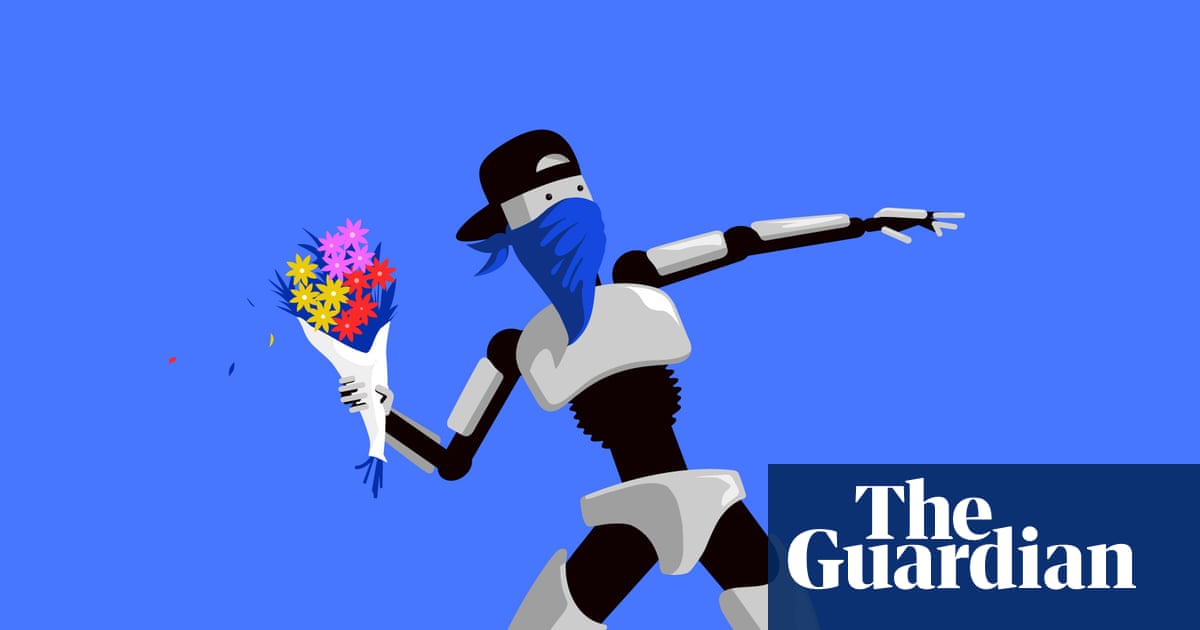
A commentary published by The Guardian's Business section on September 13, 2026, examines how artificial intelligence may transform capitalism, framing the debate within a long history of philosophical and economic thought about automation.
According to the article, the notion that autonomous, thinking machines could one day destroy property, hierarchy and inequality dates back to ancient Greek philosophy. The piece cites Aristotle's Politics, in which the philosopher references a fantasy from the Iliad describing machines that act independently of human direction. Aristotle is quoted as writing that if tools could perform their own work — if shuttles wove and quills played harps of themselves — then craftsmen would not need assistants, nor masters need slaves.
The article also references Karl Marx's writings from 1858, in which he envisioned the replacement of intellectual property with what he called "socialised knowledge," merging into a collective "general intellect" that would fundamentally undermine the foundations of capitalism.
The Guardian piece argues that technology is poised to drastically reshape the modern economy, and asserts that it remains within society's power to determine what that transformation ultimately looks like, rather than treating the outcome as predetermined by the technology itself.
The commentary situates current debates about AI's economic impact within this broader historical context, suggesting that questions about automation's relationship to labor, property and inequality have persisted across centuries of political and economic thought, from ancient philosophy through 19th-century political economy to contemporary discussions of artificial intelligence.
Sources
- AI will transform capitalism – but how? — The Guardian — Business
EGazette summarizes reporting from multiple sources; follow the links for the originals.
Related articles
Trump Announces Formation of ‘AI Force,’ Names ‘AI Czar’ to Oversee It
US President Donald Trump said the new body would not impede the artificial intelligence industry’s expansion, according to Anadolu Agency.
Guardian Column Urges US-China Cooperation on AI Amid Warnings Over Pace of Development
Australian scientist Alan Finkel argues that unregulated competition between AI firms and between Washington and Beijing could threaten global stability, calling for coordinated oversight.

Trump Says US Will Create an ‘AI Force’ Modeled on Space Force
The US president did not specify whether the initiative would involve establishing a new branch of the armed forces, according to TASS.

Texas QB Arch Manning Apologizes Over Reaction to AI Video
Manning called his comment "insensitive" after reacting to an AI-generated video showing coach Steve Sarkisian appearing to slap ESPN reporter Holly Rowe.

China Pushes Back on US Warnings to Slow AI Development, Guardian Reports
Beijing officials and businesses argue calls for caution are designed to preserve America's technological lead, according to a Guardian report

Bessent, China's He Lifeng Set for Talks on AI, Trade and Critical Minerals
U.S. Treasury Secretary Scott Bessent and Chinese Vice Premier He Lifeng are expected to discuss artificial intelligence, trade and critical minerals, Reuters reported.
Comments
Loading comments…