Gray whales washing up dead on West Coast; scientists cite starvation
Researchers attribute the unusual die-off to a collapse in the whale's food supply linked to warming ocean waters.
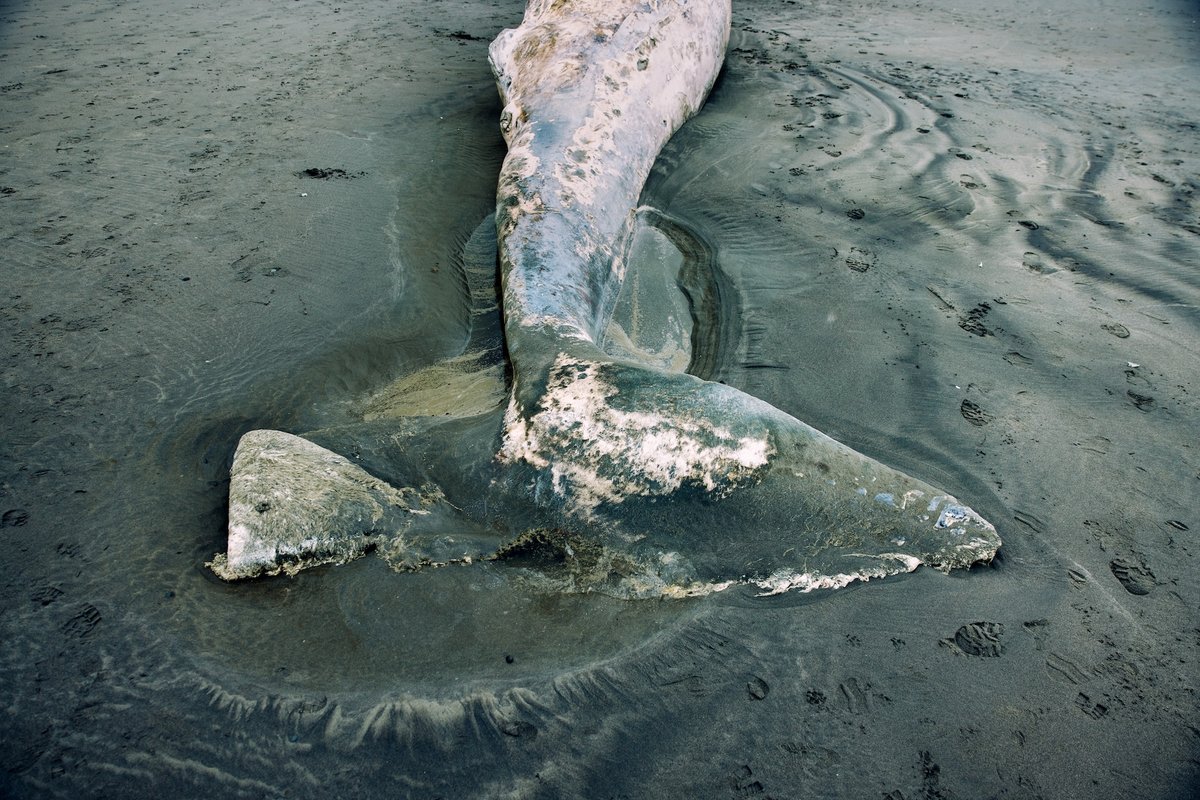
Dead gray whales have been washing ashore along the Pacific coast in elevated numbers, prompting scientific investigation into the cause. Scientists studying the phenomenon say the whales are starving due to a disruption in their food sources, according to Scientific American.
The die-off is believed to be connected to warming ocean temperatures that have affected the availability of small crustaceans and other prey that gray whales rely on during their migration and feeding seasons. Researchers continue to monitor the situation to better understand the scale and long-term implications of the trend.
Sources
- Gray whales are washing up dead on the West Coast. The reason is alarming — Scientific American
EGazette summarizes reporting from multiple sources; follow the links for the originals.
Related articles

Hummingbird Hawk Moths and Ivy Bees Reported Thriving as Temperatures Rise
BBC Science & Environment reports sightings of insects often mistaken for small birds, linked to warming conditions in parts of the UK

Community investigates cause of dying ginkgo tree
A neighborhood rallies to save a beloved ginkgo tree facing an unexplained decline, investigating whether sabotage is to blame.

Prince William Urges Faster Action on Climate Solutions
The Prince of Wales told the BBC the world must "accelerate" efforts to address climate challenges as nominees for his Earthshot Prize were unveiled.

Russian Scientists Identify Previously Unknown Warm Surface Current in Arctic
Researchers say data from 25 Arctic expeditions spanning nearly three decades helped trace the source of an unrecognized warm water flow

Volunteer Group Marks Ten Years Clearing Debris From UK Harbour
From an inflatable doll to a games console, members say the harbour clean-up project continues to surprise them a decade on
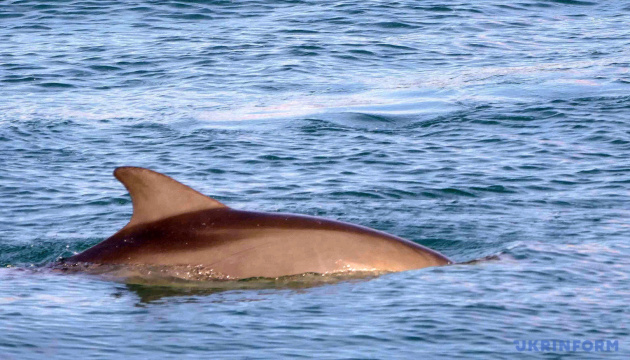
Black Sea Dolphin Population May Need Up to 50 Years to Recover, Environmentalist Says
Preliminary scientific estimates suggest cetacean numbers in the Black Sea, diminished by wartime hostilities, could take decades to return to prewar levels.
Comments
Loading comments…