Grand Jury Declines to Indict in Death of Mississippi Teen Nolan Wells
A grand jury has declined to bring charges in the death of Nolan Wells, a Black Mississippi teenager who died on an island off the state's coast on July 4th, leaving his family with unanswered questions about whether race played a role.

A grand jury has declined to indict anyone in connection with the death of Nolan Wells, a Black teenager from Mississippi who died on an island off the state's coast on July 4th, leaving his family and community with lingering questions about what happened.
The decision not to pursue charges closes one avenue of potential legal accountability in the case, even as the circumstances surrounding Wells' death remain a source of concern for his family.
Questions about race and circumstance
Wells' family has publicly questioned whether his race played a role in the events leading to his death, a concern that reflects broader, long-running scrutiny of how law enforcement and legal systems handle cases involving Black victims in the United States.
The grand jury process, which determines whether sufficient evidence exists to bring formal charges, is often the first major legal checkpoint in cases involving a death under contested circumstances. A decision not to indict does not necessarily resolve public or family concerns about how the incident was investigated or handled.
Cases like this one often draw attention not only for their individual circumstances but also for what they represent within wider conversations about accountability, particularly in communities that have historically expressed distrust of how such deaths are investigated.
It remains unclear whether the Wells family or civil rights advocates intend to pursue further avenues, such as a civil suit or renewed calls for an independent review, following the grand jury's decision.
Sources
EGazette summarizes reporting from multiple sources; follow the links for the originals.
Related articles
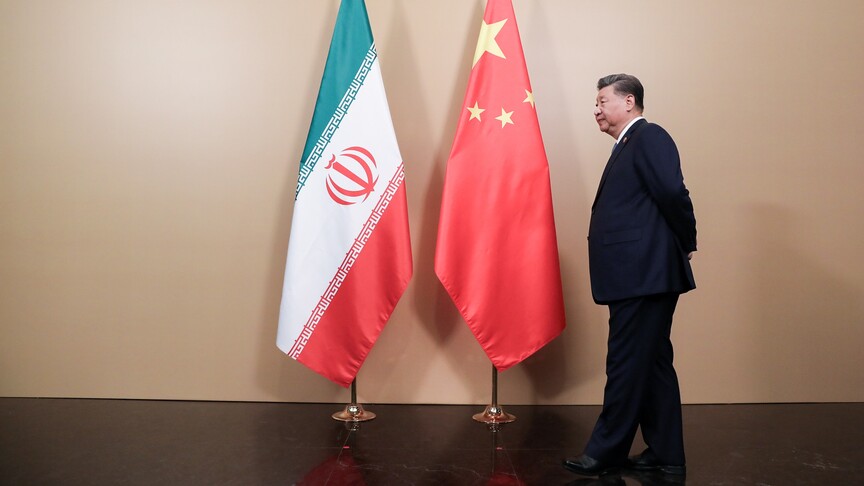
US ambassador says Trump told Xi that Chinese support for Iran would be 'totally unacceptable'
Ambassador David Perdue said Washington remains concerned about possible indirect Chinese support for Iran, a message he said President Trump conveyed to President Xi Jinping.
The US has removed key sanctions on Eritrea as Houthi attacks disrupt Red Sea shipping and fighting escalates in Ethiopia's Tigray region
A report from Deutsche Welle — English sets out the main available details, with claims kept attributed to their sources.
A HRW report shows Why South Korean women face systemic barriers to climbing the career ladder
A report from Deutsche Welle — English sets out the main available details, with claims kept attributed to their sources.
The treaty aims to support the countries of the world prepare for — and defeat — any future pandemic
A report from NPR News sets out the main available details, with claims kept attributed to their sources.

Report: Rory Stewart on his viral Newsnight moment
A report from BBC Politics sets out the main available details, with claims kept attributed to their sources.

Report: Ed Sheeran's next US concerts cancelled due to storm warning
A report from BBC Entertainment & Arts sets out the main available details, with claims kept attributed to their sources.
Comments
Loading comments…