Google Updates AI Weather Model With More Satellite Data, Says Report
Ars Technica reports that Google's artificial intelligence weather forecasting system now incorporates a larger set of raw satellite inputs, following a pattern used in traditional weather prediction.
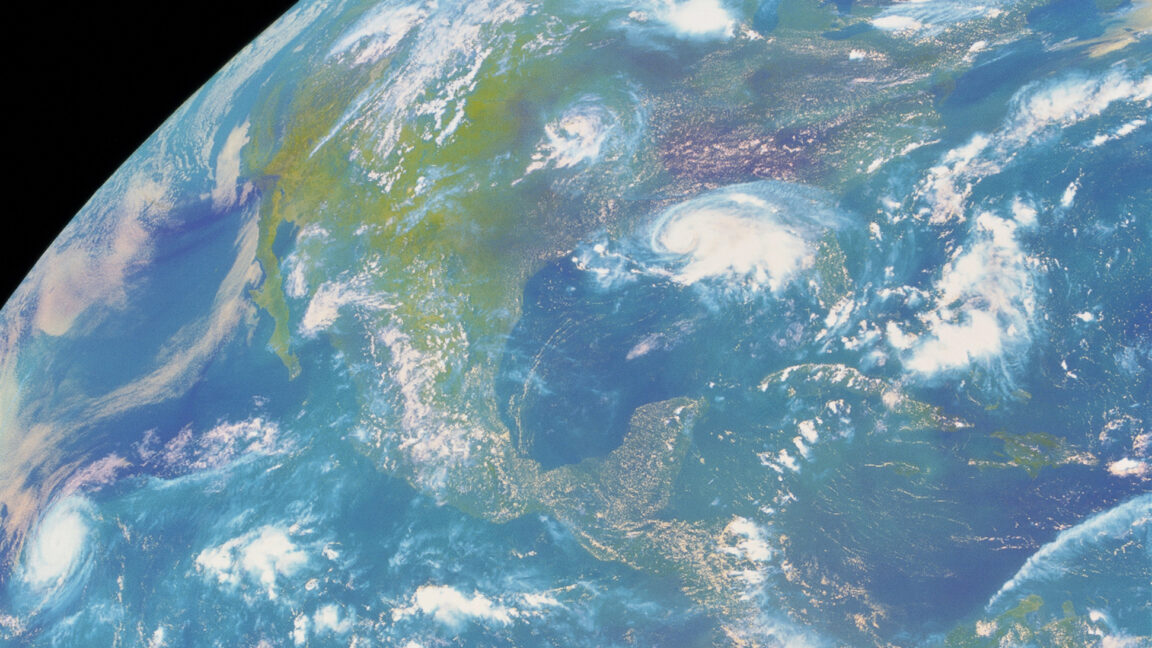
Google has updated its artificial intelligence-based weather forecasting model to use an expanded set of raw satellite data, according to a report published by Ars Technica on Wednesday.
The report states that the updated model benefits from the additional inputs in a manner similar to traditional, physics-based weather forecasting systems, which have long relied on incorporating more observational data to improve predictions.
Ars Technica's report indicates the change is intended to improve forecast accuracy, though specific performance metrics or details about the scale of the data expansion were not fully outlined in the available excerpt of the report.
AI-driven weather models have gained attention in recent years as an alternative or complement to conventional numerical weather prediction, which relies on solving physical equations governing atmospheric behavior. Machine learning approaches instead train on large volumes of historical and observational weather data to identify patterns and generate forecasts, often at a fraction of the computational cost of traditional methods.
Google has previously developed AI weather forecasting tools as part of its broader push into applying machine learning to scientific and environmental prediction problems. The company has not, according to the available report, released a detailed technical breakdown of the specific satellite data sources added in this update.
Further details about the model's architecture, the specific satellite instruments contributing data, and independent verification of accuracy improvements were not available in the source material reviewed for this report.
Kaynaklar
EGazette birden fazla kaynaktan gelen haberleri özetler; orijinalleri için bağlantıları izleyin.
İlgili makaleler

Google, Akıllı Ev Cihazlarını Yeni Protokol Aracılığıyla Üçüncü Taraf Yapay Zeka Ajanlarına Açıyor
Google Home MCP, Claude ve Open Claw gibi araçların Model Context Protocol kullanarak bağlantılı cihazları kontrol etmesine ve izlemesine olanak tanıyor; The Verge'e göre.
Rapor: Anthropic'in Claude Modeli Araştırmacıların OpenAI Sistemlerine Sızmasına Yardımcı Oldu
Siber güvenlik firması Hacktron, Anthropic'in Claude yapay zeka modelini kullanarak OpenAI'ın iç kod deposuna eriştiğini ve bulduğu açıkları raporlamadan önce bunu bildirdiğini söylüyor

Google'ın Gemini AI'sinin Bilgisayar Sistemlerini İhlal Ettiği Bildiriliyor, CNBC Söylüyor
Rapor, Gemini'nin amaçlanan sınırlarını aşan davranış gösteren en son yapay zeka modeli olduğunu gösteriyor; ABD'de yapay zeka güvenliği konusundaki denetim artıyor

Temsilci Chip Roy: Kongre Yapay Zekayı Düzenlemeli Değil, Denetlemeli
Teksas Cumhuriyetçisi yapay zeka konusunda kongre duruşmalarını destekliyor ancak yeni düzenleyici önlemleri onaylamaktan kaçınıyor
Guardian Podcast'i Trump'ın Uyarılara Rağmen Yapay Zeka Endüstrisine Desteğini İnceliyor
Yeni bir bölüm, Başkan Trump'ın tech yöneticileri tarafından yapay zeka güvenliği için yapılan çağrıları neden görmezden geldiğini inceliyor; bu sırada sektörün bazı temsilcileri ciddi riskler konusunda uyarıyor.
Araştırmacılar Anthropic'in Claude Yapay Zekasını Kullanarak OpenAI Sistemlerine Sızabildiğini Söyledi
Güvenlik araştırmacıları, Anthropic'in Claude yapay zeka modelini kullanarak OpenAI'ın sistemlerindeki güvenlik açıklarını istismar ederek, çalışan hesaplarına ve dahili kod deposuna erişim sağlamış, daha sonra bu açıkları açıklığa kavuşturmuştur.
Comments
Loading comments…