Google DeepMind Alumni Launch Fusionality to Accelerate Fusion Power Development
The startup is building control systems and simulation tools to help fusion power companies advance their technology.

Fusionality, founded by former Google DeepMind researchers, is developing software tools designed to accelerate fusion power startups' progress toward grid-ready technology. The company is creating control systems and simulation environments to help teams manage the complex dynamics of fusion reactors.
The startup's focus on simulation and control addresses key technical bottlenecks in the fusion industry, where startups have typically built these capabilities independently, often duplicating effort across the sector.
Sources
EGazette summarizes reporting from multiple sources; follow the links for the originals.
Related articles

Vals AI Aims to Set Standard for Neutral AI Model Benchmarking
Backed by venture firm Andreessen Horowitz, Vals AI is positioning itself as a trusted, independent resource for evaluating artificial intelligence models, according to a report by TechCrunch.
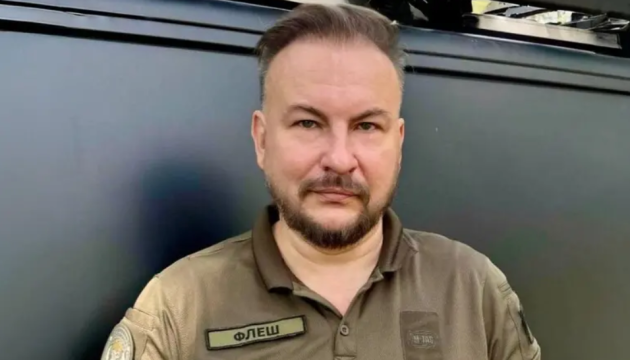
Ukrainian Jet-Powered Interceptor Passes Key Tests, Reserves Speed to Engage Targets, Ukrinform Reports
A Ukrainian-made jet-powered interceptor has demonstrated sufficient speed reserves during testing to engage a range of aerial targets, according to Ukrainian news agency Ukrinform.
Trump Says US Will Create an ‘AI Force’ Modeled on Space Force
The US president did not specify whether the initiative would involve establishing a new branch of the armed forces, according to TASS.

TechCrunch Sets Sept. 25 Deadline for Discounted Disrupt 2026 Tickets
Early ticket pricing for the annual technology conference is set to expire in six days, according to TechCrunch.

China Pushes Back on US Warnings to Slow AI Development, Guardian Reports
Beijing officials and businesses argue calls for caution are designed to preserve America's technological lead, according to a Guardian report

Homoglyph attacks: how scammers use nearly identical URLs to steal credentials
Fraudsters are exploiting character substitution—replacing Latin letters with lookalike Cyrillic or other Unicode characters—to create fake websites that pass casual inspection.
Comments
Loading comments…