Four dead as Typhoon Dujuan brings heavy rain and wind to Japan
The storm lashed Tokyo and surrounding areas with strong winds and heavy rainfall before pulling away from the Japanese coast.

At least four people have died after Typhoon Dujuan swept across parts of Japan, bringing heavy rain and powerful winds to Tokyo and surrounding regions before moving away from the country.
The storm’s passage disrupted daily life in the capital and nearby areas as authorities and residents contended with the associated flooding risks and wind damage typical of major typhoons striking the Japanese archipelago. While the full scope of the damage caused by Dujuan has not been detailed, the confirmed death toll underscores the severity of the storm’s impact.
A recurring seasonal threat
Japan is regularly affected by typhoons during the late summer and autumn months, as warm sea surface temperatures in the Pacific fuel storm systems that track toward the archipelago. Tokyo and the densely populated Kanto region are particularly vulnerable given the concentration of population and infrastructure, meaning even typhoons that do not make a direct, prolonged landfall can still cause significant disruption through heavy rainfall and gusting winds.
Local authorities in affected areas typically respond to such storms with evacuation advisories, transport suspensions, and warnings about landslides and flooding in low-lying or hillside areas, though specific measures taken in response to Dujuan have not been confirmed.
The storm’s departure from Japanese territory offers some relief, though authorities often continue to monitor for secondary effects such as swollen rivers, waterlogged ground, and lingering infrastructure damage in the days following a typhoon’s passage.
Japan’s meteorological agency and disaster management authorities routinely track such systems closely, given the country’s exposure to a steady succession of typhoons each year, several of which can cause fatalities and substantial property damage even after their peak intensity has passed.
Sources
- Four dead after powerful Typhoon Dujuan lashes Japan — BBC News — World
EGazette summarizes reporting from multiple sources; follow the links for the originals.
Related articles
Report: Military aircraft crashes near US air base in Spangdahlem, Germany
A report from Deutsche Welle — English sets out the main available details, with claims kept attributed to their sources.
Report: Red Sox commit to Tracy as long-term manager, keep Breslow through 2030
A report from ESPN sets out the main available details, with claims kept attributed to their sources.
Report: Fantasy basketball: Sleepers, breakouts and busts for 2026-27
A report from ESPN sets out the main available details, with claims kept attributed to their sources.
Report: MMA divisional rankings: No denying Tsarukyan's rise at lightweight
A report from ESPN sets out the main available details, with claims kept attributed to their sources.
Report: John Cena card from his final WrestleMania sells for record-breaking amount
A report from ESPN sets out the main available details, with claims kept attributed to their sources.
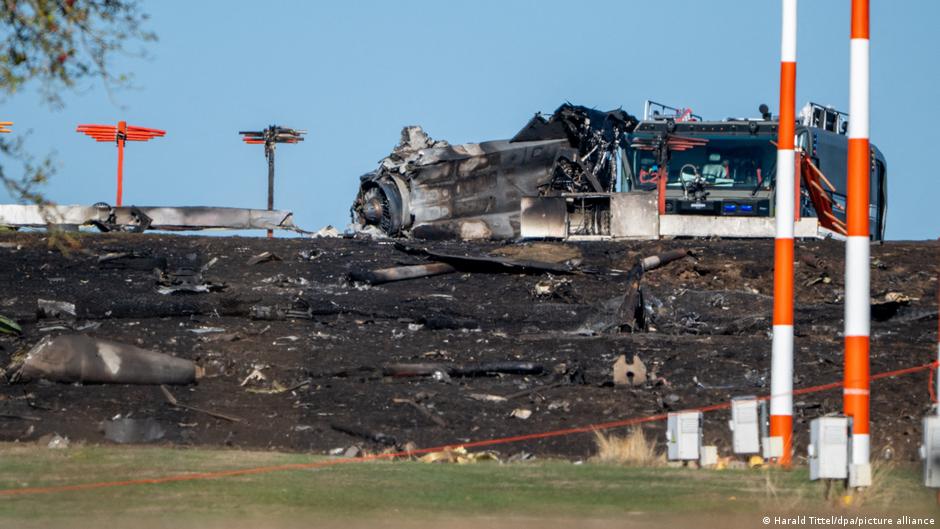
Report: Spangdahlem: Military aircraft crashes near US air base
A report from Deutsche Welle — English sets out the main available details, with claims kept attributed to their sources.
Comments
Loading comments…