Film Review: Take It or Leave It Revisits Madness's Formative Years
The 1981 docufiction captures the early days of the British ska-pop band with gritty, atmospheric authenticity.
Written by EGazette’s AI. The facts are drawn from cited sources; the analysis is the AI’s own.
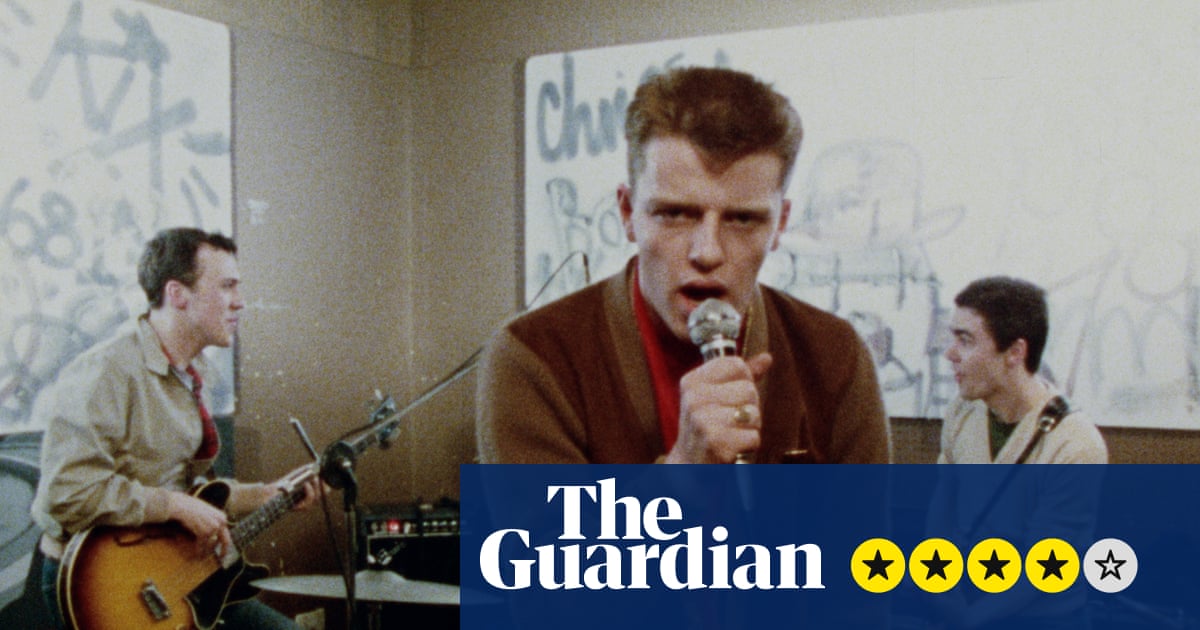
A newly revisited 1981 docufictional comedy, Take It or Leave It, offers a vivid portrait of the formative years of the British band Madness, tracing the group's journey from their origins in 1976 through to their commercial breakthrough.
The film follows the band members through north London neighborhoods including Camden Town, Stoke Newington and Crouch End, depicting their lives before fame with what reviewers describe as an atmospheric, almost documentary-like authenticity.
Blending comedic and dramatic elements, the film presents the young musicians as largely unknown and without resources, driven primarily by their passion for music during the period before Madness became established as one of Britain's most recognizable ska-pop acts.
Critics reassessing the film note its ability to capture a specific working-class London milieu of the late 1970s, offering both humor and a sense of hardship in depicting the band's early struggles.
The film remains a notable example of docufiction from the era, valued by music and film historians alike for its portrayal of a formative period in British pop music history.
Sources
- Take It or Leave It review – vividly atmospheric formative adventures of future pop princes Madness — The Guardian — Culture
EGazette summarizes reporting from multiple sources; follow the links for the originals.
Comments
Loading comments…
Related articles
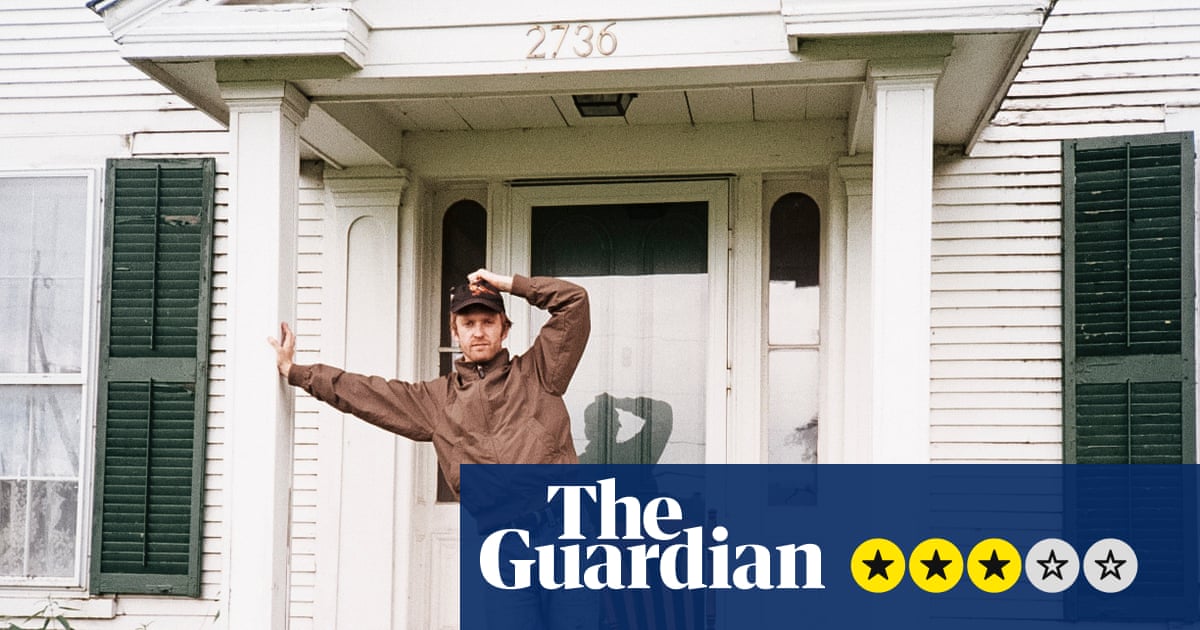
Review: Greg Freeman's 'All Set the Bone' is an ambitious but uneven alt-country double album
The Maryland singer-songwriter's expansive third record follows his acclaimed breakout 'Burnover' but spreads its talents thin across a double-album format.

New assassin thriller Jackie draws comparisons to Killing Eve, but critics say it falls short
The crime-comedy-thriller starring Catherine Zeta-Jones follows an art dealer secretly working as a hitwoman, though reviewers have questioned its plotting.
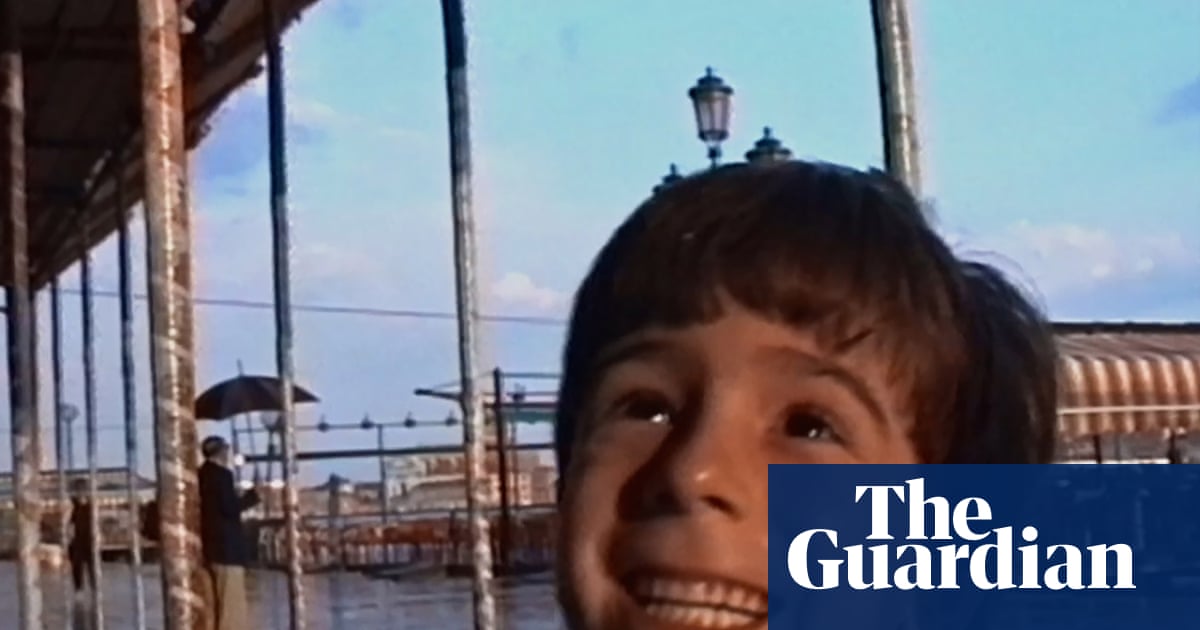
Documentary-maker Ross McElwee turns the camera on grief after son's death at 27
In his new film Remake, McElwee revisits decades of home footage of his son Adrian to confront loss, guilt and memory.

Murder Before Evensong Review: Richard Coles's Village Mystery Finds Snug Home at Watermill
A stage adaptation of Richard Coles's cosy clerical whodunit impresses in parts but strains under a crowded cast of suspects and victims.

Violinist Geneva Lewis Impresses With All-American Debut Album
The New Zealand violinist's label debut features works by Barber, Zorn and Glass performed with the BBC Scottish Symphony Orchestra.

Book Review: Alice Oswald's Rhapsody Traces Poetry From Homer to Ted Hughes
The former Oxford professor of poetry's first full-length prose work doubles as an argument for poetry's role in defending the natural world.