Federal Flood Insurance Creates Perverse Incentive for Coastal Homeowners to Abandon Properties
NPR investigation finds FEMA's flood insurance structure leaves some homeowners better off financially if they let homes collapse rather than repair them.
An NPR investigation into federal flood insurance policy in coastal areas has found that the current FEMA system creates financial incentives for homeowners to let properties deteriorate rather than invest in repairs or maintenance. The analysis indicates that in some cases, homeowners face lower long-term costs by abandoning structures than by attempting to preserve them.
The findings highlight what NPR characterizes as an "upside-down" system where the economics of federal flood insurance policies may inadvertently discourage property preservation in high-risk coastal zones, leaving homeowners with limited viable financial options for protecting their investments.
Sources
EGazette summarizes reporting from multiple sources; follow the links for the originals.
Related articles

US Recalls Over a Billion Products in Six Months
A surge in product safety issues prompted widespread recalls across multiple industries in a half-year period.

US National Debt Passes $40 Trillion as Era of Cheap Borrowing Ends, Report Says
A new report from Deutsche Welle examines whether investors will keep financing Washington's deficits as government debt levels reach unprecedented heights.

Stock Futures Edge Higher After Dow's Third Straight Losing Week
Wall Street looks to steady itself after a mixed week for major indexes, according to CNBC.

France's Wine Production Nears 70-Year Low Amid Climate Pressures
Heatwaves and drought have pushed French wine output toward its lowest level in seven decades, prompting the industry to weigh new markets, products and strategies, according to CNBC.

Back to School: Finding Housing, an Obstacle Course for Thousands of Students
As three million students returned to school in France, many are still struggling to find affordable housing amid insufficient supply and rising prices.
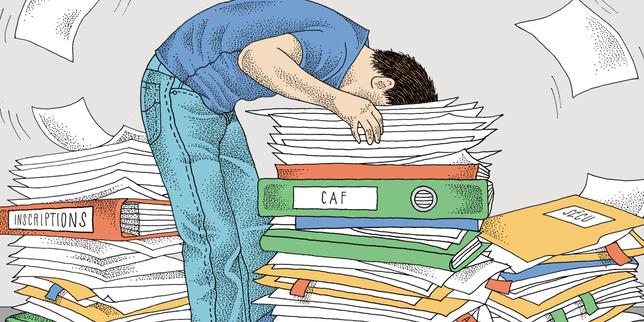
Grants, Family Benefits, Taxes: The Administrative Maze Facing Young Adults
According to Le Monde, many young people discover a bureaucratic "ordeal" upon reaching adulthood, navigating forms and digital platforms, and sometimes missing out on aid they would be eligible for.
Comments
Loading comments…