Fed Raises Interest Rates for First Time This Year, NPR Explainer Breaks Down the Mechanics
NPR News reports the Federal Reserve increased its benchmark rate this week, and outlines in a new explainer how the move ripples through the economy.
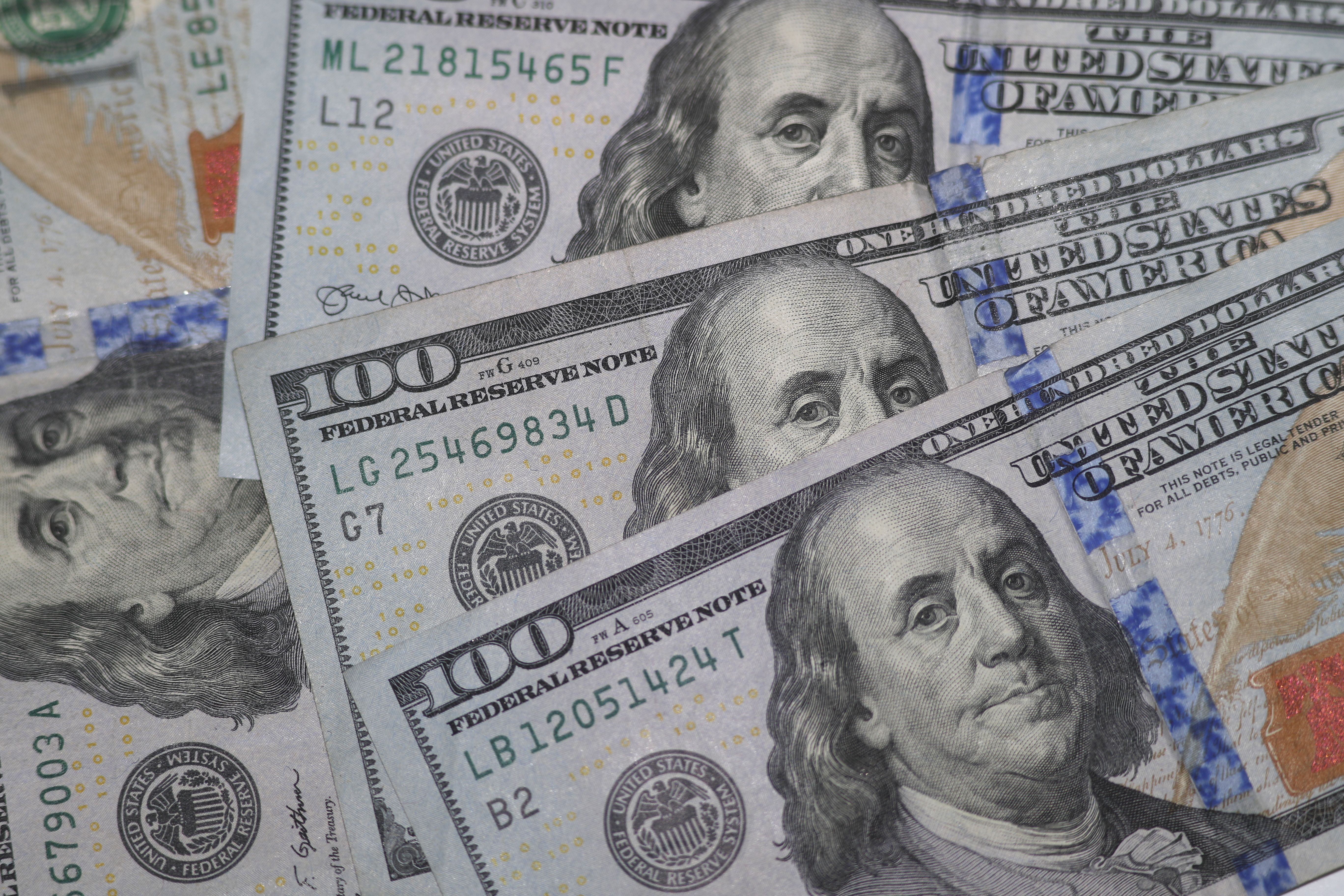
The Federal Reserve raised interest rates this week for the first time this year, according to a report published by NPR News. The move marks a shift in the central bank's monetary policy stance after holding rates steady for months, the outlet said.
In an explainer accompanying its report, NPR News sought to answer basic questions about how the Fed's interest rate mechanism works and what it means for consumers, businesses and the broader economy.
According to NPR News, the Fed's benchmark rate — often referred to as the federal funds rate — is the interest rate banks charge one another for short-term overnight loans. Changes to this rate influence, though do not directly set, the rates that consumers and businesses see on mortgages, credit cards, auto loans and savings accounts, the outlet reported.
NPR News noted that when the Fed raises rates, borrowing generally becomes more expensive, which can slow spending and investment and help temper inflation. Conversely, lower rates tend to make borrowing cheaper, encouraging spending but potentially fueling price increases, the report said.
The Fed adjusts rates through its rate-setting body, the Federal Open Market Committee, which meets periodically to assess economic conditions such as inflation, employment and growth before deciding whether to raise, lower or hold rates steady, according to the NPR News report.
NPR News said this week's increase — the first of 2026 — reflects the central bank's ongoing effort to balance its dual mandate of controlling inflation while supporting maximum employment. The outlet did not specify the exact size of the rate increase or the new target range in the excerpt reviewed.
The Fed's decisions are closely watched by financial markets, businesses and households, as changes in borrowing costs can affect everything from home purchases to corporate expansion plans, NPR News reported.
المصادر
يلخّص EGazette تقارير من مصادر متعددة؛ اتبع الروابط للاطلاع على الأصل.
مقالات ذات صلة
الاحتياطي الفيدرالي يرفع أسعار الفائدة للمرة الأولى منذ أكثر من ثلاث سنوات وسط استمرار التضخم
البنك المركزي يرفع السعر الأساسي بمقدار 25 نقطة أساس ليصل إلى نطاق 3.75%-4% بقرار إجماعي، وفقاً لوكالة الأناضول.
بنك اليابان يرفع أسعار الفائدة إلى أعلى مستوى منذ 31 عاماً، مستشهداً بمخاوف التضخم
صوت مجلس السياسة النقدية للبنك بأغلبية 7-2 لرفع الأسعار، مع معارضة عضوين للقرار، وفقاً لـ CNBC.

الاحتياطي الفيدرالي الأمريكي يرفع أسعار الفائدة وسط انتقادات حادة من ترامب
قرار الاحتياطي الفيدرالي برفع أسعار الفائدة للمرة الأولى منذ عام 2023 أثار ردود فعل فورية من الرئيس ترامب، بينما يدافع رئيس الاحتياطي كيفن وارش عن استقلالية البنك المركزي

انخفاض مؤشر داو جونز 600 نقطة بعد رفع الاحتياطي الفيدرالي الفائدة لأول مرة منذ ثلاث سنوات، وتعليقات وارش تزيد القلق من التضخم
انهارت الأسهم الأمريكية يوم الأربعاء بعد إعلان الاحتياطي الفيدرالي عن أول رفع لأسعار الفائدة منذ ثلاث سنوات، وزادت تعليقات كيفن وارش بشأن التضخم من قلق المستثمرين، وفقاً لـ CNBC.
الاحتياطي الفيدرالي يرفع توقعات التضخم وينخفض تنبؤاته بالبطالة
قام الاحتياطي الفيدرالي بمراجعة توقعاته الاقتصادية برفع نظرته للتضخم لعام 2026 مع خفض توقعات البطالة، وفقاً لوكالة الأناضول.
وارش يرجع رفع أسعار الفائدة للاقتصاد القوي والتضخم المستمر والمخاطر الجيوسياسية
يشير المحلل كيفن وارش إلى الضغوط السعرية المستمرة وعدم اليقين العالمي باعتبارهما من المحركات الرئيسية، بينما تقول رئيسة الاحتياطي الفيدرالي إن التضخم ظل "مرتفعاً جداً" لمدة "طويلة جداً"
Comments
Loading comments…