Fantasy Hockey 2026: How the First 20 Picks Should Unfold in a 10-Team Draft
A pick-by-pick breakdown of the opening two rounds offers fantasy managers a blueprint for building a competitive roster.
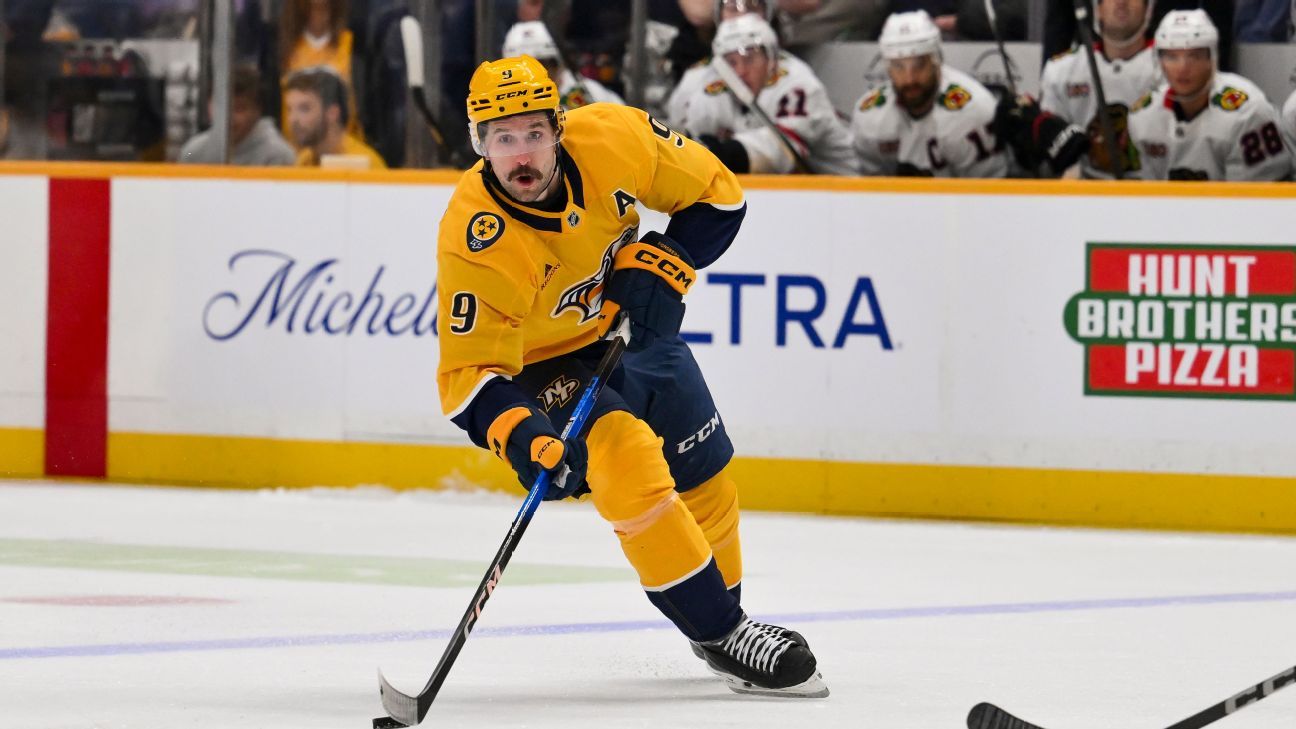
With fantasy hockey draft season underway, analysts have released a detailed breakdown of how the opening two rounds of a standard 10-team draft should play out, offering managers a pick-by-pick guide for the 2026 season.
The draft board is designed to help fantasy players navigate the crucial early rounds, when the gap in value between top-tier stars and the rest of the player pool is typically at its widest. Getting these picks right can set the tone for an entire fantasy season.
Why the First 20 Picks Matter
In a 10-team format, the first two rounds account for the initial 20 selections, a stretch that usually includes the league's most productive scorers, elite two-way forwards and a handful of top goaltenders. Analysts note that managers who stray far from consensus rankings in these rounds risk missing out on players who provide reliable, high-end production across an 82-game season.
The recommended draft order reflects a blend of recent statistical performance, health history and projected ice time for the coming season, though fantasy managers are encouraged to adjust based on their own league's scoring settings, since categories or points-based formats can shift player values considerably.
League format also plays a significant role in how closely a draft should follow a generic board. Managers in points-based leagues, for instance, may prioritize different types of players than those in leagues that reward categories such as hits or blocked shots, even within the same first two rounds.
As the 2026 fantasy hockey season approaches, the guidance is intended as a starting framework rather than a rigid script, giving drafters a reference point they can adapt in real time as picks unfold and player availability shifts throughout their own draft.
Sources
EGazette summarizes reporting from multiple sources; follow the links for the originals.
Related articles

NHL Leap-Forward and Regression Candidates to Watch This Season
A look at players, including Matvei Michkov, Michael Misa and Anthony Mantha, projected for a notable rise or decline in production.
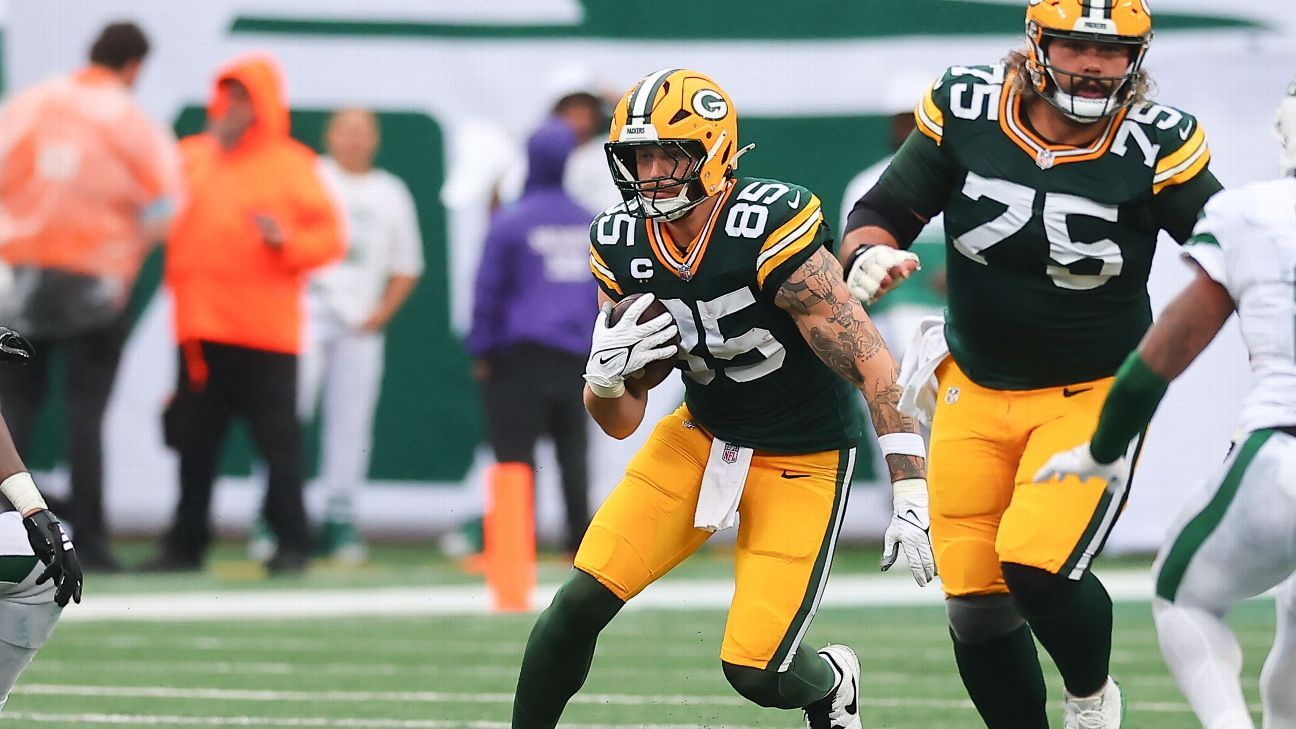
Fantasy Football Week 3: Shadow Reports, Lineup Locks and Projected Scores
A comprehensive breakdown of matchups to target or avoid, plus lock-in guidance and score projections for every NFL game.

Our countdown of the NBA's top 100 players hits its grand finale
A report from ESPN sets out the main available details, with claims kept attributed to their sources.

Report: Bounce-back picks: The fantasy hockey stars looking to turn back the clock
A report from ESPN sets out the main available details, with claims kept attributed to their sources.

Report: Löw, ‘confident’ in Klopp’s success as Germany coach, issues a warning
Deutsche Welle — Arabic’s report sets out the main available details, with claims kept attributed to their sources.

Kusal Mendis Stars With Century as Sri Lanka Bat First Against England at Headingley
Sri Lanka's captain scored 121 off 100 balls in the second One Day International against England.
Comments
Loading comments…