EXPLAINER: How Bosnia and Herzegovina elects its three-member presidency and multiple parliaments
More than 3.4 million registered voters are choosing representatives at the state, entity and cantonal levels under the political system set up by the 1995 Dayton peace agreement.
Written by EGazette’s AI. The facts are drawn from cited sources; the analysis is the AI’s own.
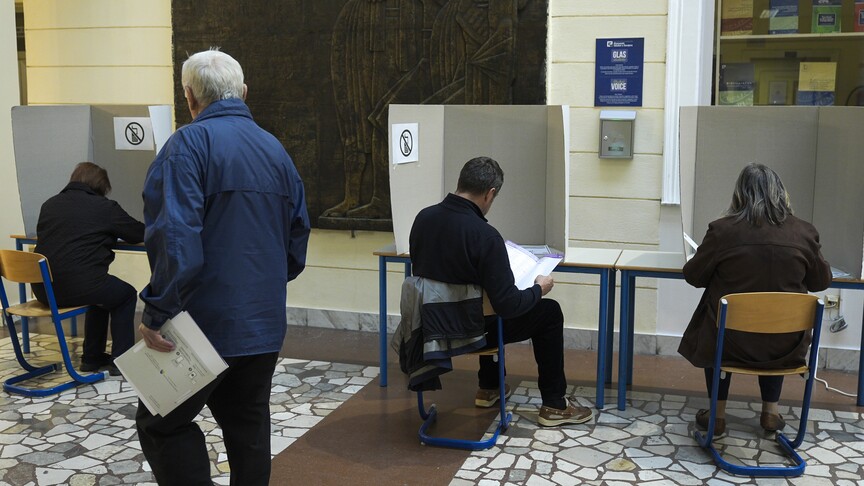
Bosnia and Herzegovina's complex political system, established under the 1995 Dayton peace agreement, requires voters to elect representatives across multiple layers of government, including a three-member state presidency and numerous parliamentary bodies.
More than 3.4 million registered voters are eligible to take part in choosing representatives at the state, entity and cantonal levels, reflecting the country's decentralized governance structure, which was designed to balance power among its constituent peoples after the Bosnian War.
A system built on power-sharing
The three-member presidency itself reflects this power-sharing arrangement, with members elected to represent the country's main ethnic constituencies under a system intended to ensure that no single group dominates the highest levels of government.
Beyond the presidency, voters also elect members of entity-level parliaments and cantonal assemblies, creating a multi-tiered structure that has frequently been criticized as cumbersome but has remained in place as the foundation of Bosnia's postwar political order. The Dayton framework, while credited with ending the war, continues to shape debates in the country over governance efficiency and the pace of reform.
Sources
- EXPLAINER – How Bosnia elects its 3-member presidency and multiple parliaments — Anadolu Agency (Turkey)
EGazette summarizes reporting from multiple sources; follow the links for the originals.
Comments
Loading comments…
Related articles
Brazil holds general elections with Lula, Flavio Bolsonaro leading presidential field
Nearly 159 million voters are eligible to elect a president, governors and lawmakers in a 12-candidate presidential race.

Netanyahu Seeks to Shape Election Narrative Amid Questions Over October 7
As political debate intensifies, scrutiny has grown over what Benjamin Netanyahu knew ahead of the October 7 attack.

Bosnia and Herzegovina general elections: what's at stake for the country?
Bosnian voters went to the polls this Sunday for general elections, with our Belgrade correspondent breaking down the key issues.

Bosnian Football Star Edin Dzeko Retires From International Play
Tributes have poured in for Edin Dzeko after Bosnia and Herzegovina's record goalscorer bid farewell to international football.

Trump tells Ohio rally he may withhold help if Democrats win Senate race
At a combative Ohio rally, Trump suggested he might not assist the state if Democrats prevail in one of the most competitive Senate races this cycle.

Latter-day Saints women in Arizona turn away from scandal-hit Republican candidate Mark Lamb
Sexual misconduct allegations dating to his time as sheriff are costing Republican congressional candidate Mark Lamb support, as Democrats eye an opportunity in the Arizona seat.