Experts Warn Conflicts and Extreme Weather Are Straining Global Food Security
Analysts say disrupted shipping and supply routes, more than production shortfalls, are the main driver of rising food insecurity as forecasters warn of a possible super El Niño.

Extreme weather patterns and ongoing armed conflicts are threatening food production and trade routes worldwide, according to a report from France 24's People & Profit program.
Meteorologists are forecasting the possibility of a super El Niño weather event, which experts say could further disrupt planting seasons and harvests in multiple regions, potentially pushing millions more people into acute food insecurity.
The report noted that ongoing conflicts involving Iran and the war in Ukraine are disrupting shipping lanes and supply chains that are critical to global food distribution.
Shawn Arita, an Associate Research Professor at North Dakota State University, said that transport disruptions, rather than a lack of food supply, are the more pressing concern. "The food does exist, the availability does exist. The main issue currently speaking is that the movement is broken," Arita said.
The comments suggest that logistical breakdowns—rather than production shortages—are increasingly seen by some analysts as the central bottleneck in addressing global hunger, even as climate volatility adds additional uncertainty to agricultural output.
Sources
- Food security under pressure from conflicts, extreme weather — France 24 — English
EGazette summarizes reporting from multiple sources; follow the links for the originals.
Related articles

WTO Chief Warns Strait of Hormuz Disruptions Pose Worst Threat to Global Trade in 80 Years
Director-General says prolonged blockades or bottlenecks in the key waterway could push up prices, even as global trade shows resilience
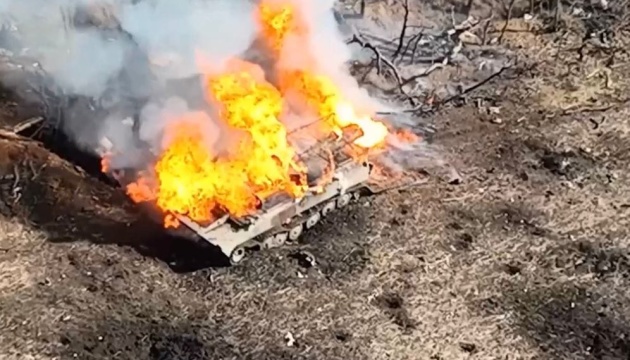
Russia's war casualty toll in Ukraine rises by 1,560 in past day, Ukrainian officials say
Ukraine's military claims Russian forces have suffered approximately 1.52 million personnel losses since the February 2022 invasion began.

Cultural Heritage Sites Face Destruction Amid Global Conflicts, Report Says
BBC News highlights efforts by individuals and groups seeking accountability for the loss of cultural monuments in war zones worldwide.
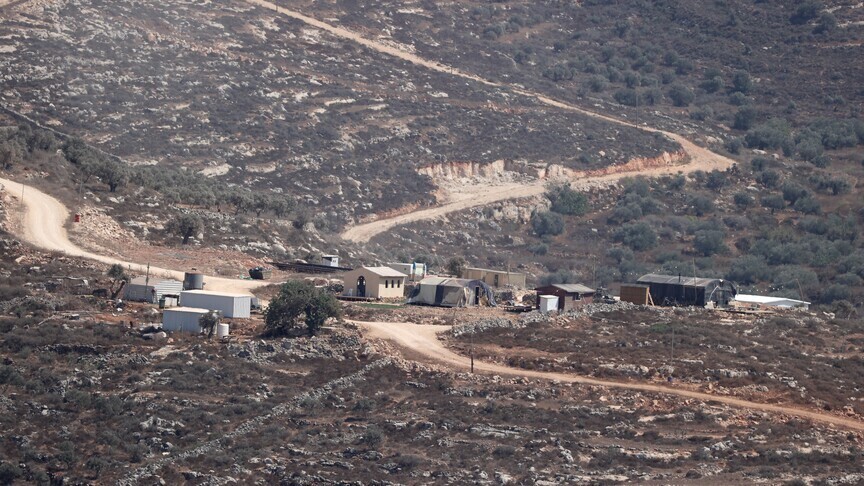
Israeli forces carry out 14 attacks in West Bank, Palestinian officials say
Palestinian authorities report incidents across multiple West Bank cities involving property damage and livestock seizure.

Gaza Students Persist in Tech Studies Despite Equipment Shortages, Report Says
Al Jazeera reports that students in Gaza are continuing to pursue technology education even as the territory's IT sector remains crippled by years of conflict.

Russian drone strikes food warehouses in Kryvyi Rih, sparking fire
A Russian drone attack on food storage facilities in the Ukrainian city has caused a fire, according to local reports.
Comments
Loading comments…