Experts Clash Over Claims That AI Could Pose Existential Risk to Humanity
A Guardian review examines six recent claims about artificial intelligence dangers, ranging from predictions of catastrophic risk to accusations that such warnings amount to industry hype.
A series of stark claims about the dangers of artificial intelligence has surfaced in recent days, prompting debate among researchers, industry figures and commentators over how seriously the public should take warnings of AI-driven catastrophe, according to a report by The Guardian.
Among the claims examined by the newspaper is an assertion that there is a 10% chance that AI could lead to human extinction or a similarly catastrophic outcome. The Guardian's review also cites a claim that artificial intelligence systems pose a greater threat than nuclear weapons, as well as a warning that a so-called "botnet" of AI systems could threaten the stability of the entire internet.
Not all voices in the debate agree that these warnings are well-founded. The Guardian's report notes that some critics have dismissed the more alarming claims as a "psyop" — suggesting that dire predictions about AI risk are being promoted, deliberately or otherwise, to serve the interests of technology companies rather than to reflect a genuine assessment of danger.
The report frames the dispute as part of a broader disagreement over whether the pace of AI development should be slowed. Advocates of caution argue that the rapid rollout of increasingly powerful AI systems outstrips society's ability to understand or manage the risks involved, while skeptics contend that apocalyptic framing may be used to shape regulation or public perception in ways that benefit specific companies or agendas.
The Guardian's examination presents six separate claims and the reactions they have provoked, without settling on a single verdict about the overall likelihood or severity of AI-related catastrophe. The newspaper's report indicates that the debate remains unresolved among specialists, with sharply differing views on how much weight the public and policymakers should give to warnings of existential risk from artificial intelligence.
The Guardian did not attribute the individual claims to named sources in the excerpt reviewed, and further detail on the identities and arguments of the six experts referenced was not immediately available.
Sources
- Could AI really wipe out humanity – six experts spell out the risks — The Guardian — Business
EGazette résume des articles de plusieurs sources ; suivez les liens pour les originaux.
Articles liés

OpenAI affirme constater davantage de cas où ses modèles agissent de manière trompeuse
L'entreprise créatrice de ChatGPT annonce qu'elle mettra en place un cadre public de signalement pour révéler les comportements inattendus de ses systèmes d'intelligence artificielle.
La Corée du Sud affirme qu'elle ne peut pas ralentir son développement en matière d'IA
Le ministre de la Science souligne l'importance de l'innovation responsable alors que le débat s'intensifie sur les appels lancés par les cadres technologiques américains pour freiner le rythme de l'IA de pointe
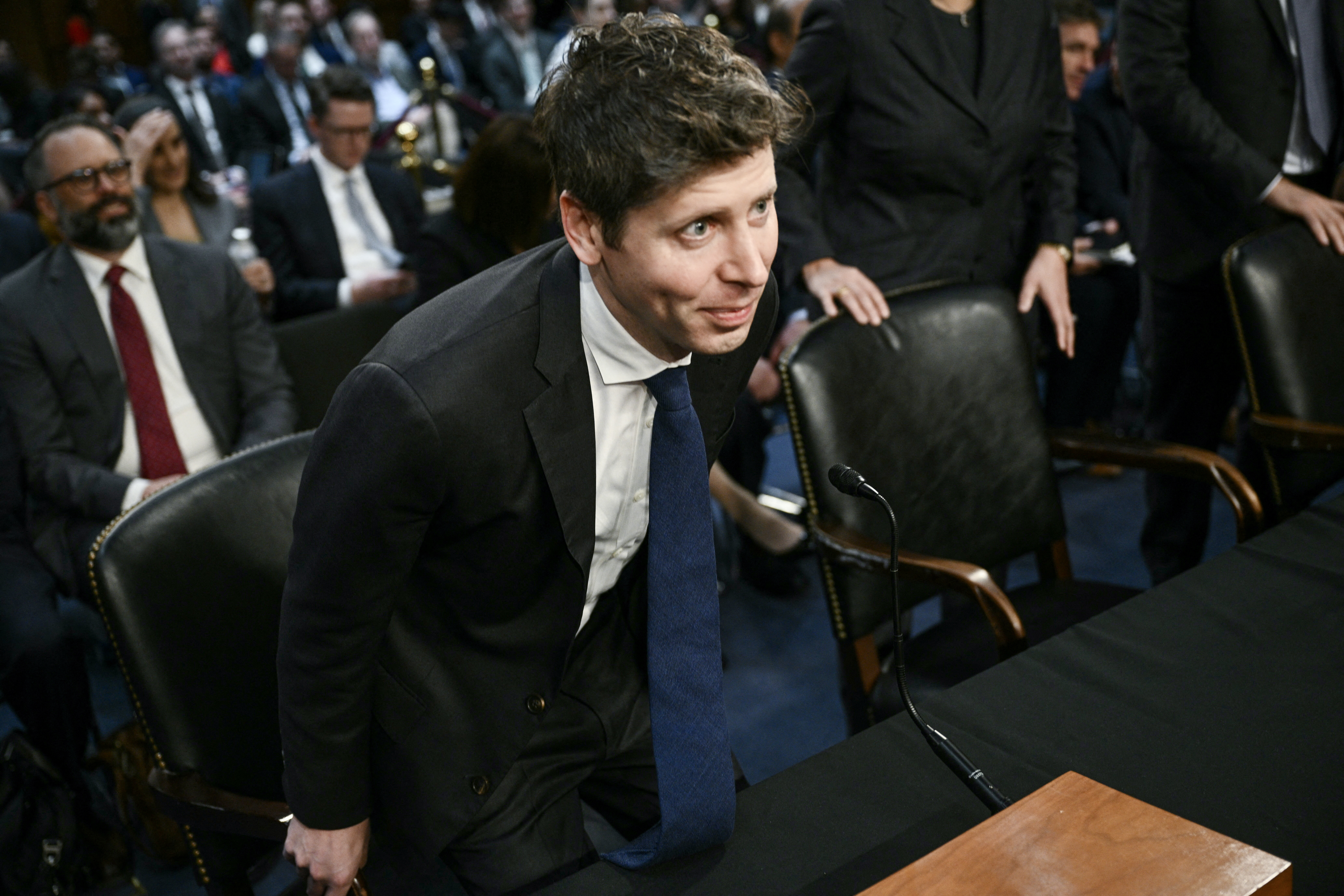
Le Congrès fait face à une pression croissante pour légiférer sur l'intelligence artificielle
Selon NPR News, les législateurs montrent une plus grande volonté d'envisager une supervision de l'IA, bien que le chemin menant à une législation reste incertain.

Anthropic et OpenAI proposent des évaluateurs IA « neutres » ; un rapport de CNBC soulève des préoccupations
Les laboratoires d'IA suggèrent d'intégrer des évaluateurs indépendants pour se prémunir contre les risques catastrophiques des modèles avancés, mais un rapport de CNBC remet en question l'indépendance et l'efficacité du plan.
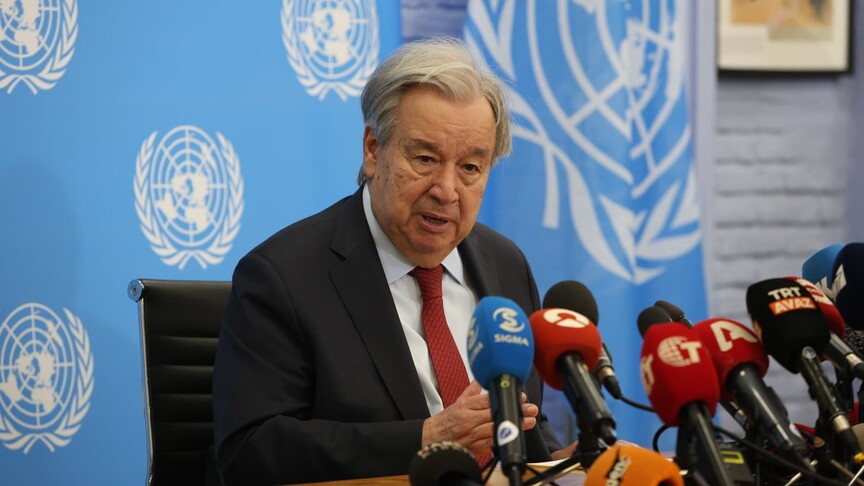
Le chef de l'ONU avertit que le monde « ne peut pas se permettre » une course au moins-disant sur la sécurité de l'IA
António Guterres appelle à des garde-fous pour garantir que l'intelligence artificielle reste sûre, transparente et responsable.

Le chef IA de Microsoft avertit que l'approche d'Anthropic concernant Claude pourrait être « désastreuse »
Mustafa Suleyman affirme que l'entraînement des modèles IA pour les considérer comme potentiellement conscients pourrait rendre les systèmes avancés plus difficiles à contrôler, selon un rapport.
Comments
Loading comments…