Exiled Burkinabe Editor Assesses Four Years of Ibrahim Traoré's Rule
On the anniversary of the coup that brought him to power, a former press association head living in exile says silencing critics is not the way to free Burkina Faso.
Written by EGazette’s AI. The facts are drawn from cited sources; the analysis is the AI’s own.
September 30, 2026 marks four years since Captain Ibrahim Traoré seized power in Ouagadougou, in a coup launched to confront a jihadist insurgency that at the time occupied nearly half of Burkina Faso's territory. RFI marked the anniversary with an interview assessing his record.
Inoussa Ouédraogo, who now lives in exile, is the former director of publication of the weekly newspaper Bendré and a former president of the Society of Private Press Editors of Burkina Faso. Speaking to RFI, he offered a critical assessment of Traoré's four years in power, arguing that restricting the country's own press and silencing dissent is not a path to liberating Burkina Faso from the threats it faces.
A Contested Record
Traoré came to power promising to reverse territorial losses to jihadist groups and restore state authority across the country. His government has since taken an increasingly assertive stance on sovereignty, including tighter controls over media and public criticism, according to Ouédraogo's account.
Ouédraogo's position, shaped by his own experience of exile, reflects concerns voiced by some Burkinabe journalists and civil society figures about press freedom under the current government, even as officials maintain that security measures are necessary given the ongoing insurgent threat.
The interview offers one perspective within a broader, unsettled debate inside and outside Burkina Faso over how to weigh security gains against restrictions on public expression under Traoré's rule.
Sources
EGazette summarizes reporting from multiple sources; follow the links for the originals.
Comments
Loading comments…
Related articles
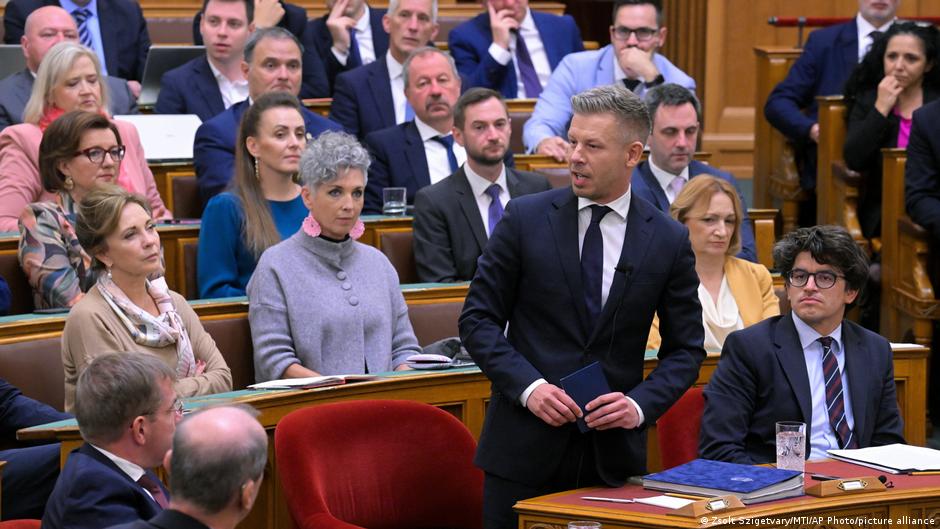
Hungary Sees Wave of Arrests as Government Moves Against Orban-Era Networks
Prime Minister Peter Magyar's pledge to dismantle networks built under his predecessor Viktor Orban is being tested by a string of high-profile arrests and public calls for faster accountability.

Russian Official Says Turnout Held Up in Occupied Ukrainian Regions Despite 'Provocations'
Federation Council speaker Valentina Matviyenko said residents in Russian-controlled parts of Ukraine turned out to vote in a recent poll, describing the result as a show of support.

South Africa's Ramaphosa Announces New Measures to Combat Femicide
President Cyril Ramaphosa has unveiled new steps aimed at tackling femicide and gender-based violence following recent killings.

Democrats Bet on Anti-Trump Sentiment to Boost Youth Turnout in Midterms
Strategist Celinda Lake says Democrats are counting on anger toward President Trump to overcome young voters' historically low midterm turnout.
French Public Workers Strike Over Pay as Student Protests Turn Violent
Tens of thousands marched nationwide in France over wages as police arrested 440 students following clashes at schools.
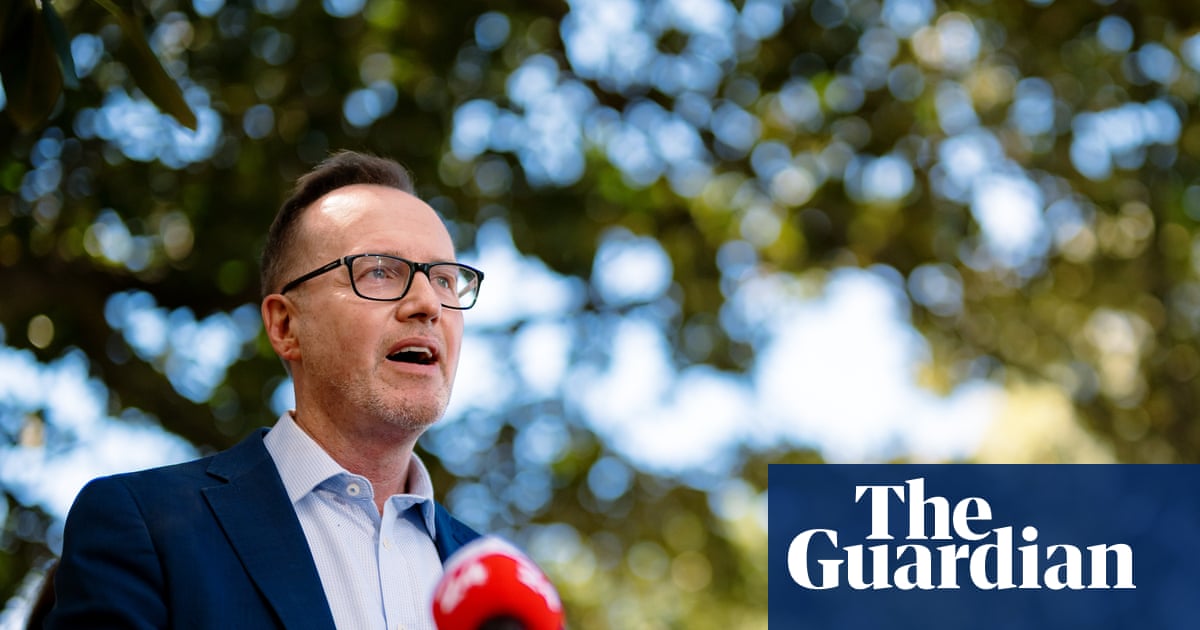
New Greens Leader David Shoebridge Says Party Aims to 'Replace Labor'
David Shoebridge, elected as the Australian Greens' new federal leader, said in his first remarks that the party intends to challenge Labor directly.