Europe will go it alone on Venus mission following NASA yanks radar instrument
A report from Ars Technica sets out the main available details, with claims kept attributed to their sources.
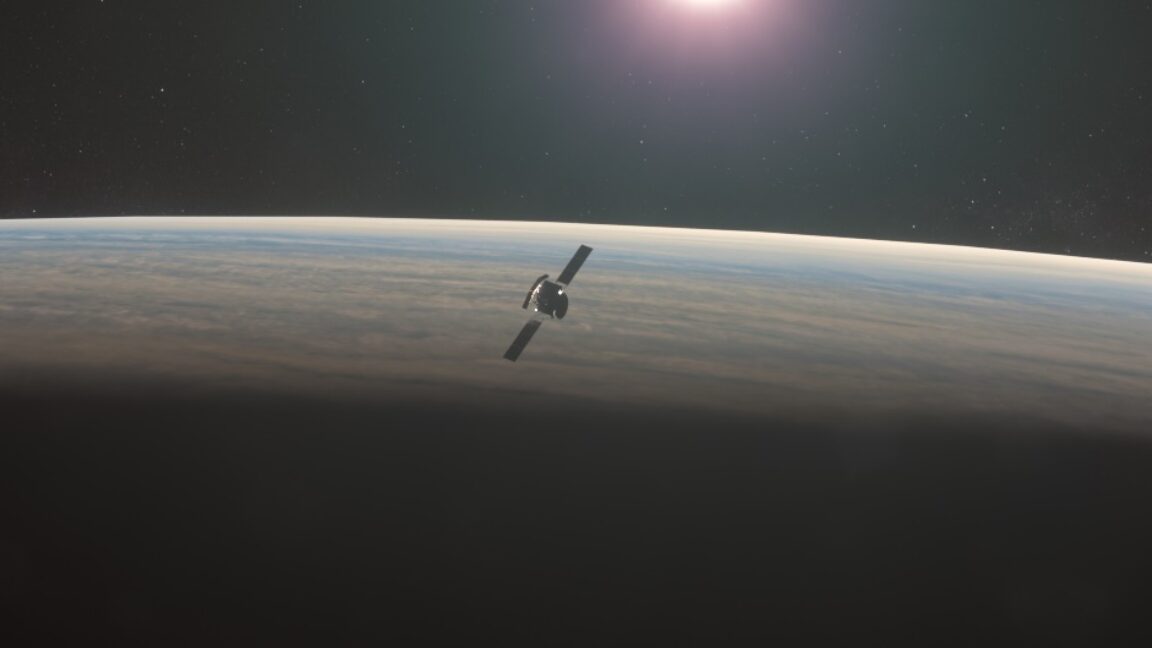
Ars Technica has covered a development concerning “Europe will go it alone on Venus mission following NASA yanks radar instrument,” with the available account limited to the facts included in the supplied text.
The available account reports that europe is looking inward, and perhaps to China, as the White House tries to cancel some NASA partnerships.
Any statements, estimates or characterisations remain attributed to the people or organisations identified by the source. The excerpt alone does not provide a complete documentary record or necessarily include responses from every party involved.
Official statements or subsequent reporting may add context as the story develops. For now, this account is confined to information directly supported by the provided headline and excerpt.
Sources
EGazette summarizes reporting from multiple sources; follow the links for the originals.
Related articles

Update: Space: Europe urged to find its path, from crewed spaceflight to communications
A report from France 24 — English sets out the main available details, with claims kept attributed to their sources.

Update: REPLAY: Macron joins Sophie Adenot live from the ISS at Paris space summit
A report from France 24 — English sets out the main available details, with claims kept attributed to their sources.
Update: Indonesian volcano erupts with enough force to see from space
A report from Scientific American sets out the main available details, with claims kept attributed to their sources.
The Pacific Ocean has seen an especially active hurricane season so far, while the Atlantic has had barely a whimper of a storm
A report from Scientific American sets out the main available details, with claims kept attributed to their sources.

Update: El Niño likely to cause wetter and warmer-than-normal autumn
A report from BBC Science & Environment sets out the main available details, with claims kept attributed to their sources.
Update: Scientists say August was Earth's hottest month they've measured
A report from NPR News sets out the main available details, with claims kept attributed to their sources.
Comments
Loading comments…