EU Weighs New Arctic Strategy Amid Russian Moves and Trump's Greenland Remarks
Concerns over Russian activity in the north, statements by US President Donald Trump regarding Greenland, and competition for critical raw materials have pushed Arctic policy up the European Union's agenda, according to Deutsche Welle.
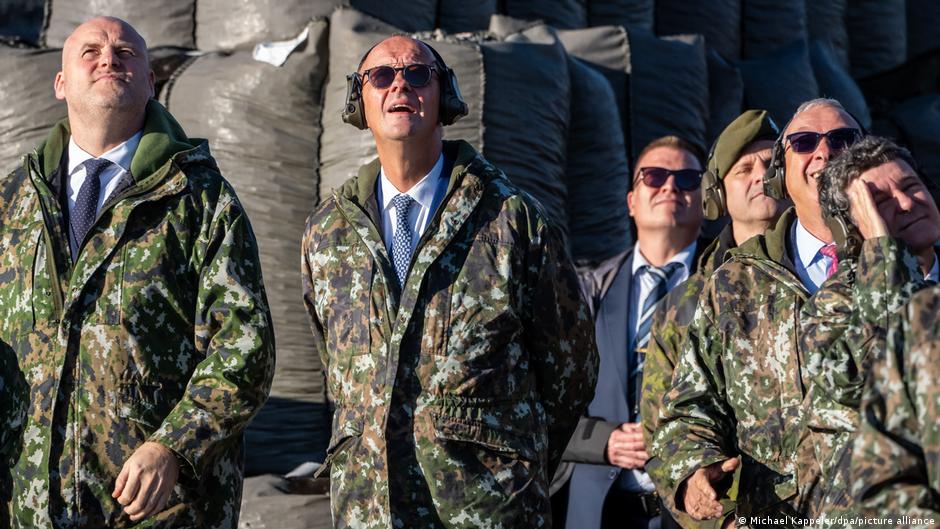
The Arctic region is receiving renewed attention from European Union policymakers as they consider updating the bloc's strategy for the area, according to a report from Deutsche Welle (DW).
DW reported that several factors are driving this shift, including what it described as Russian aggression, statements by US President Donald Trump regarding Greenland, and an intensifying international race to secure critical raw materials found in Arctic territories.
According to the report, these developments have collectively elevated the Arctic's importance within European policy discussions, prompting officials to reassess how the EU engages with the region.
The Arctic has become a focal point of geopolitical competition in recent years, with global powers showing increased interest in the region's shipping routes, energy resources, and mineral deposits as climate change alters access to previously inaccessible areas.
DW's report did not provide further specifics on the exact content of any forthcoming EU strategy or a timeline for its development. The publication is tracking the story as European institutions continue to evaluate their approach to Arctic affairs.
Sources
- Arctic power plays: EU searches for a new strategy — Deutsche Welle — English
EGazette summarizes reporting from multiple sources; follow the links for the originals.
Related articles
EU Moves to Craft Arctic Strategy Amid Rising Geopolitical Tensions
Concerns over Russian activity, US rhetoric on Greenland, and competition for critical raw materials are elevating the Arctic on the European Union's policy agenda, according to Deutsche Welle.

Two civilians killed in Ukrainian army attacks on DPR, Russian military says
Russia's defense ministry reports 31 attacks by Ukrainian forces on the Donetsk People's Republic in the past 24 hours.
Ukraine, Russia and US Said to Prepare New Round of Mediated Talks
Officials in Kyiv and Moscow indicate trilateral discussions could resume in October, though expectations for a breakthrough remain low.
Trump Claims Russia and Ukraine Agreed to Halt Energy Attacks
Trump said both nations have agreed to stop striking energy infrastructure, though Russia and Ukraine offered no immediate confirmation.
Putin Congratulates South Ossetian President on Republic Day, Pledges Continued Support
Russian president says Moscow will continue assisting South Ossetia's authorities and people on key challenges, according to TASS
Russian forces strike warehouse in Kyiv region, claims TASS
Russia says it hit a warehouse storing drone components in overnight strikes on Ukrainian logistics facilities.
Comments
Loading comments…