EU's Proposal to Give Canada Associate Status Raises Questions About UK's Post-Brexit Position
European Commission President Ursula von der Leyen has floated associate membership for Canada as Ottawa seeks closer ties with EU allies, prompting comparisons with Britain's own relationship with Brussels.
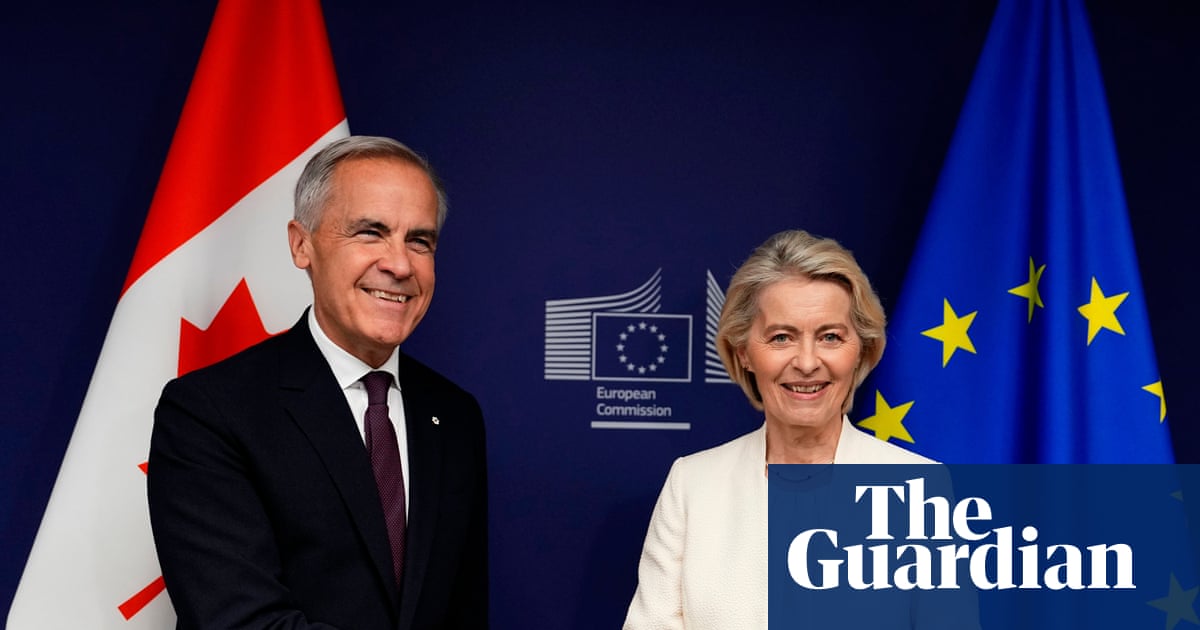
European Commission President Ursula von der Leyen has proposed that Canada could become an associate member of the European Union, according to a report by The Guardian. The proposal was reportedly unveiled in Strasbourg on Wednesday as part of efforts to deepen ties in what von der Leyen described as an "openly hostile world."
The report states that Canadian Prime Minister Mark Carney has been advocating for closer alignment with so-called "middle powers" since January, a stance attributed to concerns over what the article characterizes as unpredictability emanating from Washington.
According to The Guardian, the significance of the announcement lies partly in its origin: the initiative reportedly came from Brussels rather than from Ottawa, raising questions about the EU's broader strategic outreach to non-member states.
The article suggests the development carries particular relevance for the United Kingdom, which left the EU following the 2016 Brexit referendum. The piece frames the EU's overture to Canada as a potential point of comparison for Britain, another so-called middle power navigating its relationship with Brussels outside of formal membership.
Further details regarding the specific terms of the proposed associate membership, or any response from Canadian officials, were not included in the available excerpt of the report.
Sources
- Is EU’s offer to Canada a blueprint for Britain – or a reminder it is out in the cold? — The Guardian — World
EGazette summarizes reporting from multiple sources; follow the links for the originals.
Related articles

Thousands of Eligible Families Missing Out on NHS Food Support, Figures Show
New data cited by the BBC indicates that as few as 64% of families entitled to NHS money for milk, fruit and vegetables are actually claiming it.
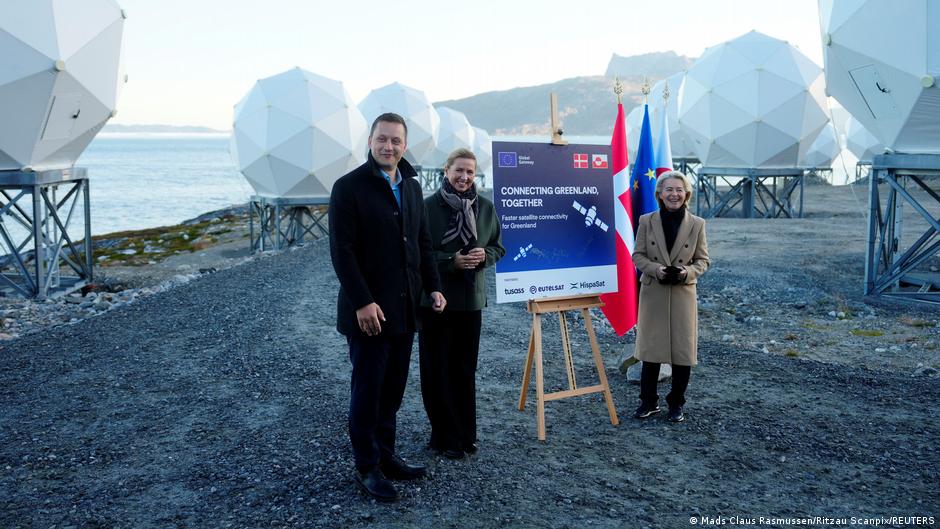
Denmark Keeps Details of Anticipated Greenland Agreement with Washington Under Wraps
Copenhagen refuses to disclose agreement terms with the United States, amid diverging portrayals by both parties
Australia appoints new diplomats to key posts in Cairo, Port Moresby, Dili, and New York
Foreign minister Penny Wong announces diplomatic appointments as part of efforts to strengthen Australia's international engagement.
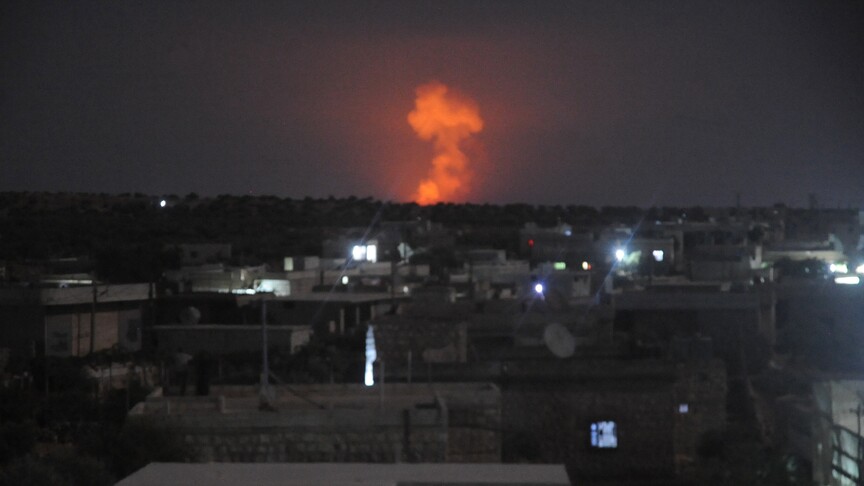
Powerful Explosions Reported in Syria's Aleppo Countryside
Blasts were heard in the town of Al-Eis, with local sources attributing them to a Defense Ministry ammunition depot, according to state media.

Six Pakistani soldiers, including two officers, killed in clash near Afghan border
Pakistan's military announces deaths of its personnel in Hangu area of Khyber Pakhtunkhwa amid escalating border violence.

Houthis Accuse Saudi Arabia of 28 Airstrikes in 24 Hours; U.S. Intelligence Chief Visits Cairo
The Houthis reported intensive Saudi airstrikes while residents warn of a mounting food crisis in Taiz.
Comments
Loading comments…