EU Energy Ministers Warn of 'Difficult Winter' Amid Limited Reserves and High Prices
Meeting in Dublin, European Union energy ministers and commissioner Dan Jorgensen said the bloc's energy imports have cost more than 100 billion euros extra since late February, and called for greater reliance on renewables.
Rédigé par l’IA d’EGazette. Les faits proviennent de sources citées ; l’analyse est celle de l’IA.
European Union energy ministers, meeting in Dublin alongside European Commissioner for Energy Dan Jorgensen, warned that member states are heading into a "difficult winter" as energy reserves remain limited and prices stay elevated.
According to figures presented at the meeting, the EU's energy imports have cost the bloc more than 100 billion euros in additional expenses since the end of February. The ministers pointed to this sharp rise in import costs as a central concern heading into the colder months, when demand for gas and electricity typically peaks.
A push for greater independence
In response, the ministers and Commissioner Jorgensen argued for accelerating the bloc's shift toward renewable energy sources as a way of reducing dependence on imported fuel and insulating member states from further price volatility. The Dublin meeting framed increased renewable capacity as central to easing the pressure created by high import costs and constrained reserves.
The warning reflects continuing strain on European energy markets, which have faced repeated disruptions and elevated prices in recent years. The more than 100 billion euros in additional import costs cited at the meeting illustrates the scale of the financial burden the bloc has absorbed since February, though ministers did not break down the figure by country or specify which fuel types accounted for the largest share.
No specific new policy measures or funding commitments were detailed as emerging directly from the Dublin talks, with the ministers instead using the meeting to flag the scale of the challenge and reiterate the case for renewable investment as the bloc's longer-term response.
The meeting adds to a series of EU-level discussions in recent years focused on energy security, as member states have sought to diversify supply and reduce reliance on any single source of imported energy.
Sources
- Les Etats européens se préparent à un « hiver difficile » avec des réserves d’énergie limitées et des prix élevés — Le Monde — Une
EGazette résume des articles de plusieurs sources ; suivez les liens pour les originaux.
Comments
Loading comments…
Articles liés
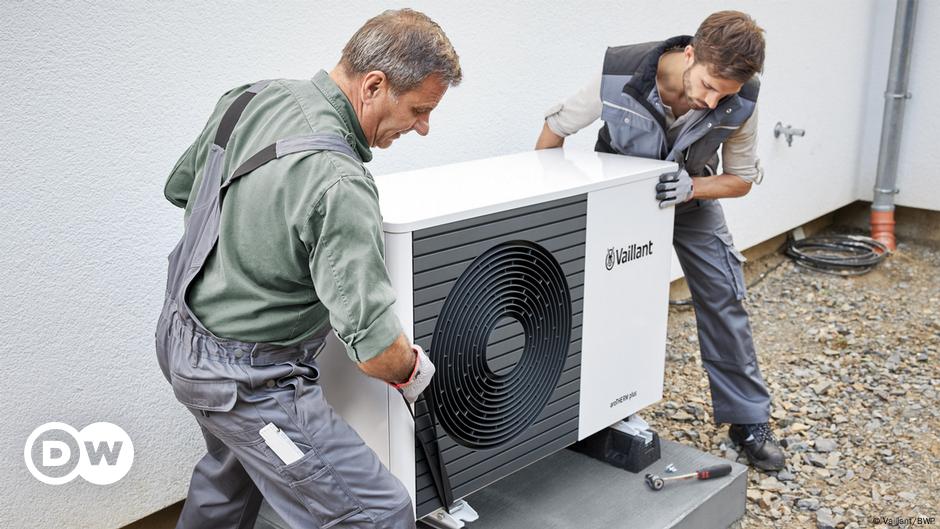
La hausse des prix de l'énergie en Allemagne relance le débat sur les pompes à chaleur
Les tensions au Moyen-Orient et les craintes de fermeture du détroit d'Ormuz font grimper les prix des carburants en Allemagne, ravivant l'intérêt pour les pompes à chaleur comme alternative de chauffage.
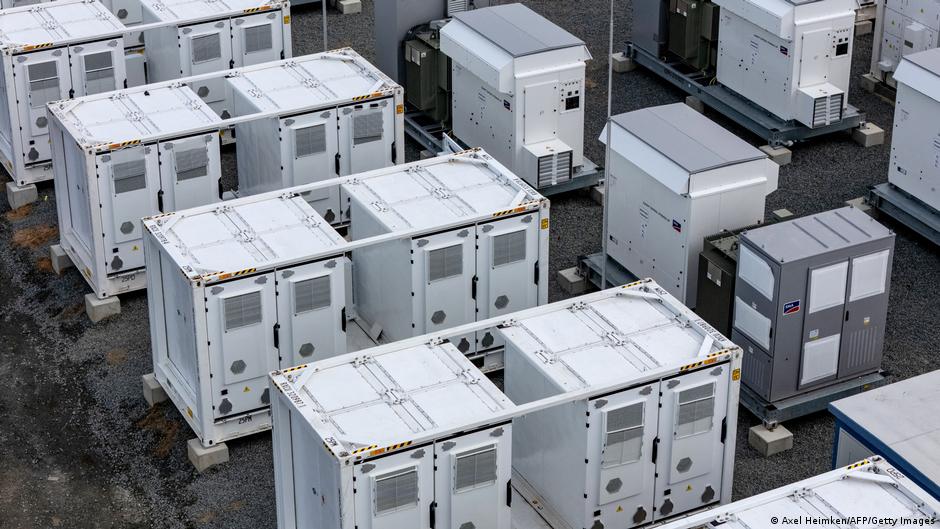
Pourquoi le déploiement du stockage d'énergie par batteries peine-t-il en Europe malgré les besoins ?
Le soleil et le vent offrent une énergie bon marché mais intermittente, et l'augmentation des capacités de stockage par batteries pourrait résoudre les problèmes de stabilité des prix et de dépendance aux combustibles fossiles.

L'envoyé russe affirme que la réaction de l'UE face à la corruption en Ukraine prouve l'implication des Européens
Rodion Miroshnik a déclaré que même les chefs d'État européens sont impliqués dans les schémas de corruption, selon un rapport de TASS.
L'UE débloque 6,6 milliards d'euros pour les membres armant l'Ukraine, alors que cinq personnes sont tuées dans des frappes sur Kiev
Les fonds remboursent les États membres ayant fourni des armes à l'Ukraine, alors que des frappes russes sur Kiev ont tué au moins cinq personnes.
US Seeks to Intervene in Elon Musk's Legal Fight With the EU Over X
Washington asked to join the case after the EU fined X €120 million in the first sanction under its Digital Services Act, according to RFI.
En bref : Climat : la Ville de Paris concrétise le « bricolage » pour adapter les écoles en urgence
Le reportage de Le Monde — Une résume les principaux éléments disponibles, en maintenant les affirmations attribuées à leurs sources.