EU Alarmed as Sales of Chinese Hybrid Cars Surge, Bypassing Tariffs on Fully Electric Models
New data shows a sharp rise in Chinese hybrid vehicle sales in the EU since Brussels imposed anti-subsidy tariffs on fully electric imports, raising concern for European carmakers.
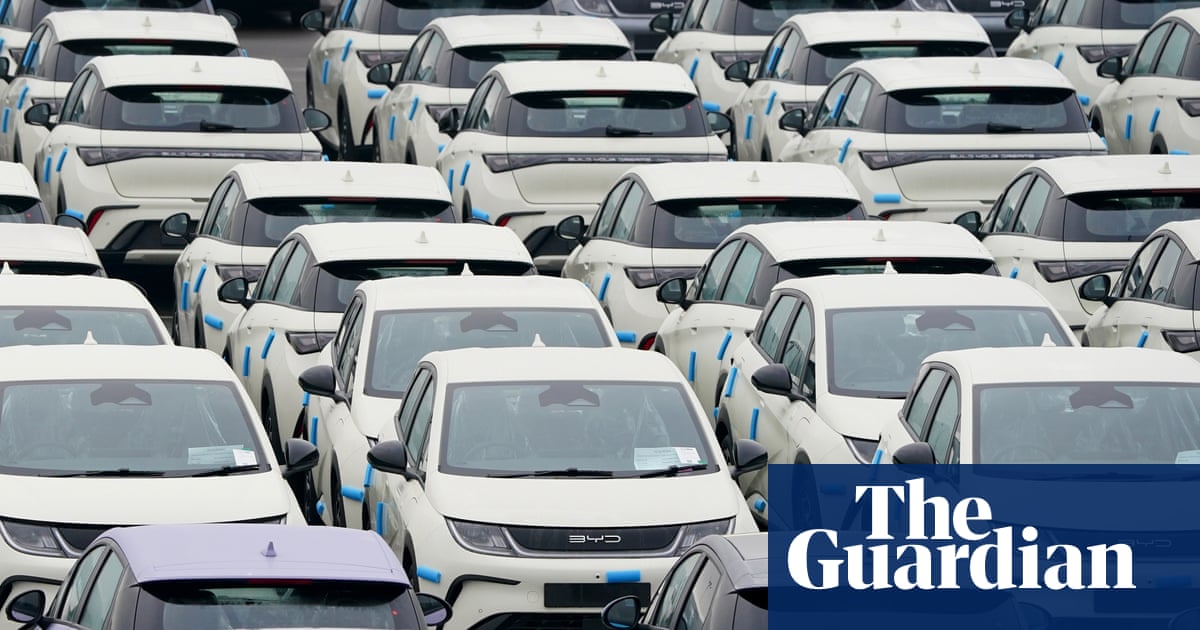
Sales of Chinese-made hybrid cars have surged in the European Union over the past four and a half years, new data shows, deepening concerns in Brussels about the future of the European automotive industry.
In 2022, just 659 fully hybrid cars made in China — vehicles in which a petrol or diesel engine charges an electric motor and battery — were sold across the EU. Sales have since climbed sharply, reaching 160,662 units in the first seven months of this year alone.
The growth has accelerated since 2024, when Brussels imposed anti-subsidy tariffs on fully electric vehicles imported from China. Because those tariffs targeted fully electric models, Chinese-made hybrids were not subject to the same duties, a gap that appears to have fuelled the shift toward hybrid imports.
The trend has added to broader concerns in Brussels over trade imbalances with China in the automotive sector. The EU imports roughly three times as many vehicles from China as the bloc exports there, underscoring the scale of the imbalance facing European manufacturers.
European policymakers have been weighing how to respond to the rise in Chinese vehicle imports more broadly, as domestic carmakers face increasing competitive pressure. It remains to be seen whether Brussels will extend tariff measures to cover hybrid vehicles as part of efforts to address the imbalance.
Sources
- Alarm bells sound in Brussels as EU sales of Chinese hybrid cars rocket — The Guardian — World
EGazette summarizes reporting from multiple sources; follow the links for the originals.
Related articles

Apple set to grow India market share with latest iPhone launch, report says
Apple's newest iPhone launch is expected to boost its market share in India, even as several incumbent Chinese smartphone brands that dominate the market struggle with sales.
Russian security service says it seized 311 kg of cocaine bound for EU
The FSB says it broke up a smuggling operation moving a large cocaine shipment from Latin America through Russia toward European markets.

Trump hosts Xi at White House for high-profile US-China summit
The two leaders met for a state summit expected to emphasize symbolism and stable ties, even as deep rivalry between Washington and Beijing continues.
China's Defense Ministry Criticizes Japan Over 'Remilitarization'
A Chinese Ministry of National Defense spokesperson said Beijing wants Japan to explain what it called accelerating remilitarization efforts.
Türkiye-US Trade Volume Projected to Reach $50 Billion by 2028
Turkey's trade minister said about 2,300 American firms have driven nearly $60 billion in historic investment as both countries work toward a $100 billion bilateral trade target.
EXPLAINER: What Will Define the Trump-Xi Washington Summit
Washington and Beijing face a test of whether a recent period of calm can translate into a more durable relationship, analysts say.
Comments
Loading comments…