Ethiopia's new rebel alliance faces an old problem: internal division
Former enemies have united against Prime Minister Abiy Ahmed, but disputes over territory, power and command could pull the coalition apart.
Written by EGazette’s AI. The facts are drawn from cited sources; the analysis is the AI’s own.
A newly formed alliance of rebel groups in Ethiopia, brought together by their shared opposition to Prime Minister Abiy Ahmed, is facing internal strains that echo challenges seen in similar coalitions in the past.
The alliance unites groups that were previously enemies, a coalition-building strategy common among opposition movements in Ethiopia's fractured political and ethnic landscape, where numerous armed factions have at various points fought both the central government and each other.
Old rivalries resurface
Despite their common cause against Abiy's government, the groups within the alliance reportedly disagree over territory, the distribution of power, and command structure, disputes that have historically undermined similar rebel coalitions in Ethiopia and the wider region.
Ethiopia has experienced significant internal conflict in recent years, including the war in the Tigray region, alongside tensions and violence in Amhara and Oromia. These conflicts have involved shifting alliances among ethnic and regional armed groups, some of which have at times cooperated and at other times fought one another.
The durability of the new alliance is likely to depend on whether its constituent groups can resolve their disagreements over how territory would be governed and how military and political power would be shared should their campaign against the government succeed.
Analysts of the region have frequently noted that opposition coalitions built primarily around a shared adversary, rather than a unified vision for governance, often struggle to hold together once that immediate pressure shifts or fades.
Sources
- Ethiopia’s new rebel alliance faces an old problem — Al Jazeera — All
EGazette summarizes reporting from multiple sources; follow the links for the originals.
Comments
Loading comments…
Related articles

Report: Ethiopia blames regional rivals as risk of conflict spillover rises
A report from Al Jazeera — All sets out the main available details, with claims kept attributed to their sources.
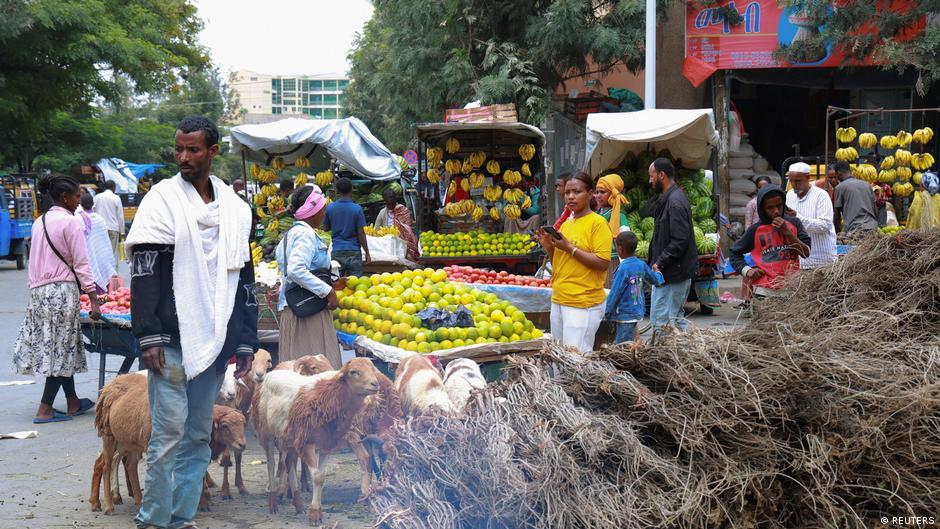
Report: Ethiopia: No regard for civilians as fighting in Ethiopia's Tigray region continues
A report from Deutsche Welle — English sets out the main available details, with claims kept attributed to their sources.
Morocco's King Appoints El Mansouri as Country's First Female Prime Minister
Fatima Ezzahra El Mansouri, whose party won last week's parliamentary elections, called the appointment a 'source of pride' for women.
Cuba Blames US Pressure for Worsening Crisis as Rubio Calls Island a 'Failed State'
Cuba's foreign minister says US measures are causing growing damage to Cuban families.

Republika Srpska to Continue Cooperating With Russia, Politician Says
Milorad Dodik said the two sides confirmed readiness to continue cooperation in the gas sector.
UN Chief Expresses Concern Over Rising Death Toll From Attacks on Russia, Guterres Says
Secretary-General Guterres condemned all attacks on civilians and civilian infrastructure amid the war in Ukraine.